Inflation 2026: Tehran Residents Struggle With Soaring Food Prices and the Rising Cost of Living

Conclusion: Tehran’s Inflation Crisis Is About More Than Prices

Iran’s inflation crisis in 2026 is the product of overlapping pressures rather than a single event.

Years of sanctions and structural economic problems created a fragile foundation.

The war has added major disruptions to trade, shipping, energy and supply chains.

The collapse in shipping activity through the Strait of Hormuz has increased uncertainty around regional trade.

The weakening rial has made imported goods more expensive.

Food prices have risen especially sharply.

Fuel-price changes risk adding to transportation costs.

Medical shortages and higher healthcare expenses have increased pressure on households.

And wages have struggled to maintain their purchasing power.

For people walking through southern Tehran, these forces are not theoretical.

They appear every time a price tag changes.

They appear when a grocery bill is higher than expected.

They appear when a family buys less food for more money.

They appear when a shopkeeper has to reprice products.

They appear when a worker realizes that a monthly salary no longer covers what it once did.

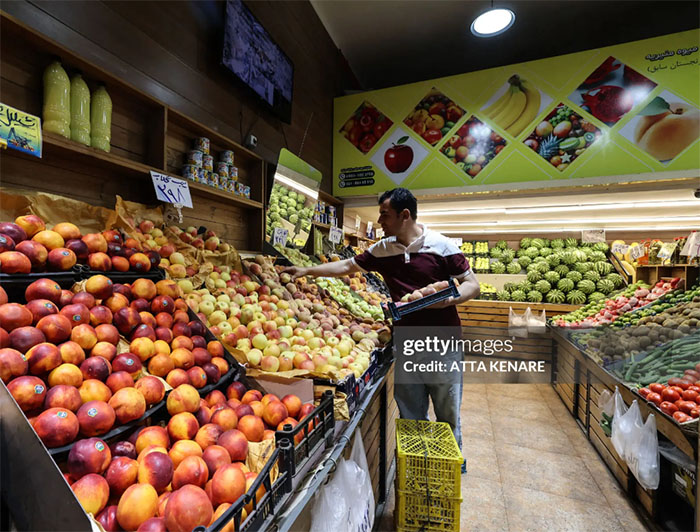
The September 15 images show people continuing with ordinary life in extraordinary circumstances.

A man arranges fruit.

Customers shop for groceries.

People walk through commercial streets.

A sports-equipment shop remains open.

On the surface, it is an ordinary day in Tehran.

But the prices behind those ordinary activities tell a different story.

Iran’s inflation crisis is ultimately a crisis of purchasing power, economic confidence and household security.

And for millions of Iranians, the most important economic question is no longer what the official inflation rate will be.

Pages ( 9 of 9 ): « Previous1 ... 78 9
September 17, 2026 | 12:39 pm