Inflation 2026: Tehran Residents Struggle With Soaring Food Prices and the Rising Cost of Living
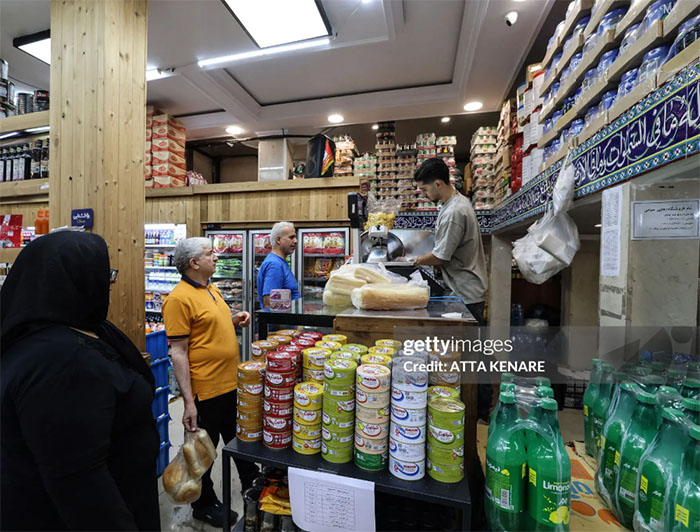
The Impact on Small Businesses
Inflation is also changing the way Iranian businesses operate.
A shopkeeper cannot simply look at today’s purchase price and today’s selling price.
The shopkeeper must think about tomorrow.
If a retailer sells an item today for a certain price but replacement inventory costs more tomorrow, the business can lose money even when the sale appears profitable.
This creates pressure to reprice goods more frequently.
It can also reduce willingness to hold inventory.
Businesses may shorten payment terms.
Suppliers may demand cash.
Customers may delay purchases.
The entire economy becomes more defensive.
For small businesses, this can be especially difficult because they generally have less access to financing and fewer ways to hedge against currency volatility.
Why Inflation Creates a Psychological Burden
Economic statistics capture prices.
They do not fully capture uncertainty.
Uncertainty changes behavior.
A person who expects prices to rise may buy something earlier than planned.
A business that expects the currency to weaken may avoid holding cash.
A family that fears future medical costs may attempt to preserve savings in foreign currency or gold.
A worker may seek a second income.
A young person may consider leaving the country.
These behaviors can reinforce economic instability.
The problem becomes a cycle:
currency weakness → higher prices → inflation expectations → defensive behavior → weaker confidence → more currency pressure.
Breaking such a cycle is difficult.
September 17, 2026 | 12:39 pm