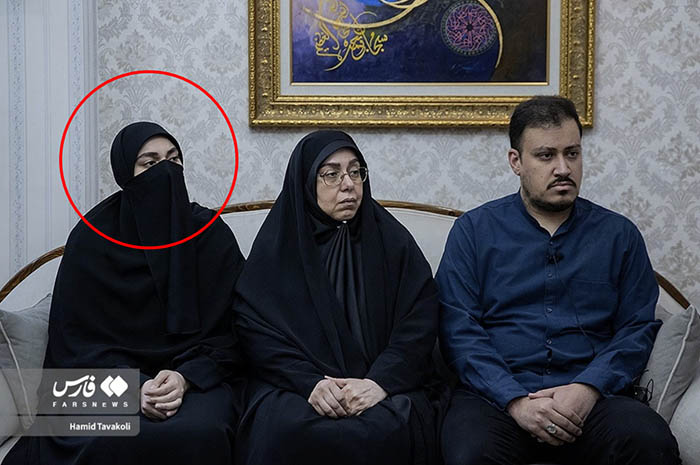
Hamid Nouri’s Cries in the House of Martyr Amirabdollahian: 5 Key Lessons in Justice
Future Directions
- Expanding Universal Jurisdiction: The concept of universal jurisdiction, which allowed Sweden to prosecute Nouri, could be expanded. More countries could adopt similar laws, ensuring that perpetrators of crimes against humanity have fewer places to hide.
- Strengthening Human Rights Advocacy: Human rights organizations can leverage this case to advocate for stronger protections and accountability measures globally. By highlighting the success of Nouri’s prosecution, they can push for international policies that support victims and deter future atrocities.
- Enhanced International Collaboration: The collaboration between Swedish authorities, international lawyers, and human rights organizations was pivotal in this case. Strengthening these networks and fostering international cooperation can enhance the ability to address and prevent human rights violations.
More stories
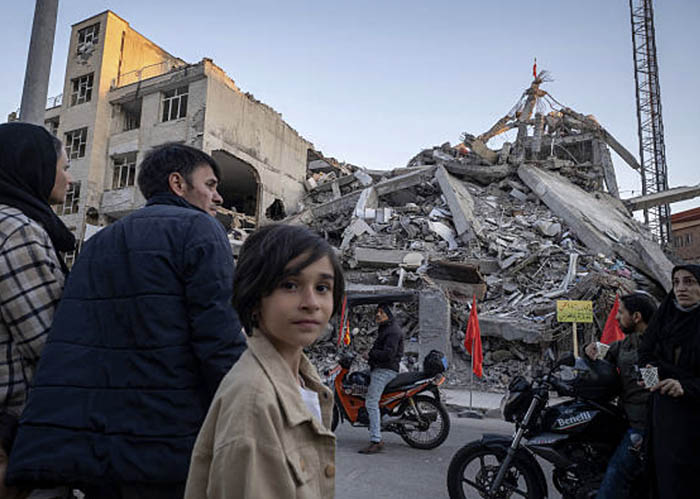
The Islamic Republic’s Instrumental Misuse of War Ruins: Propaganda
Introduction In the aftermath of the March 9 military strikes attributed to joint U.S.-Israeli operations, parts of residential Tehran were … Continue reading ➝

Iran Funeral Ceremony 2026: Rising Tensions After Killing of IRGC Intelligence Chief Majid Khademi
Introduction The funeral ceremony of Majid Khademi, the head of the Islamic Revolutionary Guard Corps (IRGC) Intelligence Organization, has become … Continue reading ➝

Tajik and Zanko Street Concert in Ferdows Garden: A Powerful Musical Tribute
Introduction On the evening of Tuesday, 18 Farvardin 1405, Ferdows Garden became the heart of an unforgettable cultural moment in … Continue reading ➝
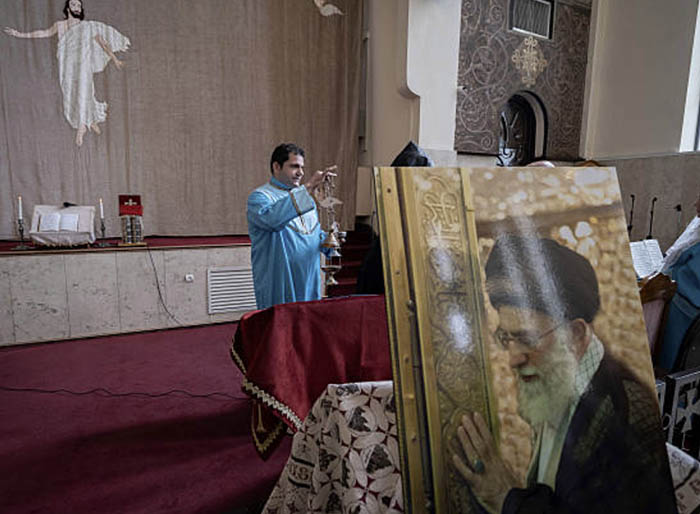
Prayer Ceremony for Late Supreme Leader Ali Khamenei, The bloodthirsty dictator Amid Ceasefire Tensions
Introduction The death of Ali Khamenei on April 8, 2026, has sent shockwaves across Iran and the wider Middle East, … Continue reading ➝
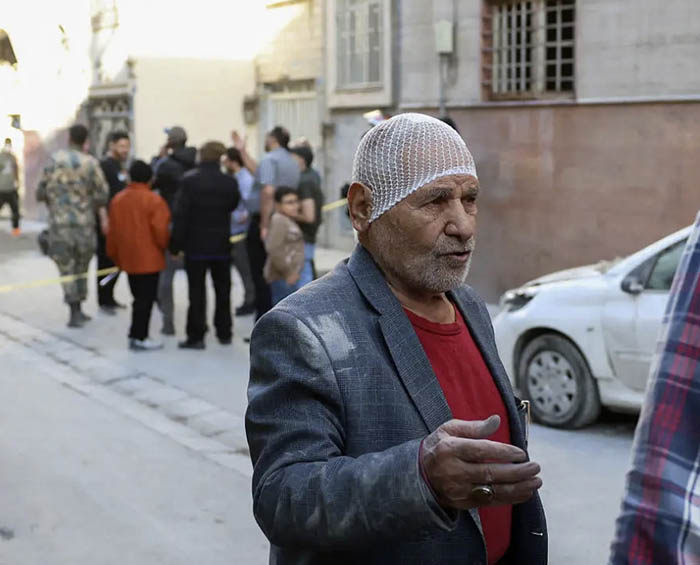
Israeli-American Strikes in Tehran 2026: Synagogue Destroyed Amid Escalating War
Introduction The ongoing conflict between Iran, Israel, and the United States has reached a devastating new chapter. On April 7, … Continue reading ➝