U.S. Secretary of State Marco Rubio Meets Italian Prime Minister Giorgia Meloni in Rome
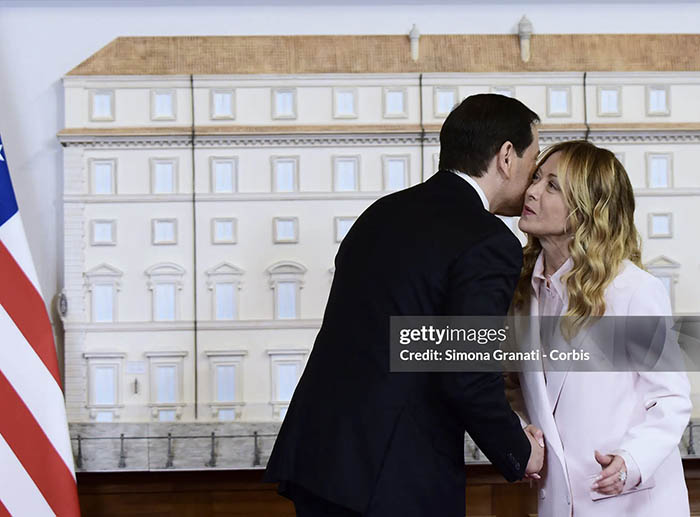
Marco Rubio’s Role as U.S. Secretary of State
Marco Rubio has become one of the most influential figures in U.S. foreign policy under President Donald Trump’s administration. Known for his strong views on national security, international alliances, China, Iran, and NATO, Rubio’s appointment as Secretary of State signaled a more assertive American diplomatic posture.
Before becoming Secretary of State, Rubio served as a U.S. Senator from Florida and developed a reputation as a hawkish foreign policy advocate. Throughout his political career, Rubio consistently emphasized:
- Strong NATO cooperation
- Aggressive sanctions against adversarial governments
- Support for Israel
- Countering Iranian influence in the Middle East
- Strategic competition with China
- Strengthening Western alliances
- Tough immigration policies
- Energy independence and security
As Secretary of State, Rubio inherited a complicated international landscape marked by military tensions, economic uncertainty, and shifting alliances. The Iran conflict, instability in Eastern Europe, and growing divisions within NATO placed enormous pressure on American diplomacy.
The Rome visit was therefore viewed as an essential diplomatic mission aimed at stabilizing relations with one of America’s most important European allies.
May 8, 2026 | 7:31 pm