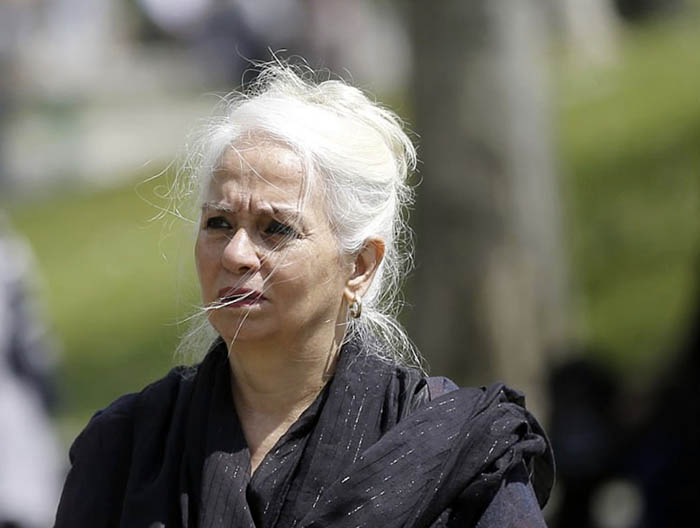
Political Figures at the Funeral of Fatemeh Mossadeghi Rad: Gholam-Ali Haddad Adel, Politicians, Tehran Noor Mosque Memorial

Profiles of Key Figures Attending the Funeral
Gholam-Ali Haddad Adel: The Conservative Pillar
Early Life and Philosophical Foundations
Gholam-Ali Haddad Adel’s academic background in physics and philosophy provided him with a unique perspective among Iran’s political elite. His mentorship under Morteza Motahhari, one of the revolution’s key ideologues, deeply influenced his ideological stance.
Political Trajectory
His tenure as Speaker of Parliament (2004-2008) was marked by efforts to uphold conservative values amidst reformist pressures. His leadership style reflected a blend of ideological firmness and strategic diplomacy, often acting as a bridge between religious authorities and legislative bodies.
Legacy and Influence
Haddad Adel’s influence extends beyond politics into cultural and linguistic preservation. As head of the Academy of Persian Language and Literature, he championed Persian cultural identity, which remains a core element of Iran’s national ideology.
Majid Haddad Adel: The Emerging Conservative Voice
While less prominent on the national stage, Majid’s involvement in local governance and ideological advocacy positions him as a key figure within Iran’s conservative camp. His role signifies the continuity of the family’s political legacy and their ongoing influence in shaping Iran’s future leadership.
Military and Security Leaders
Representatives from the Islamic Revolutionary Guard Corps (IRGC) and Iran’s security apparatus attended the funeral, emphasizing the military’s loyalty to the conservative political establishment and its role as the protector of the Islamic Revolution’s values.
Their presence at such events reinforces the notion that Iran’s military and ideological forces are intertwined, particularly in safeguarding the regime’s stability.
Religious Authorities
Senior clerics and scholars—many of whom are influential within the Qom religious seminaries—attended the funeral, reaffirming the religious legitimacy of the conservative political leadership. Their participation underscores the religious foundation of Iran’s governance and the intertwined nature of political and religious authority.
September 27, 2025 | 1:53 pmMore stories
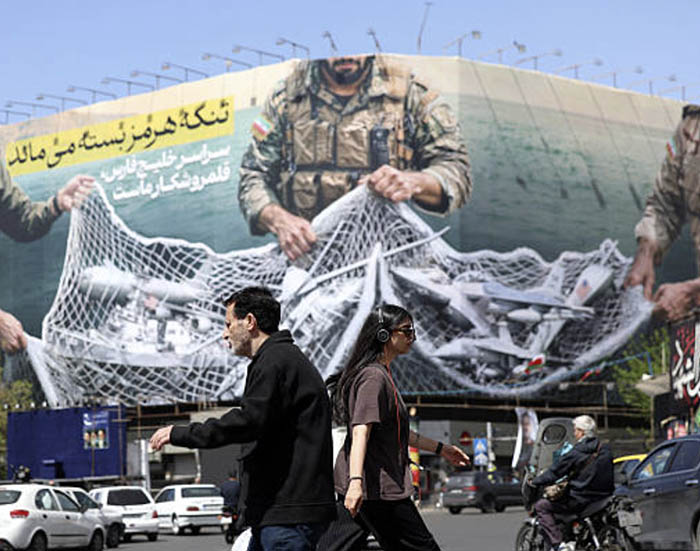
Strait of Hormuz Crisis 2026: Propaganda Posters in Enghelab Square
Introduction In the heart of Tehran, specifically at Enghelab Square, a massive propaganda banner has emerged as one of the … Continue reading ➝
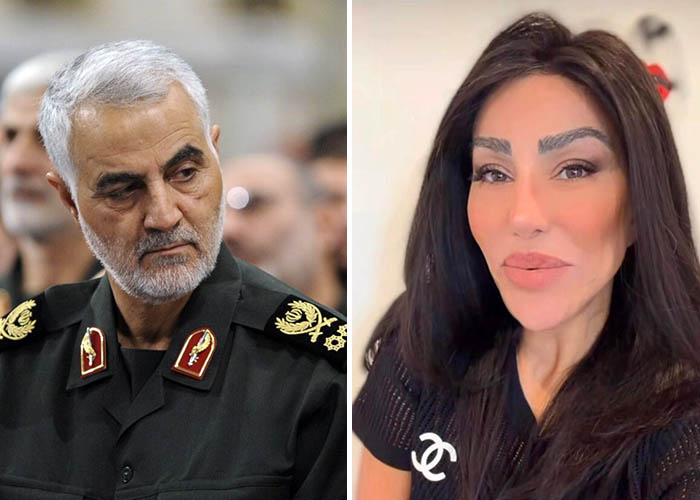
US State Department Arrests Relative of Qassem Soleimani: Immigration Crackdown, National Security Concerns
Introduction The recent announcement by the United States Department of State regarding the arrest and revocation of permanent residency for … Continue reading ➝
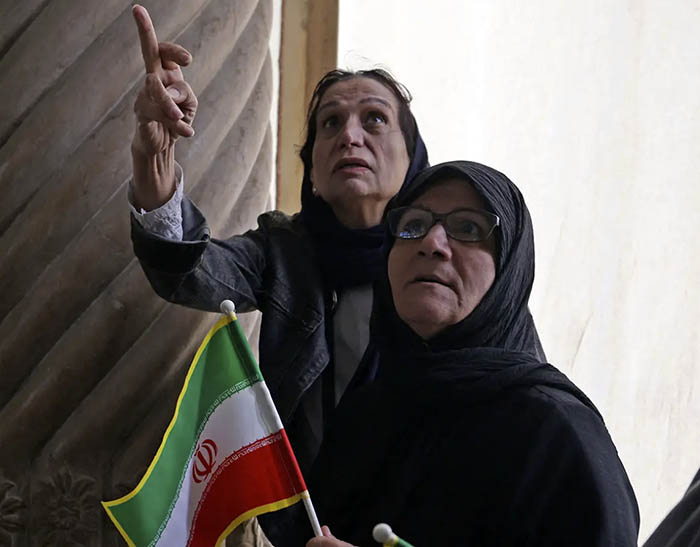
Damage to Golestan Palace Amid Iran–Israel–US Conflict: Cultural Heritage at Risk
Introduction The unfolding Iran–Israel–US conflict in 2026 has not only intensified geopolitical tensions in the Middle East but has also … Continue reading ➝
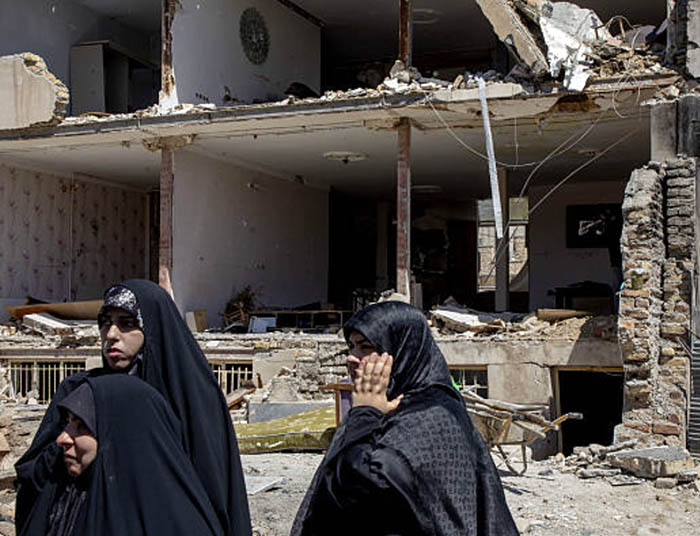
U.S.-Israeli Military Operations: Full Analysis of the 2026 Middle East Conflict
Introduction The escalating conflict involving United States, Israel, and Iran has rapidly evolved into one of the most dangerous geopolitical … Continue reading ➝
13 Bedar in Tehran: Celebrating Life on the Frontline of War
Introduction In the heart of Tehran, where headlines often speak of geopolitical tension, military escalation, and uncertainty, a different story … Continue reading ➝