Funeral Ceremony of Behrouz Razavi in Tehran: Actors and Political Figures Attend Farewell of a Legendary Voice Artist
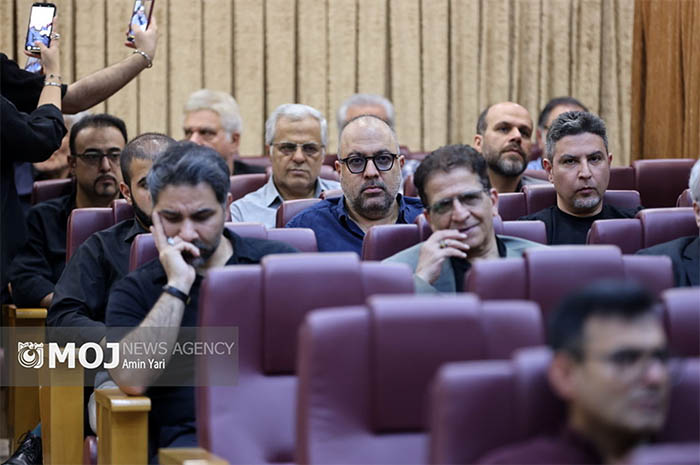
The End of an Era in Iranian Radio and the Changing Landscape of Voice Performance
The passing of Behrouz Razavi marked a turning point in the history of Iranian broadcasting, signaling the gradual closure of an era defined by classical radio storytelling, documentary narration, and studio-based voice performance. His funeral at Al-Reza Mosque became a symbolic moment that many observers described as the farewell of a generation that shaped Iranian auditory culture before the dominance of digital media and streaming platforms.
In earlier decades, radio voices like Razavi’s played a central role in shaping public understanding of news, culture, education, and entertainment. His voice was not simply a tool for communication but a cultural presence that accompanied daily life in homes across Iran. As media technology evolved, his work remained a reference point for quality and emotional authenticity.
During the funeral discussions among colleagues and attendees, many reflected on how the profession of voice acting has transformed over time. The rise of digital editing, automated narration tools, and globalized media production has changed the way voice performance is created and consumed. Yet Razavi’s legacy continued to be described as a benchmark that modern performers still strive to reach.
Search trends following the ceremony showed strong public interest in his career and legacy, with queries such as “Behrouz Razavi voice legacy Iran,” “Iran radio golden age broadcasters,” and “Tehran dubbing industry history figures funeral.”
Actors and dubbing professionals attending the ceremony emphasized that Razavi’s contribution cannot be measured only through his recorded works. Instead, his influence lives on in the standards he established within the profession, including diction, emotional control, and narrative pacing.
Television and radio institutions in Iran also revisited archival recordings of his work, broadcasting special segments that showcased his most memorable performances. These retrospectives allowed audiences to reconnect with his voice, reinforcing the emotional impact of his legacy even after his passing.
June 19, 2026 | 9:27 pmMore stories
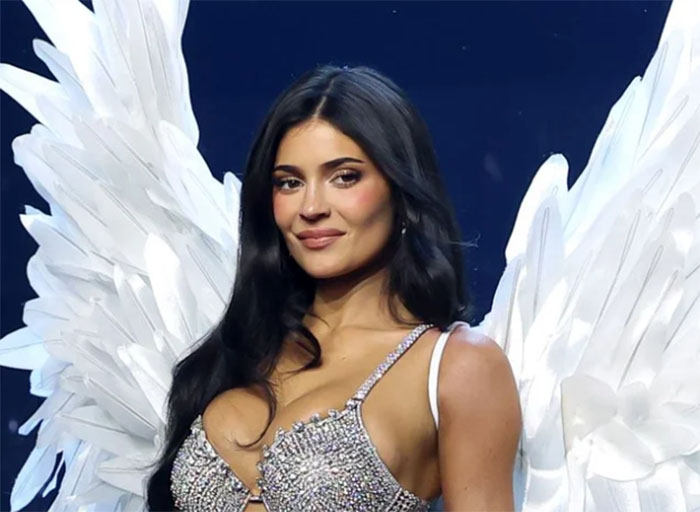
Kylie Jenner Makes Victoria’s Secret Fashion Show Debut in $50 Million Fantasy Bra
Introduction Babak Takhti is an Iranian writer, publisher and the only son of Gholamreza Takhti, the legendary Iranian freestyle wrestler … Continue reading ➝
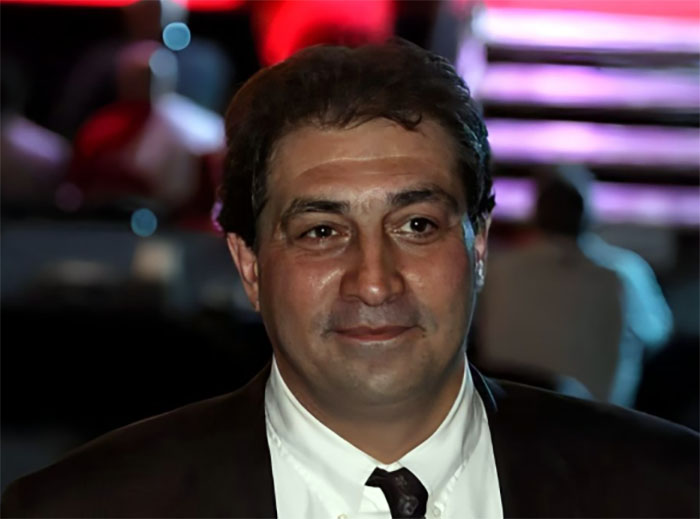
Who Is Babak Takhti? Gholamreza Takhti’s Only Son, His Family, Career, and His Father’s Controversial Death
Introduction Babak Takhti is an Iranian writer, publisher and the only son of Gholamreza Takhti, the legendary Iranian freestyle wrestler … Continue reading ➝
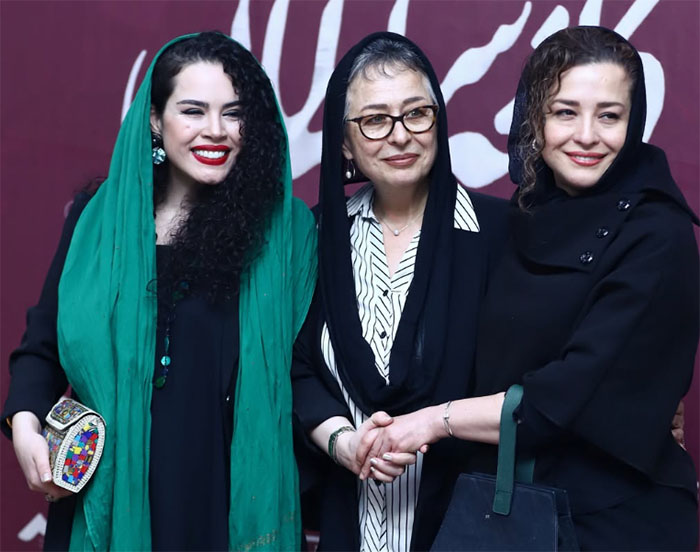
Azita Hajian, Mehraveh Sharifinia and Melika Sharifinia Attend Cafe Soltan Private Screening at Megamall Cinema
Introduction The private screening of Cafe Soltan, the Iranian feature film directed by Mostafa Razagh-Karimi and produced by Morteza Razagh-Karimi, … Continue reading ➝

Bot (Bet) Movie: Hamid Nematollah’s Drama Holds Private Screening at Galleria Cinema Complex
Introduction The Iranian social drama Bot, also transliterated as Bet and associated with the English title Idol, has attracted attention … Continue reading ➝
10 Fascinating Stories About Most Famous Actresses: Behind-the-Scenes Secrets From Iconic Films and TV Shows
Introduction 1. Gohar Kheirandish in Banoo: The Makeup That Could Not Hide Her Beauty Film: Banoo (The Lady) Director: Dariush … Continue reading ➝