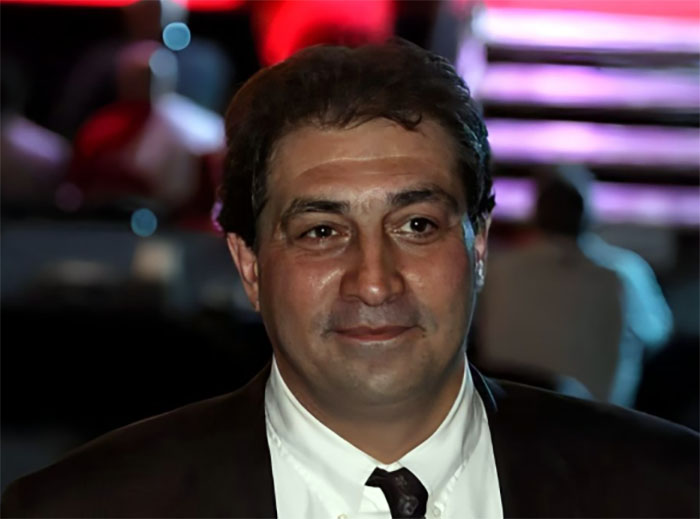
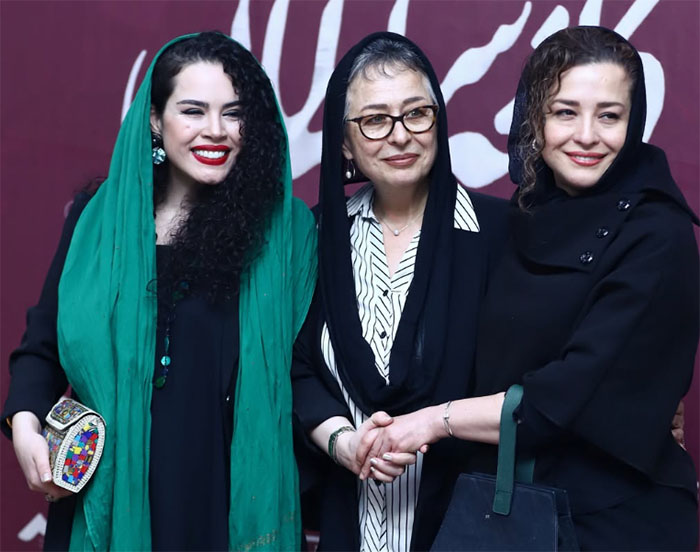
Funeral Ceremony of Behrouz Razavi in Tehran: Actors and Political Figures Attend Farewell of a Legendary Voice Artist
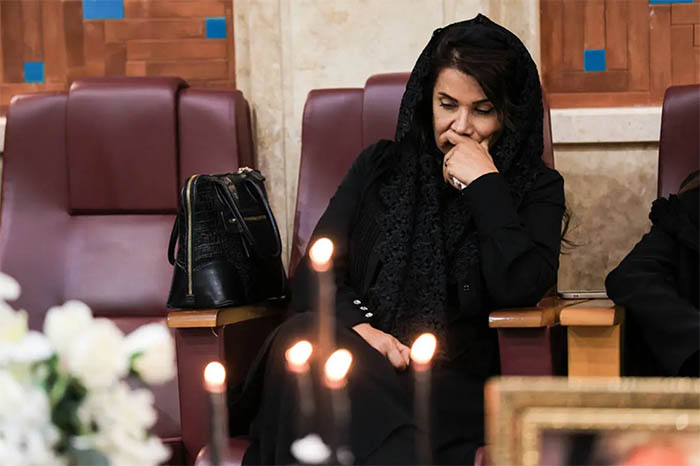
The Cultural Symbolism of Behrouz Razavi’s Legacy in Iranian Media History
The legacy of Behrouz Razavi extends far beyond his funeral ceremony. His life represents a key chapter in the evolution of Iranian radio broadcasting, voice acting, and documentary narration. His work helped define the emotional tone of Iranian audio media for several decades, making him one of the most recognizable voices in the country’s cultural memory.
In the broader history of Iranian broadcasting, Razavi belonged to a generation that built the foundations of modern radio storytelling. Before the rise of digital platforms, radio played a central role in education, entertainment, and cultural communication. Voices like his became essential to shaping public understanding of history, science, and literature.
His contributions to documentary narration were especially significant. Through programs such as cultural and historical documentaries, he helped audiences engage with complex topics in a clear and emotionally resonant way. His narration style balanced authority with warmth, making information more accessible to general audiences.
The continued search interest surrounding his funeral, including phrases like “Iran voice actor legacy Behrouz Razavi,” “Iran radio history important figures,” and “Tehran funeral ceremony cultural icons 2026,” reflects the lasting public interest in his work.
Film and television professionals have also emphasized his role in bridging different forms of media. Although primarily known for radio, he contributed to cinema and television projects that expanded his influence across multiple artistic platforms.
His presence in Iranian cultural history is also tied to the development of dubbing as an art form. In Iran, dubbing has long been a respected craft, requiring not only technical skill but also emotional interpretation. Razavi’s performances helped elevate these standards, influencing younger generations of voice actors.
Cultural analysts often describe his voice as part of Iran’s collective memory. It is associated with education, storytelling, and emotional connection. This rare form of recognition places him among those artists whose work becomes inseparable from the daily experiences of audiences.
June 19, 2026 | 9:27 pm