Funeral Ceremony of Ayatollah Sistani’s Wife in Tehran: Rouhani and Larijani Attend in a Sign of Political Unity
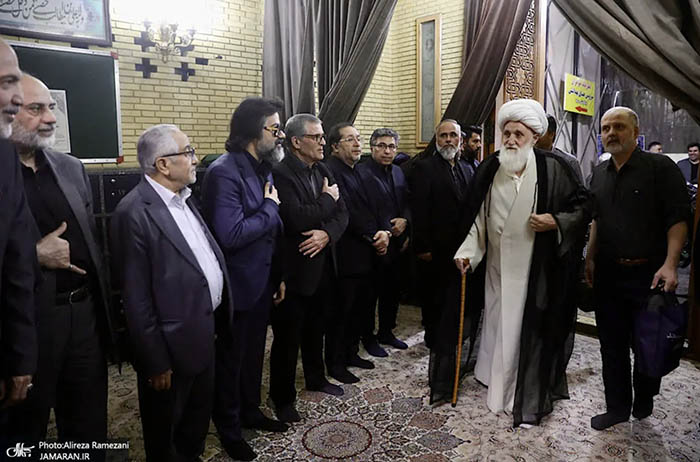
Cultural and Religious Significance in the Context of the Funeral
The Role of Religious Leaders and Institutions
Religious leaders like Ayatollah Sistani play a crucial role in maintaining spiritual unity among Shia Muslims across Iran and Iraq. Their influence extends into political spheres, shaping policies and regional alliances.
The Impact of the Funeral on Shia Identity
The funeral served as a unifying event for Shia Muslims, reinforcing their shared religious identity and regional solidarity. It also highlighted the importance of religious sites like Al-Ghadir Mosque as centers of spiritual and political activity.
October 4, 2025 | 1:15 pmMore stories
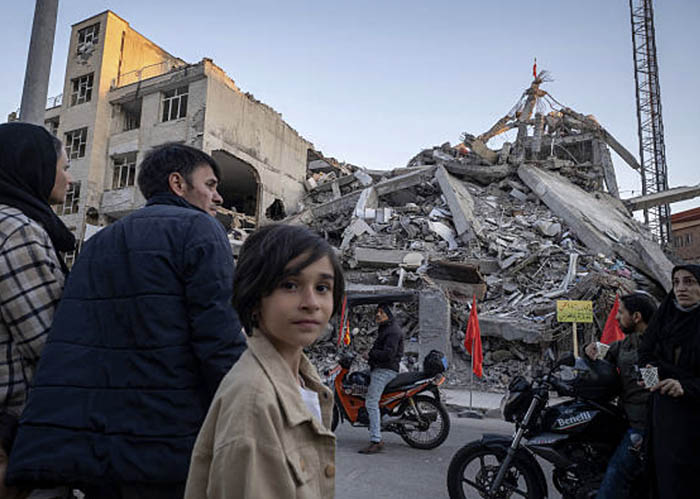
The Islamic Republic’s Instrumental Misuse of War Ruins: Propaganda
Introduction In the aftermath of the March 9 military strikes attributed to joint U.S.-Israeli operations, parts of residential Tehran were … Continue reading ➝
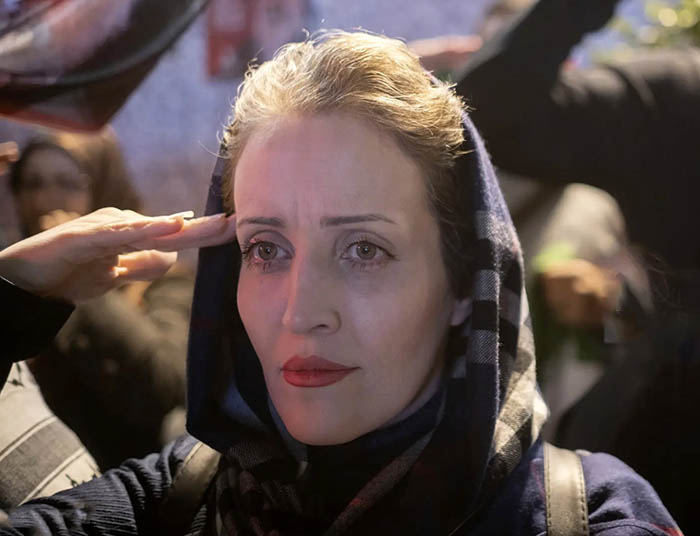
Iran Funeral Ceremony 2026: Rising Tensions After Killing of IRGC Intelligence Chief Majid Khademi
Introduction The funeral ceremony of Majid Khademi, the head of the Islamic Revolutionary Guard Corps (IRGC) Intelligence Organization, has become … Continue reading ➝
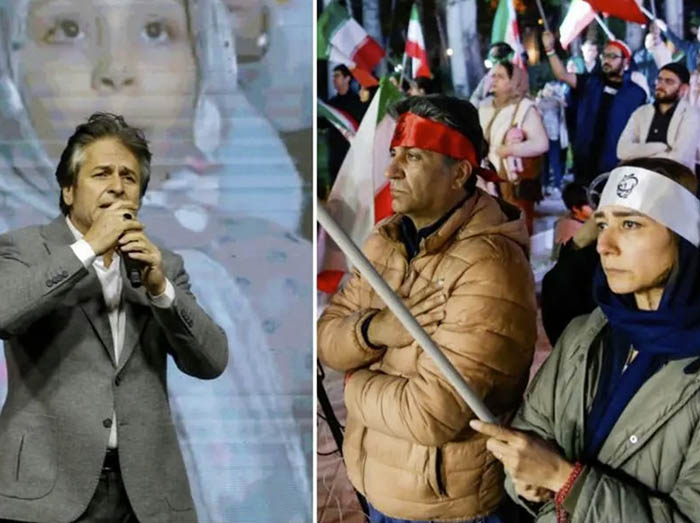
Tajik and Zanko Street Concert in Ferdows Garden: A Powerful Musical Tribute
Introduction On the evening of Tuesday, 18 Farvardin 1405, Ferdows Garden became the heart of an unforgettable cultural moment in … Continue reading ➝
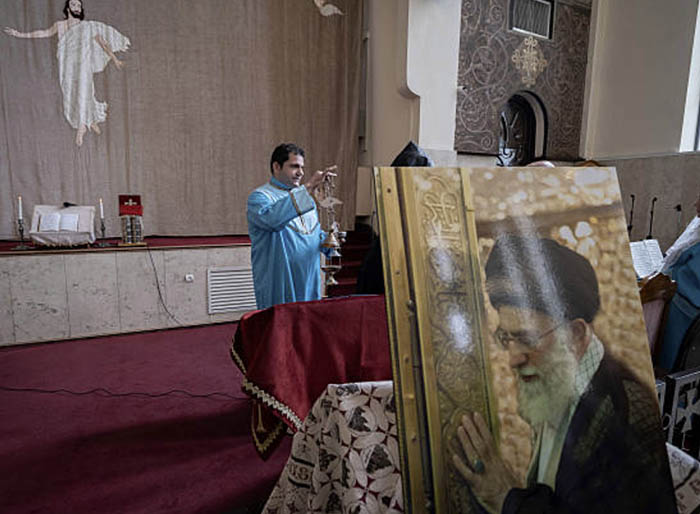
Prayer Ceremony for Late Supreme Leader Ali Khamenei, The bloodthirsty dictator Amid Ceasefire Tensions
Introduction The death of Ali Khamenei on April 8, 2026, has sent shockwaves across Iran and the wider Middle East, … Continue reading ➝
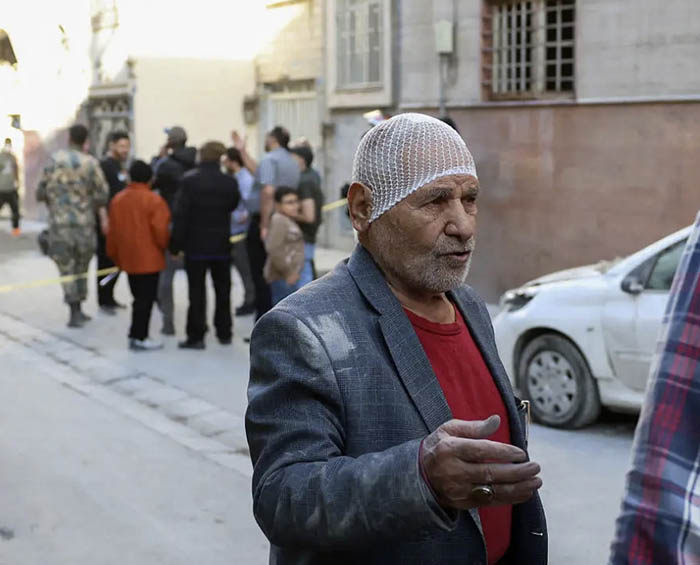
Israeli-American Strikes in Tehran 2026: Synagogue Destroyed Amid Escalating War
Introduction The ongoing conflict between Iran, Israel, and the United States has reached a devastating new chapter. On April 7, … Continue reading ➝