In-Depth Review and Analysis of Hatef Alimardani’s “Kajpileh”: A Critical Perspective on Modern Cinema and Social Media Influence
Broader Implications for Iranian Cinema and Social Media’s Role
“Kajpileh” exemplifies a broader trend in Iranian and global cinema: the tension between artistic integrity and commercial/social media success. While viral clips can boost visibility, they risk diluting artistic quality and social relevance.
Filmmakers must strike a balance—creating content that is both engaging for social media and meaningful for cinema audiences. Otherwise, they risk producing works that are forgotten once the viral moment passes.
Conclusion: Lessons from “Kajpileh” and the Future of Iranian Social Cinema
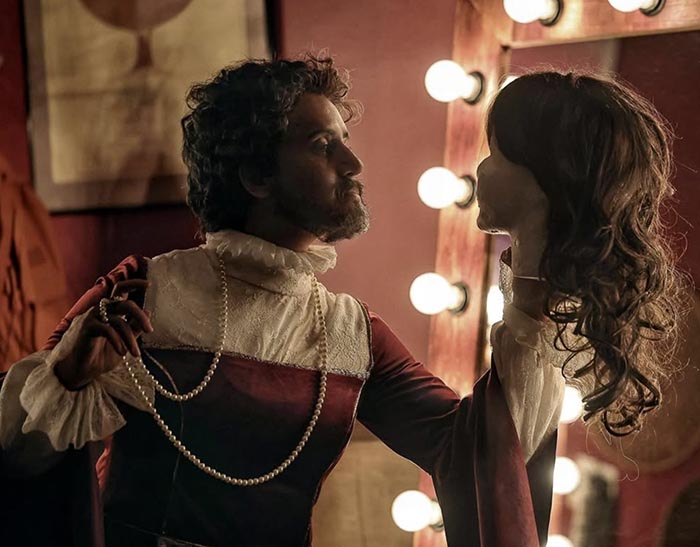
In summary, “Kajpileh” serves as a cautionary tale about the pitfalls of prioritizing social media virality over cinematic quality. While the premise had potential to address important social issues like gender stereotypes, superficial humor, poor script, and artificial performances undermine its message.
Iranian cinema continues to evolve, and filmmakers must learn from these missteps, embracing creativity, coherence, and social responsibility. The future lies in producing films that resonate both online and offline—films that challenge stereotypes, innovate storytelling, and uphold artistic integrity.
As audiences become more discerning, the demand for authentic, meaningful cinema will only grow. Filmmakers who recognize this shift will be better positioned to create work that stands the test of time, transcending fleeting social media fame.