In-Depth Review and Analysis of Hatef Alimardani’s “Kajpileh”: A Critical Perspective on Modern Cinema and Social Media Influence
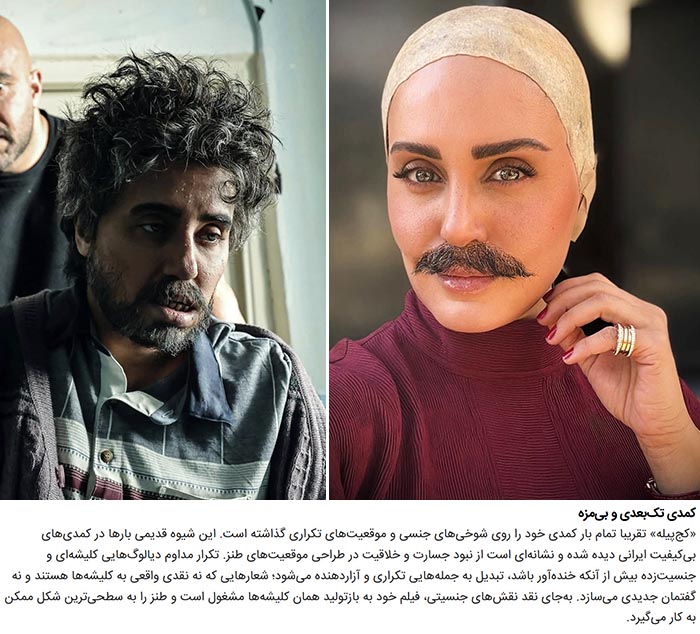
Elnaz Shakerdoost: From Artistic Brilliance to Superficiality in “Kajpileh”
A Renowned Actress with a Rich Legacy
Elnaz Shakerdoost is one of Iran’s most respected and talented actresses, renowned for her nuanced performances and depth in portraying complex characters. Over her career, she has earned recognition for her roles in critically acclaimed films such as “TT” (2016) directed by Ali Toloui, “Highway Deer” (2017), and her appearances in numerous theater productions and television series.
Her acting style is characterized by subtlety, emotional depth, and a remarkable ability to embody diverse roles, from social dramas to intimate character studies. Her performances often receive praise for their authenticity, making her a favorite among critics and cinephiles alike.
The Peak of Her Artistic Career
Throughout her career, Shakerdoost has been celebrated for her capacity to navigate complex social issues through her performances. For example:
- In “TT”, she portrayed a woman grappling with societal expectations and personal identity, delivering a performance praised for its emotional authenticity.
- In “Highway Deer”, she explored themes of gender and social pressure, earning accolades for her nuanced portrayal.
- Her work in theater has also demonstrated her versatility and dedication to artistic expression, making her one of Iran’s most prominent contemporary actresses.
“Kajpileh”: A Dramatic Departure
However, her role in “Kajpileh” marks a stark departure from her previous work. Critics and audiences alike have observed that her performance in this film feels superficial, detached, and underwhelming, especially when compared to her past acclaimed roles.
Superficial Makeup and Heavy-handed Direction
One of the main reasons for this perceived decline in performance quality is the heavy makeup and erratic direction. The film’s prosthetic and makeup work aimed to transform her into a male character, but the artificiality of the makeup drew attention away from her acting. Instead of seamlessly embodying a different gender identity, her performance appeared exaggerated and artificial.
This heavy reliance on makeup and visual effects compromised her ability to deliver subtle expressions or convey complex emotions. The artificial look created a barrier to authentic acting, reducing her to a performative role that lacked depth.
Lack of Character Development
The script itself did little to develop her character beyond superficial comedic situations. As a result, her performance lacked the nuanced emotional layers that she is known for. Instead of exploring the internal conflict or social critique that could have been embedded in the story, her role was reduced to comic relief and visual spectacle.
Iranian cinema has historically been characterized by its poetic storytelling, social realism, and emphasis on human rights issues. Filmmakers like Abbas Kiarostami, Mohsen Makhmalbaf, and Jafar Panahi have gained international acclaim for their subtle yet powerful narratives. However, the Iranian film industry also faces restrictions, censorship, and societal pressures, which have shaped its unique artistic language.
In recent years, Iranian filmmakers have increasingly experimented with hybrid genres, blending social critique with comedy, satire, and even social media-driven content. This shift reflects changing audience tastes, technological advancements, and the desire to reach broader, especially younger, audiences through social media platforms like Instagram, TikTok, and YouTube.
Hatef Alimardani, once a prominent figure in this landscape, was known for his ability to address social issues with a nuanced approach. His films often critiqued gender stereotypes, social inequality, and cultural taboos. But with “Kajpileh”, critics argue that he has strayed from this path, succumbing to superficiality and social media trends.
November 21, 2025 | 11:18 pm