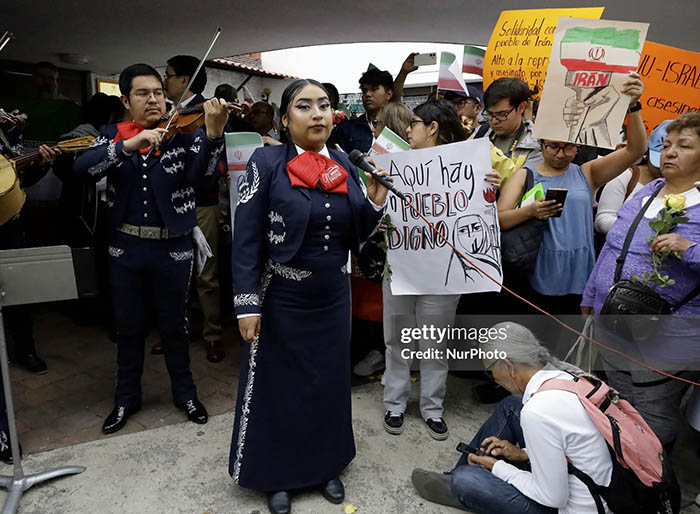
The Forty-Day Mourning: Controversy After the Death of Ali Khamenei in Mexico City
Conclusion: Mourning, Memory, and the Future
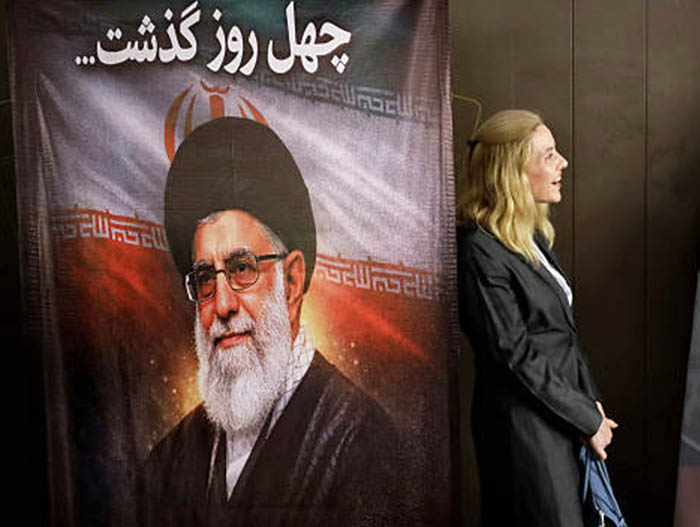
The 40-day ceremony following the death of Ali Khamenei is far more than a religious observance. It is a moment where history, politics, and identity intersect.
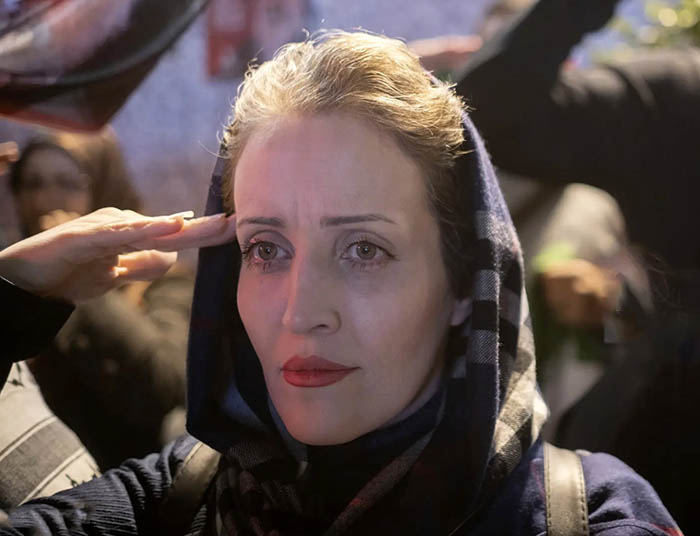
For some, it is a time to honor a leader who preserved the Islamic Republic. For others, it marks the end of a restrictive era. For the state, it is a carefully managed event designed to project unity and continuity.
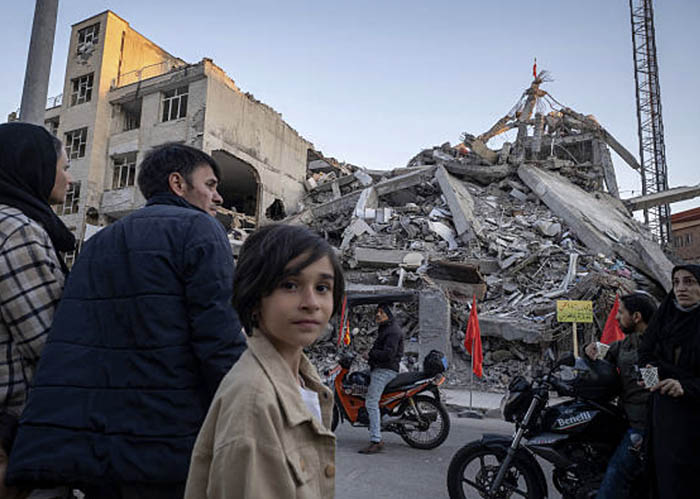
Ultimately, the meaning of this moment will not be determined solely by speeches or ceremonies, but by what follows—how power is transferred, how society responds, and whether the Islamic Republic adapts or resists change.
The chehelom for Khamenei is therefore not just about mourning a leader—it is about confronting the system he embodied.
For the state, the ceremony offers an opportunity to reaffirm authority and continuity. For critics, it is a moment to reflect on decades of restricted freedoms. For many ordinary citizens, it may simply be a complex mix of obligation, memory, and uncertainty.