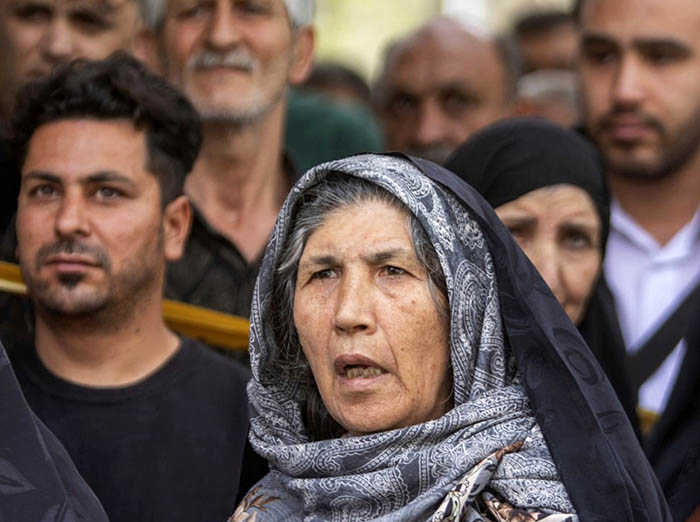
Daily Life in Tehran Amidst Turmoil and Diplomatic Resumption: The Aftermath of January in 2026
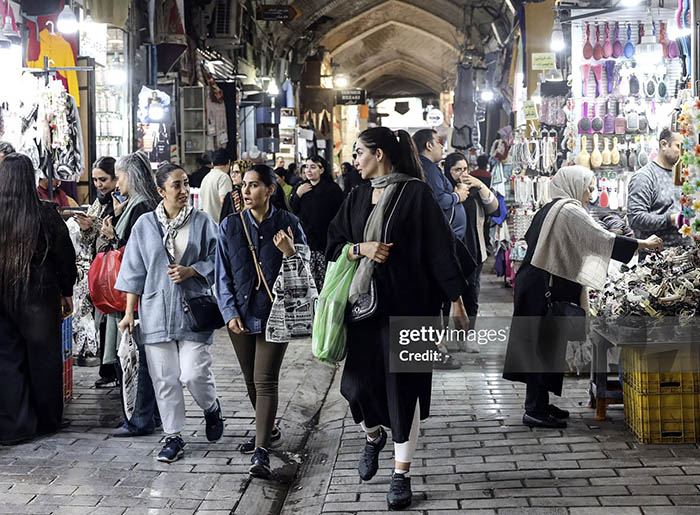
Daily Life in Tehran Amidst the Aftermath
Despite the upheaval, daily life in Tehran persisted. Markets and shops reopened under tight security, and ordinary Iranians continued their routines—walking through the Grand Bazaar, working in offices, attending schools, and participating in community activities. The resilience of the Iranian people was palpable; life, in its persistent rhythm, endured beneath the shadow of violence and repression.
Women in Tehran, amidst the chaos, continued to walk through the Grand Bazaar and other public spaces, wearing chadors and headscarves, embodying both tradition and defiance. The Bazaar itself was a microcosm of Iran’s complex identity—an ancient marketplace alive with merchants selling spices, textiles, and jewelry—yet scarred by recent violence.
The Impact of the January Massacre on Society and Politics
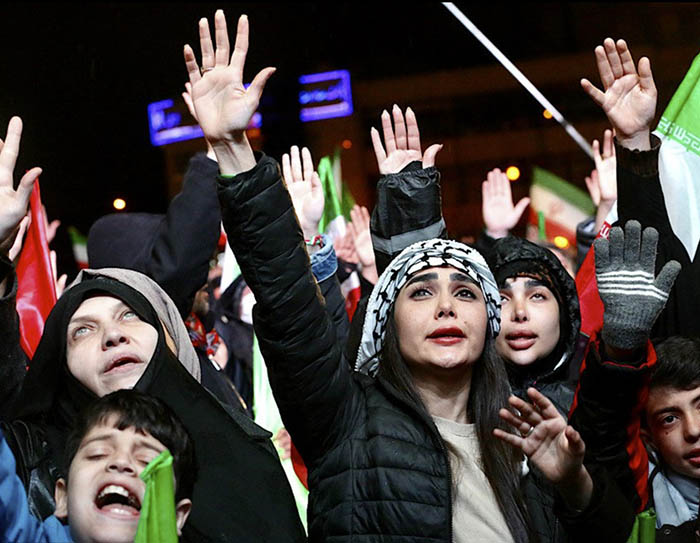
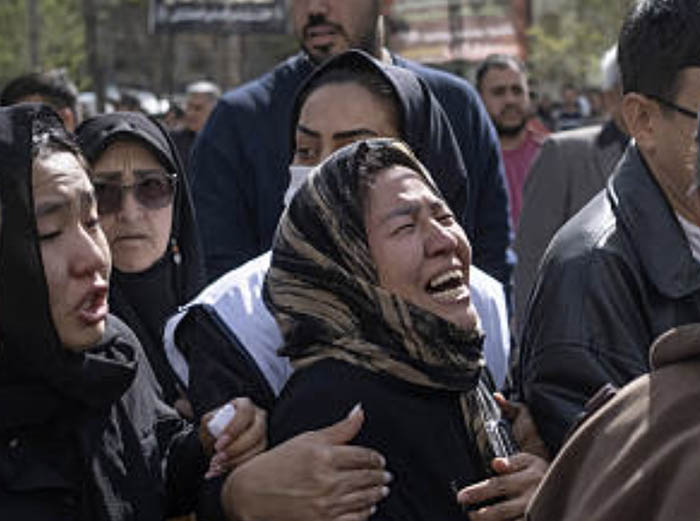
The massacre of protestors in the Grand Bazaar and other locations led to widespread outrage among Iranians, especially among youth and civil society groups. Protest slogans demanding justice and democratic reforms spread across social media platforms, despite government censorship. The event intensified calls for political reform, human rights protections, and an end to repression.
In the wake of the massacre, some reformist factions within Iran’s political landscape gained momentum, advocating for greater openness and dialogue. Others, aligned with hardline factions, doubled down on repression, fearing instability and foreign influence. The internal political debate reflected Iran’s deep divisions—between those seeking reform and those committed to preserving the status quo.