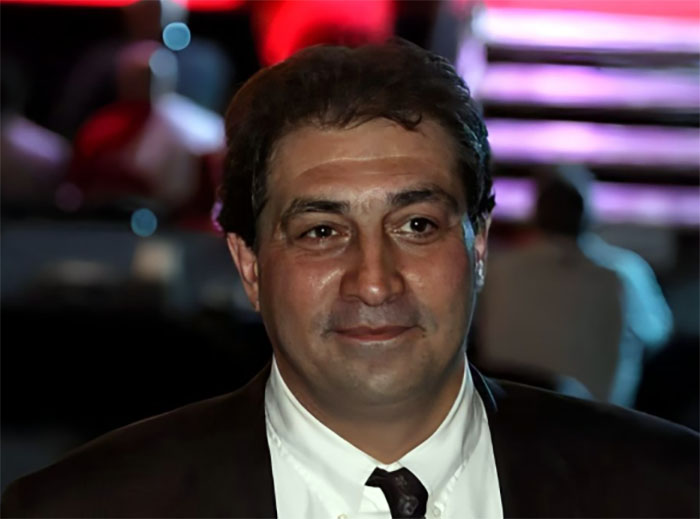
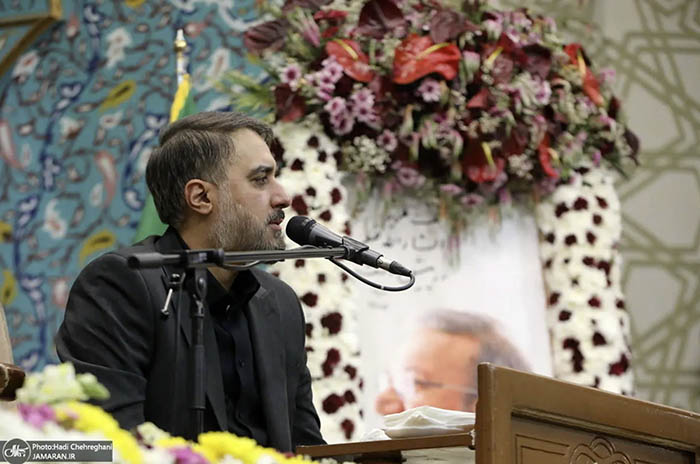
Ali Larijani Assassination, Funeral Ceremony, and Political Impact in War 2026
In the months that followed, the broader consequences of the assassination continued to ripple through every layer of Iran’s political and social structure. What initially appeared as a single, high-profile targeted strike gradually revealed itself as a catalyst for deeper transformation. The absence of a figure like Ali Larijani, who had long operated as a bridge between competing factions, created a vacuum that could not easily be filled by institutional replacement alone.
Inside the government, subtle but important shifts began to emerge in how decisions were made. Meetings that once included a diversity of viewpoints became more consolidated, with fewer voices willing to challenge dominant perspectives. This was not necessarily the result of formal policy, but rather a reflection of the psychological environment that had taken hold. When risk becomes more visible, caution often follows, and caution can sometimes limit open debate.
At the same time, the security apparatus expanded its influence. Greater emphasis was placed on internal monitoring, background verification, and movement control for officials. These measures were presented as necessary responses to an evolving threat landscape, but they also contributed to a sense of restriction that extended beyond political elites. Even within administrative institutions, procedures became more rigid, and the margin for informal interaction narrowed.
May 2, 2026 | 9:10 pm