Ali Larijani Assassination, Funeral Ceremony, and Political Impact in War 2026
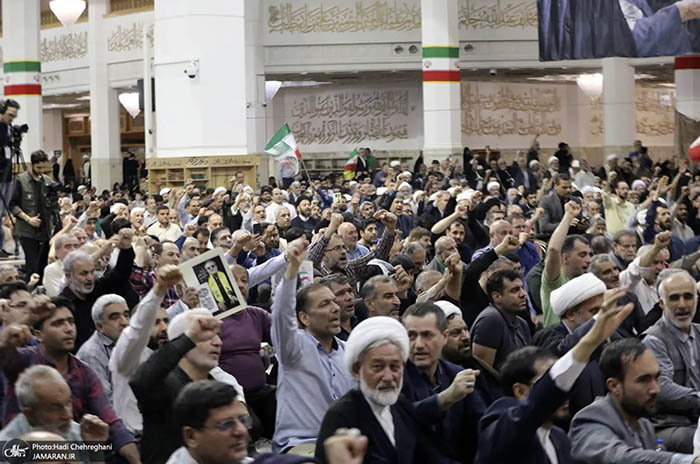
The cultural impact of the event also deepened over time. Writers, filmmakers, and commentators began to explore themes related to loss, vulnerability, and national identity. While some works aligned closely with official narratives, others took a more reflective approach, examining the human dimension of political. This cultural response added another layer to the public understanding of what had happened, moving beyond headlines into more personal interpretations.
In educational settings, the assassination became a topic of discussion in courses related to politics, international relations, and modern history. Students analyzed not only the event itself but also the broader patterns it represented. Questions about sovereignty, deterrence, and the ethics of targeted actions became central to these conversations. Through this process, a new generation engaged with the complexities of the situation, forming perspectives that may influence future discourse.
On the international stage, diplomatic interactions were subtly reshaped. While formal remained in place, the tone of communication shifted. There was a noticeable increase in indirect messaging, with statements crafted carefully to convey intent without escalating tensions unnecessarily. This cautious approach reflected an awareness that misinterpretation could have serious consequences in an already volatile environment.
May 2, 2026 | 9:10 pm