Abdolnaser Hemmati: A Leading Figure in Modern Economic Management and Banking
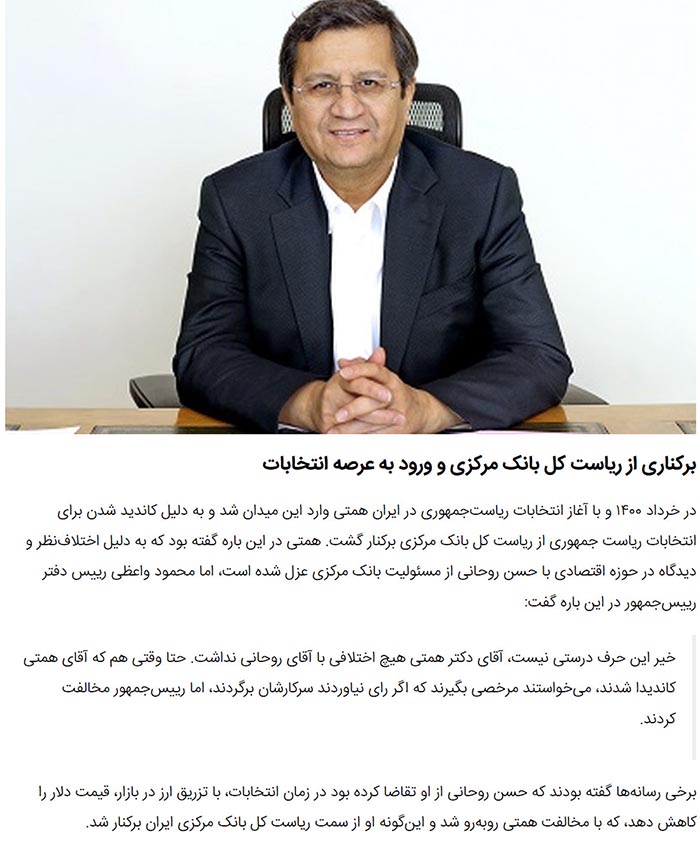
Deepening the Insight: Hemmati’s Strategic Vision and Challenges
Navigating Economic Sanctions and External Pressures
One of Hemmati’s most formidable challenges was managing an economy under the weight of international sanctions. These restrictions severely limited access to global financial markets, restricted foreign investments, and hampered exports, especially oil. Hemmati’s strategy focused on creating resilient financial institutions capable of withstanding external shocks, advocating for self-reliance, and negotiating diplomatic channels to lift restrictions.
His proposal to establish a foreign exchange reserve fund was a critical step toward buffering the economy. The fund aimed to stabilize currency fluctuations, provide liquidity during crises, and reduce dependence on external sources. This move demonstrated his foresight in recognizing the importance of sovereign reserves for macroeconomic stability.
Inflation and Currency Devaluation
During Hemmati’s tenure as Central Bank Governor, inflation surged significantly, reaching over 40%. The devaluation of the currency was a direct consequence of multiple factors: external sanctions, internal monetary policies, and inflationary expectations. Hemmati implemented measures to curb inflation, including tightening liquidity and adjusting interest rates, but the external environment limited the effectiveness of these policies.
His advocacy for transparency and regulatory oversight was aimed at restoring confidence in the banking system, which was adversely affected by inflation and currency instability. While some critics argued that external factors overwhelmed his policies, Hemmati maintained that monetary discipline and structural reforms are essential for long-term stability.
December 31, 2025 | 5:20 pmMore stories

Kylie Jenner Makes Victoria’s Secret Fashion Show Debut in $50 Million Fantasy Bra
Introduction Babak Takhti is an Iranian writer, publisher and the only son of Gholamreza Takhti, the legendary Iranian freestyle wrestler … Continue reading ➝

Who Is Babak Takhti? Gholamreza Takhti’s Only Son, His Family, Career, and His Father’s Controversial Death
Introduction Babak Takhti is an Iranian writer, publisher and the only son of Gholamreza Takhti, the legendary Iranian freestyle wrestler … Continue reading ➝
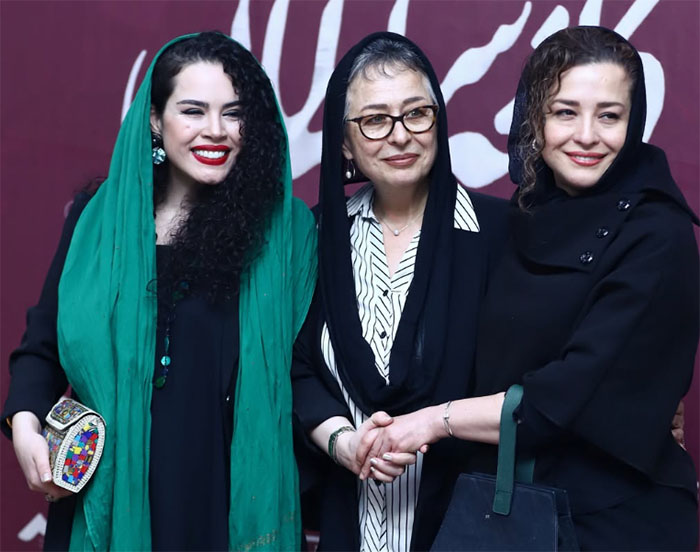
Azita Hajian, Mehraveh Sharifinia and Melika Sharifinia Attend Cafe Soltan Private Screening at Megamall Cinema
Introduction The private screening of Cafe Soltan, the Iranian feature film directed by Mostafa Razagh-Karimi and produced by Morteza Razagh-Karimi, … Continue reading ➝

Bot (Bet) Movie: Hamid Nematollah’s Drama Holds Private Screening at Galleria Cinema Complex
Introduction The Iranian social drama Bot, also transliterated as Bet and associated with the English title Idol, has attracted attention … Continue reading ➝
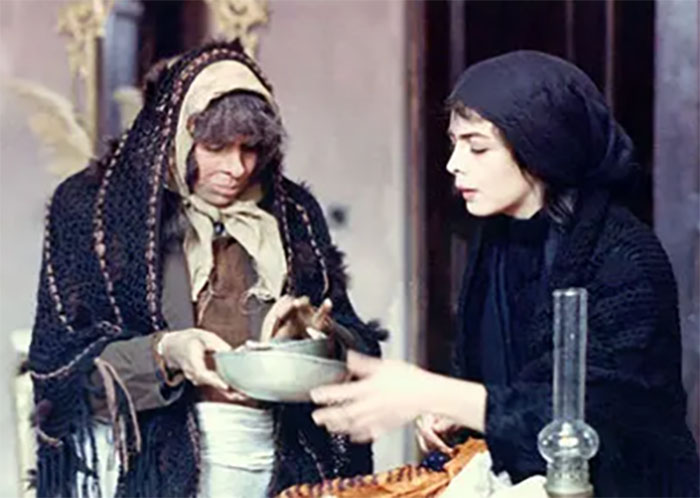
10 Fascinating Stories About Most Famous Actresses: Behind-the-Scenes Secrets From Iconic Films and TV Shows
Introduction 1. Gohar Kheirandish in Banoo: The Makeup That Could Not Hide Her Beauty Film: Banoo (The Lady) Director: Dariush … Continue reading ➝