Women Without Hijab: The Propaganda Paradox of Daily Life in Tehran During War
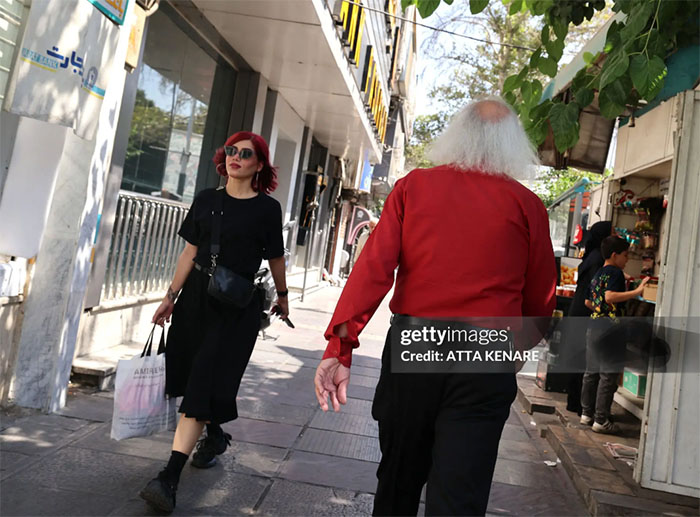
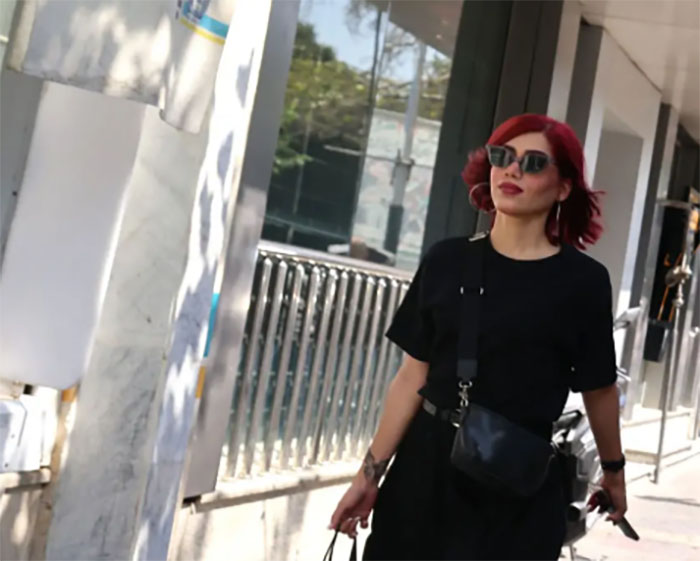
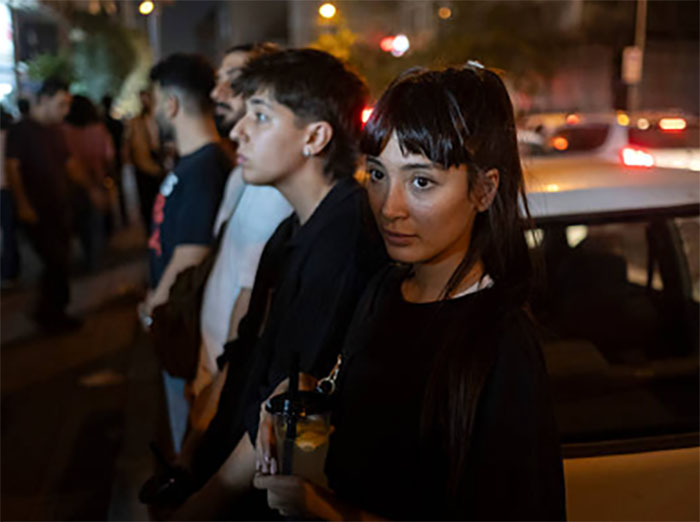
Iran women without hijab have become one of the most visible and politically charged subjects in discussions about contemporary Iranian society. In photographs of Tehran, women can sometimes be seen walking through streets, shopping, commuting, crossing roads and carrying out ordinary activities without wearing the head covering traditionally required under Iran’s mandatory hijab rules.
These images can appear simple. A woman walks past a kiosk. Another crosses a street. Commuters move through a crowded intersection. A billboard carries a political message. National flags hang from buildings. A portrait of a political leader dominates a wall.
Yet together, these details reveal a complicated reality.
The contradiction between official political messaging and everyday social behavior is what can be described as the propaganda paradox.
On one side is the image presented by authorities: a society united around national identity, resistance, religious values and opposition to foreign enemies. On the other is the visual reality of ordinary life, where millions of Iranians continue working, shopping, commuting and socializing while making individual decisions about clothing, religion and personal expression.
The presence of women without hijab in Iran does not automatically mean that these women are participating in political protest. Nor does it mean that every Iranian woman rejects religious dress. Iranian society is considerably more diverse than either interpretation suggests.
The significance lies elsewhere.
The ordinary act of appearing in public without hijab can exist simultaneously as a personal decision, a form of social disobedience, a political symbol and simply part of everyday life.
That ambiguity makes photographs of Tehran particularly powerful.
September 14, 2026 | 6:05 pm