Paris Protest, Pro-Rally and the Islamic Republic: How Demonstrations in France
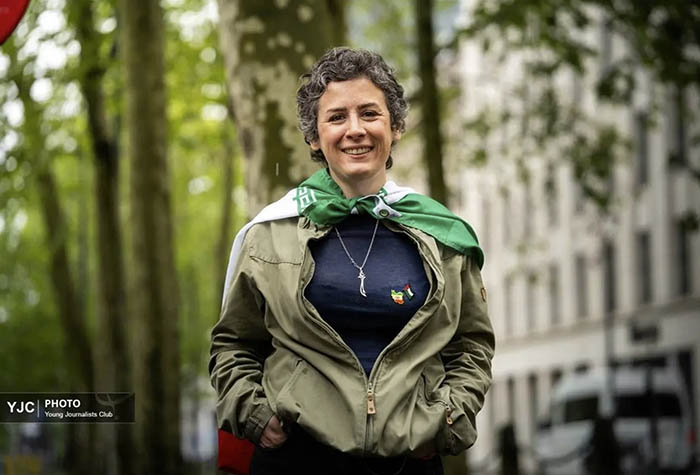
Paris has once again become the center of political controversy after a demonstration involving supporters of the Islamic Republic of Iran gathered near the United States embassy in the French capital. The rally, which unfolded during a fragile regional ceasefire and ongoing tensions involving Iran, Israel, and the United States, triggered heated reactions across social media, European political circles, and Middle East communities.
Videos and photographs circulating online showed demonstrators waving Iranian flags, carrying religious banners, chanting political slogans, and expressing support for the Iranian government during a period of extraordinary geopolitical instability. Critics described the rally as support for an authoritarian regime accused by opponents of repression, regional militancy, and support for armed proxy groups. Supporters of the demonstration argued that they were defending Iranian sovereignty and opposing foreign intervention in the Middle East.
The event occurred during a particularly sensitive moment for France itself. Paris has experienced weeks of political unrest, ideological polarization, economic anxiety, immigration debates, and social protests. Against this backdrop, the pro-Iran gathering became more than a foreign policy issue. It evolved into a symbol of wider tensions surrounding religion, identity, free speech, political activism, and security in modern Europe.
Searches for terms such as “Paris Iran protest,” “pro-Iran rally France,” “Islamic Republic supporters Paris,” “US embassy Paris demonstration,” “France Middle East tensions,” “Iran ceasefire protest,” “Paris political unrest 2026,” “Iran supporters Europe,” “religious rally Paris,” and “anti-US protests France” surged online as audiences attempted to understand the significance of the event.
The demonstration revealed how conflicts in the Middle East increasingly shape political and cultural dynamics far beyond the region itself. It also highlighted the complex relationship between diaspora communities, ideological activism, religion, and European democracy.
May 7, 2026 | 4:39 am