Paris Protest, Pro-Rally and the Islamic Republic: How Demonstrations in France
Conclusion: Paris, Iran, and the Politics of Global Tension
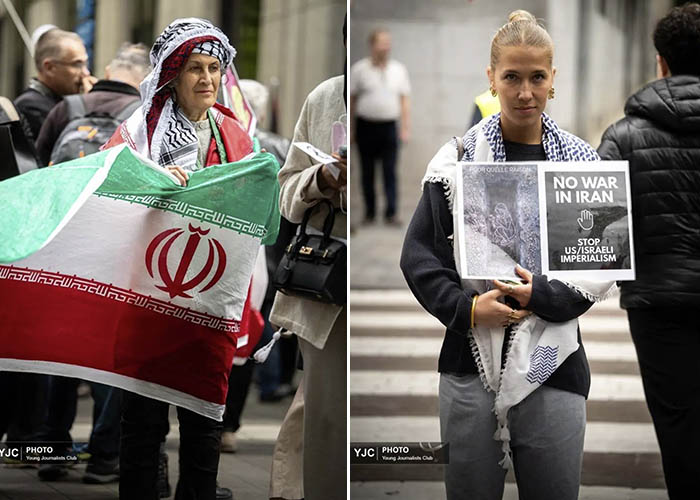
The pro-Iran demonstration near the US embassy in Paris represented far more than a single political rally.
It reflected the growing entanglement between Middle East geopolitics and European domestic politics.
For supporters, the gathering symbolized resistance, sovereignty, and opposition to foreign intervention.
For critics, it symbolized support for authoritarian ideology and extremism.
The intensity of these reactions revealed how emotionally polarized global politics has become.
Paris remains one of the world’s most symbolically powerful political stages.
When demonstrations connected to Middle East conflicts unfold there, they resonate far beyond France.
The rally highlighted the transformation of modern protest movements into globally networked media spectacles shaped by social platforms, ideological communities, and geopolitical narratives.
It also revealed how ceasefires, embassies, religious symbolism, and diaspora activism now intersect inside Europe’s public spaces.
The controversy surrounding the demonstration ultimately reflected a larger reality.
The boundaries between domestic politics and international conflict are disappearing.
Events in Tehran influence Paris.
Conflicts in the Middle East shape debates in Europe.
Social media accelerates emotional polarization across continents.
And public demonstrations increasingly function as symbolic battles over identity, legitimacy, and power.
The Paris rally therefore mattered not only because of who gathered there, but because of what the gathering revealed about the modern world.
A world where geopolitics, religion, digital media, migration, and protest culture collide in real time.
A world where a single demonstration can ignite international controversy within hours.
And a world where the struggle over political narratives may become just as important as military or diplomatic confrontations themselves.