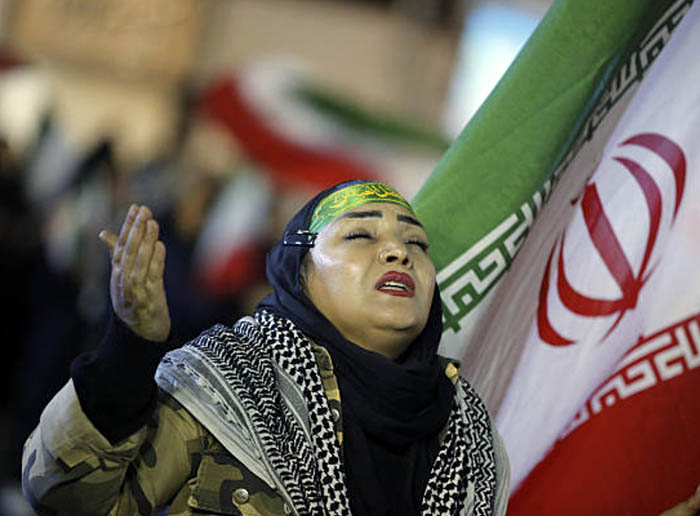
War Conflict and the Hijab: The Role of Women in Socio-Political Movements
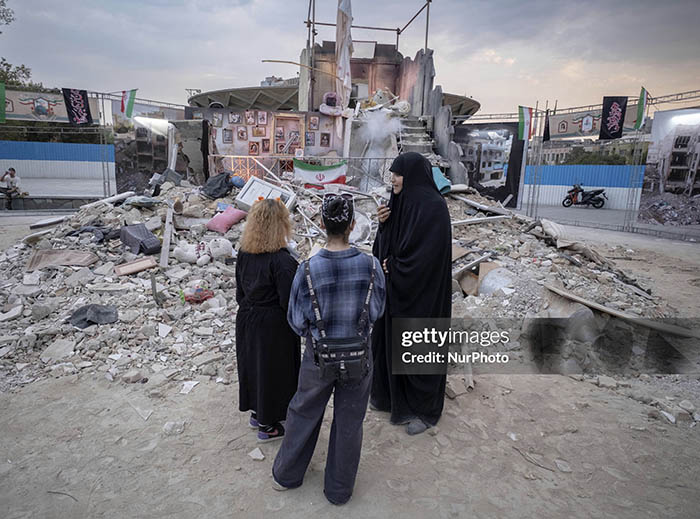
Section 2: The Cultural and Religious Significance of the Hijab in Iran
2.1 Historical Evolution of the Hijab in Iran
Pre-20th century Iran had diverse dress customs. The 1906 Constitutional Revolution and subsequent political movements set the stage for debates over dress and morality. The 1979 Revolution marked a turning point, with the mandatory hijab law enforced as part of Islamic governance.
2.2 Hijab as a Symbol of Islamic Identity and Resistance
Post-revolution, the hijab became a symbol of Islamic fidelity, resistance to Western influence, and national unity. It represented the Islamic Republic’s ideological foundation but also became a contentious social issue, sparking protests and debates for decades.
2.3 Contemporary Interpretations and Movements
While the government enforces strict dress codes, many Iranian women interpret hijab differently—ranging from religious devotion to political statement. Movements demanding choice and reform, such as the “My Stealthy Freedom” campaign, highlight ongoing tensions.
August 7, 2025 | 4:21 pm