The Humanitarian Crisis in Tehran: Civilian Casualties and the Impact of on Capital
9. Deep Dive into the Humanitarian Crisis in Tehran
The Human Cost of Violence
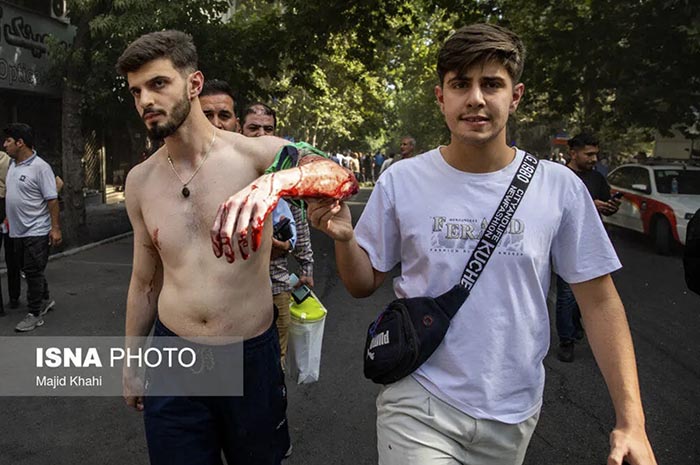
The ongoing violence in Tehran has exacted a heavy toll on its civilian population. Beyond the immediate loss of life and injuries, the crisis has led to long-term psychological trauma, displacement, and economic hardship for thousands.
Psychological Impact on Civilians
Children, in particular, are deeply affected by the violence. Witnessing conflict and destruction can result in lasting emotional scars, ranging from post-traumatic stress disorder (PTSD) to anxiety and depression. Families torn apart by violence face immense grief, and communities struggle with rebuilding trust and social cohesion.
Displacement and Refugees
While Iran has historically been a host to refugees from neighboring conflict zones, internal violence has also caused internal displacement. Many civilians flee their homes seeking safety, often living in overcrowded shelters or temporary accommodations with limited access to basic services.
Economic Hardships
The economic fallout from violence further exacerbates the crisis. Damage to infrastructure, businesses, and homes disrupts daily life, leading to unemployment and poverty. The sanctions imposed on Iran have already strained its economy, and ongoing unrest deepens the economic crisis, affecting health, education, and social services.
The Role of International Aid and Humanitarian Organizations
Organizations such as the International Red Cross, UN agencies, and local NGOs are working tirelessly to provide essential services. Their efforts include:
- Distributing medical supplies and providing trauma care
- Establishing safe zones for displaced civilians
- Offering psychological support and counseling
- Providing food, water, and sanitation facilities
However, access to conflict zones remains challenging due to security restrictions and political barriers, underscoring the need for diplomatic engagement and international pressure to facilitate aid delivery.
June 15, 2025 | 2:42 pmMore stories
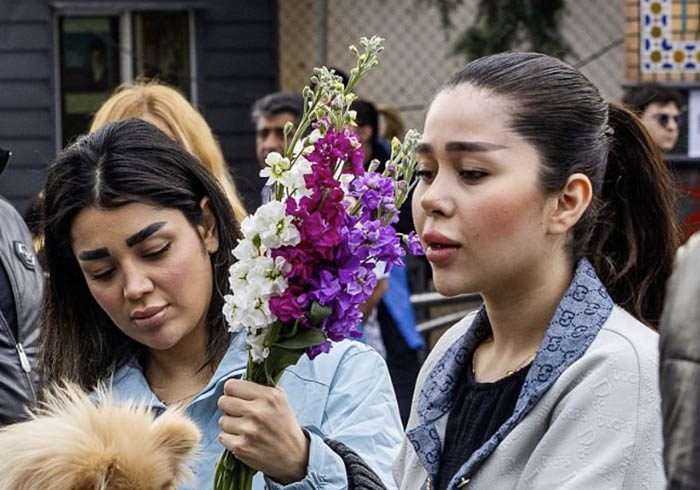
Hope in the Ruins: The Resilience and Quiet Courage of Women in Tehran During War
Introduction In the heart of Tehran, where the echoes of explosions still linger in the air and shattered glass lines … Continue reading ➝
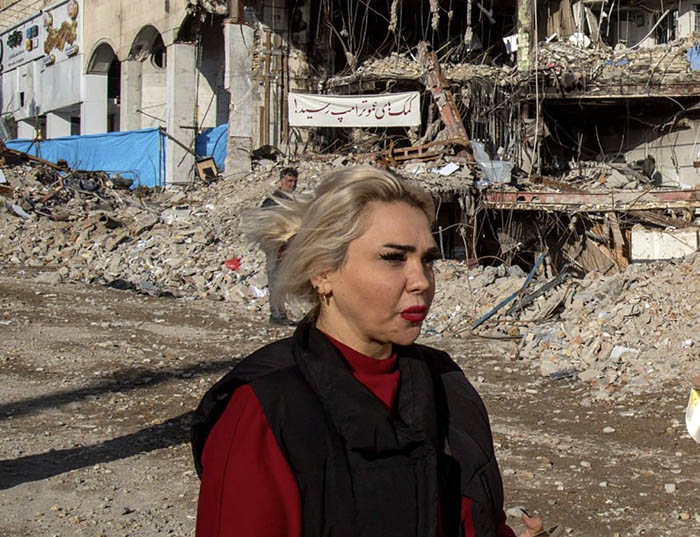
U.S. and Israel Wage War Against Iran: Full Analysis of the 2026 Middle East Conflict
Introduction The escalating conflict between the United States, Israel, and Iran has rapidly transformed into one of the most significant … Continue reading ➝
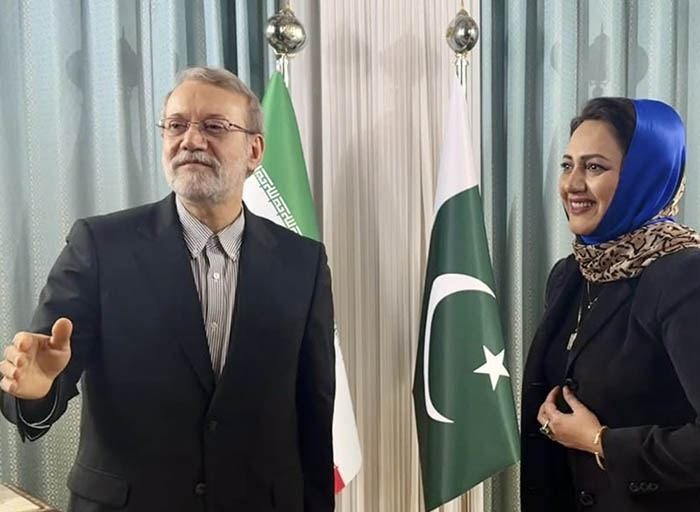
Asma Shirazi’s Interview with Ali Larijani: Understanding Iran’s “Blank Cheque” Offer to Pakistan
Introduction In November 2025, a significant geopolitical moment unfolded when senior Pakistani journalist Asma Shirazi interviewed Iranian politician Ali Larijani … Continue reading ➝
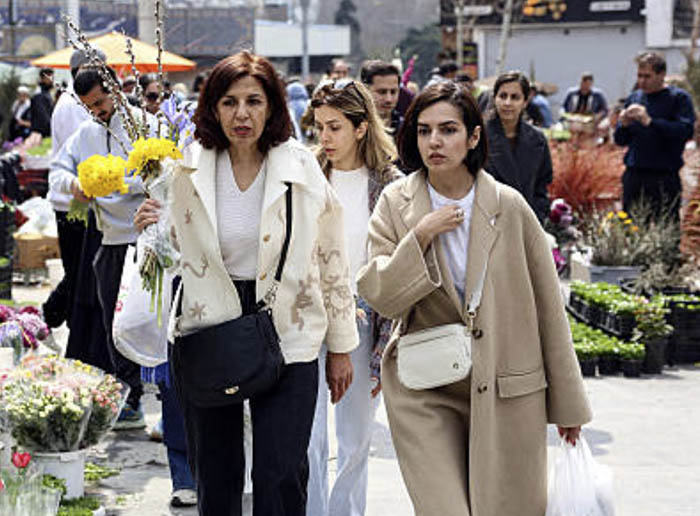
Life and Hope in a War Zone: Nowruz 2026 in Tehran Amid Iran–US–Israel Conflict
Introduction On the eve of Nowruz 2026, the streets and markets of Tehran tell a story that is both deeply … Continue reading ➝
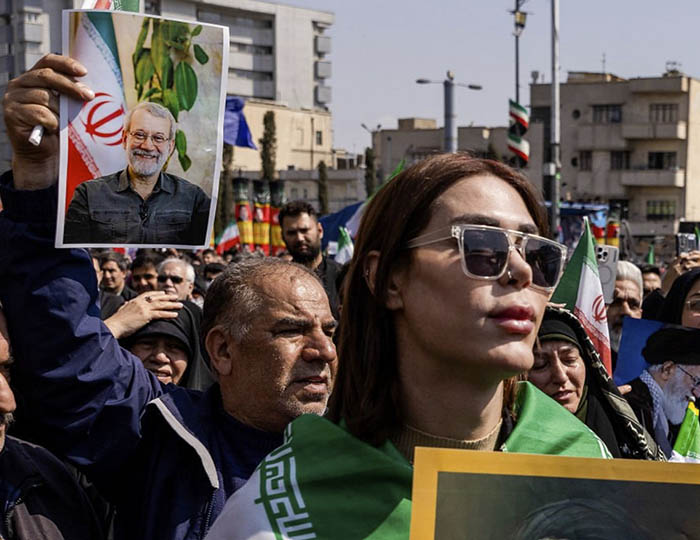
Funeral in Tehran for Ali Larijani and Sailors Killed in U.S.-Israel Attack
Introduction On March 18, 2026, thousands of mourners filled Enghelab Square in central Tehran to attend one of the most … Continue reading ➝