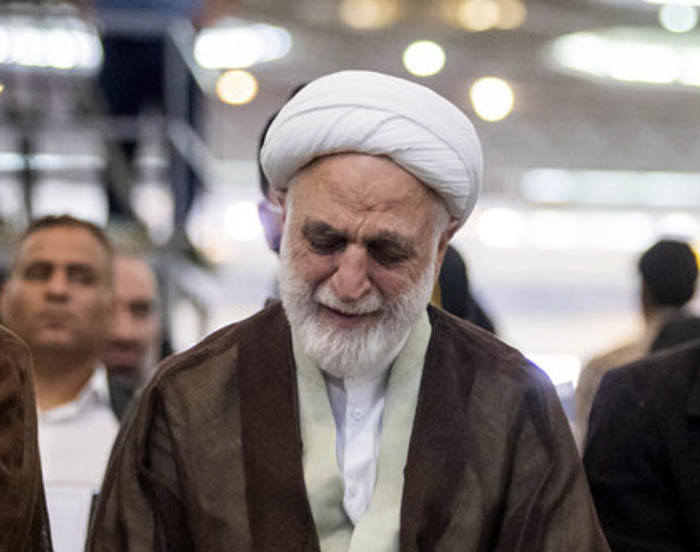
Seyyed Mohammad Khatami Visits Dr. Hassan Habibi Museum: A Reflection on Reform and Legacy

Contextual Challenges: Moving Forward
Despite the enthusiasm and energy among the youth, systemic challenges remain prevalent. The hardline faction in Iran continues to maintain a firm grip on power, often stifling any attempts at significant reforms. The censorship faced by Khatami and reformists throughout his presidency has only intensified in recent years, hindering freedom of speech and assembly.
Moreover, widespread economic issues, political repression, and social injustices have persisted. As the country grapples with international sanctions, a stagnant economy, and internal dissent, the aspirations for reform often find themselves at odds with the entrenched interests of conservative leaders who fear losing power.
This complex political landscape creates difficulties for a potential Khatami-like figure to gain traction in today’s Iran. However, as history has shown, movements calling for change often arise during periods of hardship and discontent. Khatami’s vision of a more open society planted seeds of hope, and the continued struggle for reform suggests that his legacy may yet navigate through the winds of change.
Regional and Global Implications
Khatami’s influence extends beyond Iran’s borders and offers valuable insights into the broader Middle Eastern dialogue. The Arab Spring, for instance, showcased how youthful activism, combined with calls for reform, could reshape political landscapes. Khatami’s principles—encouraging dialogue over division—present a framework for understanding the developments in neighboring countries facing similar struggles for democracy and civil rights.
Khatami’s advocacy for “Dialogue Among Civilizations” promotes a necessary antidote to the prevailing narratives of conflict and mistrust that often dominate discussions about the Middle East. As nations grapple with their identities in a globalized world, Khatami’s emphasis on cultural engagement remains timely.
Fostering mutual understanding and respect among various cultures can help combat extremist ideologies that thrive on division. Khatami’s vision and approach encourage a global environment where dialogue, rather than confrontation, becomes the norm.