Separo House: The Best Thatched House in the World of 2025
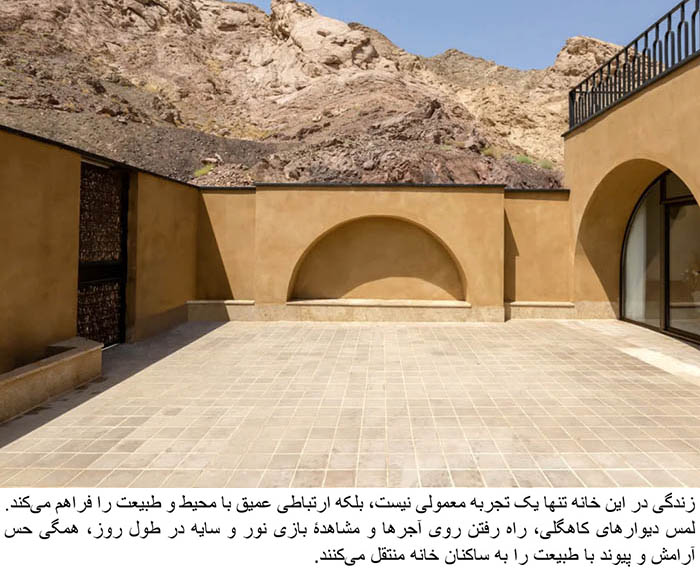
Educational Initiatives and Knowledge Transfer
The success of the Separo House can serve as a catalyst for educational programs aimed at fostering a new generation of architects and builders who appreciate the value of integrating traditional practices with modern design principles. By establishing workshops and training sessions that highlight the techniques and materials used in constructing the Separo House, local universities and architectural schools can cultivate an environment of learning that respects heritage while promoting sustainability.
1. Workshops and Hands-on Training:
Local artisans and craftsmen can lead workshops focused on traditional building techniques, such as clay construction, thatching, and the creation of curved roofs. This knowledge transfer not only preserves these essential skills but also empowers community members to participate actively in their economic development.
2. Academic Collaborations:
Universities and design schools can collaborate with local communities to create programs that allow students to engage in real-world projects like the Separo House. These initiatives can help students understand the complexities of cultural sensitivity, sustainable design, and community engagement, preparing them for careers that prioritize ethical practices in architecture.
Policy Implications and Community Resilience
The recognition of the Separo House on national and international platforms can encourage policymakers to support similar initiatives that blend sustainability with cultural preservation. Some potential policy implications and community resilience strategies include:
1. Incentives for Sustainable Building:
Local governments could offer financial incentives, grants, or tax breaks for projects that utilize traditional materials and techniques, promoting sustainable practices that benefit both the environment and the local economy.
2. Heritage Conservation Programs:
Implementing policies aimed at preserving traditional architectural styles can help maintain the cultural identity of communities in the face of modernization. Encouraging the adaptive reuse of existing structures rather than their demolition can foster continuity and respect for historical context.
3. Community-Led Development Initiatives:
Empowering local residents to have a say in development projects within their neighborhoods can lead to solutions that truly reflect the needs and desires of the community. Engaging residents in the planning and design process for future structures can result in buildings that enhance rather than disrupt the existing cultural landscape.
More stories

Ebrahim Haghighi Razor-Thoughts Exhibition at Sohrab Gallery: A Landmark Contemporary Art Event
Introduction The upcoming exhibition of Ebrahim Haghighi’s Razor-Thoughts at Sohrab Gallery is set to become one of the most talked-about … Continue reading ➝
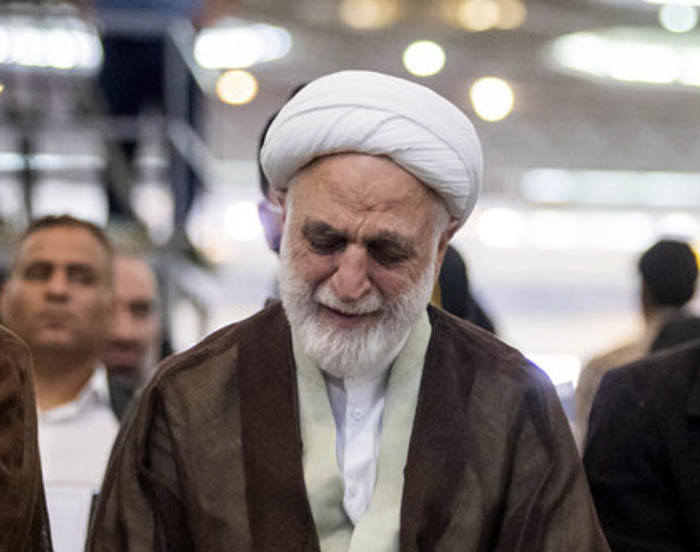
Ejei Cries at Iran War Commemoration Ceremony in Tehran 2026
Introduction A major state ceremony was held in Tehran on May 24, 2026, at the Imam Khomeini Mosque and the … Continue reading ➝
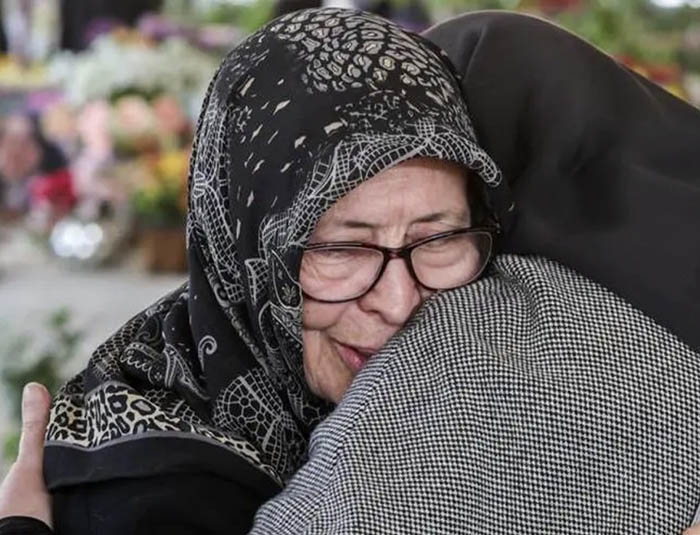
Kamal Kharazi: Diplomat, Foreign Policy Strategist, and Political Legacy
Introduction Kamal Kharazi is one of the most influential Iranian diplomats, political strategists, and foreign policy figures in the history … Continue reading ➝

Maryam Zolghadr at amfAR Gala Cannes 2026: The Red Carpet at Hotel du Cap-Eden-Roc
Introduction The glamour of the French Riviera once again became the center of global attention during the amfAR Gala Cannes … Continue reading ➝

The Love Story of Sasha Sobhani and Laura Niemas: A Glamorous Journey to Cannes
Introduction The world of celebrity travel, luxury lifestyles, romance, and international glamour has always fascinated online audiences. Among the names … Continue reading ➝