Haido Hedayati: The Voice of “Wahshi” – Biography, Music, and Cultural Impact
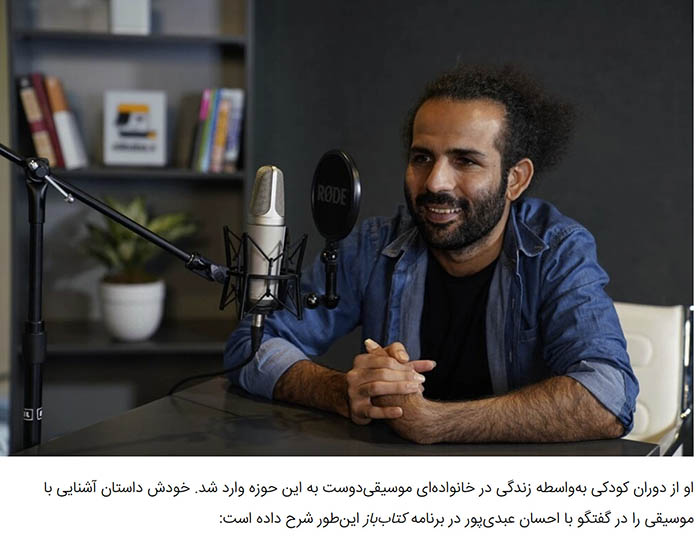
Early Steps and the Rise of “Mongeha”
Haido Hedayati’s solo musical journey began in 2016 with the release of his first piece, titled “Mo Si To.” This initial offering marked his official entry as a recording artist and provided a glimpse into his developing musical style.
However, it was the song “Mongeha,” released in 2019, that truly brought Haido Hedayati to wider attention and garnered significant praise from music lovers. “Mongeha” resonated with audiences, showcasing his ability to craft compelling melodies and create an evocative atmosphere. The success of “Mongeha” solidified his position as a promising artist with a distinct voice.
Following the success of “Mongeha,” Haido Hedayati continued to release popular songs that further showcased his unique sound and versatility. Tracks like “Empty Train,” “Mojab,” “Loke,” “Daan,” and “Ghashen” have contributed to his growing discography and expanded his fan base. These songs likely explore different facets of his musical fusion, demonstrating his ability to experiment within his established style.
His musical output also includes an album titled “Tirishko.” An album allows an artist to explore themes and musical ideas in a more cohesive and extended format than single releases. The “Tirishko” album likely provides a comprehensive overview of Haido Hedayati’s artistic vision and the breadth of his musical influences.
The “Wahshi” Series and the Power of “Jang Shod”
While “Mongeha” brought him significant recognition, Haido Hedayati’s fame reached new heights with his contribution to the acclaimed Iranian series “Wahshi,” directed by Hooman Seydi. The song “Jang Shod,” composed and performed by Hedayati, was chosen as the end credits theme for the series.
The success of the “Wahshi” series, known for its compelling narrative and intense atmosphere, undoubtedly played a significant role in exposing Haido Hedayati’s music to a massive audience. The placement of “Jang Shod” at the end of each episode allowed viewers to experience his unique sound and connect it with the emotional weight of the series.
The song “Jang Shod” itself is a powerful piece that perfectly complements the tone and themes of “Wahshi.” Its blend of traditional Iranian musical elements and contemporary sounds likely mirrors the complex and often gritty narrative of the series. Music in film and television plays a crucial role in setting the mood, enhancing the drama, and leaving a lasting impression on the viewer. Haido Hedayati’s “Jang Shod” achieves this effectively, becoming an integral part of the “Wahshi” viewing experience.
May 7, 2025 | 6:44 pmMore stories

ELLE Arabia Exclusive: Negin Mirsalehi – The Beauty Mogul Redefining Middle Eastern Heritage and Honey-Based Skincare
Introduction In the world of beauty and skincare, authenticity, heritage, and innovation are the new currency. Among the many inspiring … Continue reading ➝

Camelia Entekhabifard: Influential Journalists Making Their Mark at the Red Sea International Film Festival 2025
Introduction The Red Sea International Film Festival 2025 in Jeddah, Saudi Arabia, continues to be a vibrant hub for cinematic … Continue reading ➝

Transport Motorbike Training: Empowering Women Through Safe Riding Education
Introduction In recent years, Iran has experienced a transformative shift in its transportation landscape, driven by urbanization, economic development, and … Continue reading ➝

Peyman Maadi and Daughter Baran Maadi Shine at the 22nd Marrakech International Film Festival
Introduction The 22nd Marrakech International Film Festival (MIFF) took place in the vibrant city of Marrakech, Morocco, from December 4 … Continue reading ➝
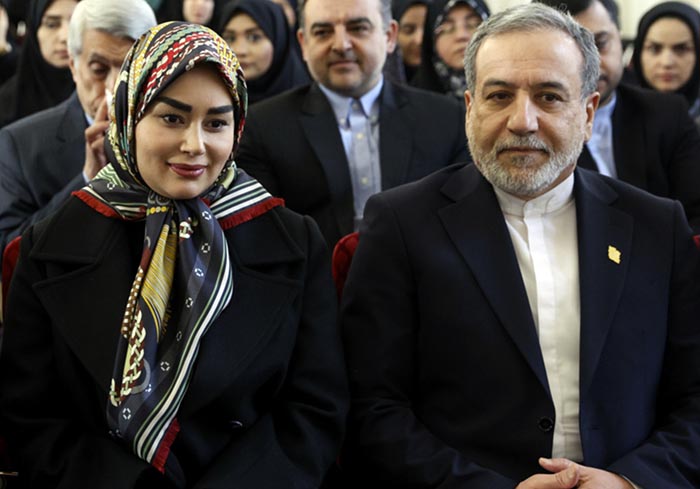
The Exclusive Sight: Abbas Araqchi with His Young Wife at a Women’s Ceremony
Introduction In the complex world of Iranian politics and diplomacy, moments that blend personal life with public appearances often become … Continue reading ➝