Controversial Tattoos Put Armin Sohrabian’s Football Career at Risk: Ethics Committee Summoned Defender
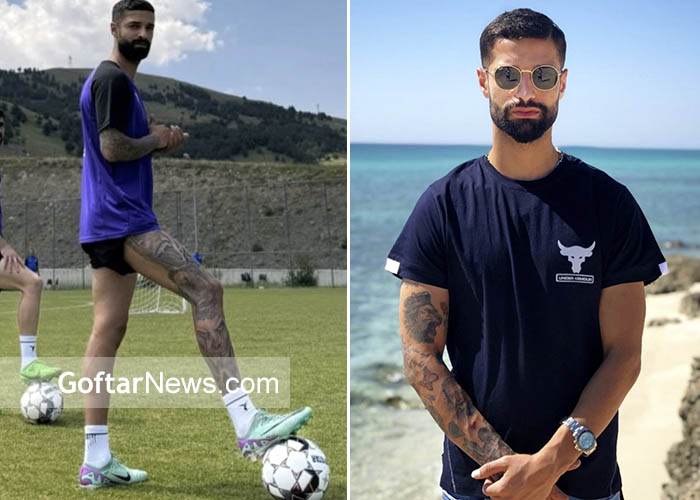
Armin Sohrabian’s Football Career: A Timeline of Success and Challenges
Armin Sohrabian, born on July 26, 1995, has made a name for himself as one of Iran’s most promising football talents. His journey began at the Sepahan Club Academy in 2011, where he quickly rose through the ranks to join the senior team in 2014. His early career was marked by success, as he played a key role in helping Sepahan secure the 2014-2015 Premier League title.
In July 2017, Sohrabian made a significant move to Esteghlal Tehran, signing a two-year contract with the club. His early days at Esteghlal were challenging, as he struggled to secure a regular starting position. However, his perseverance paid off when he made his debut against South Pars Jam during the 2017-2018 season. Over time, Sohrabian established himself as a crucial member of the team, particularly in defensive roles.
One of the highlights of Sohrabian’s career came during the Asian Champions League, where his performance against Zobahan was instrumental in Esteghlal’s advancement in the tournament. His ability to perform under pressure and his defensive skills made him a standout player in the league. However, despite these successes, Sohrabian’s career has also been marked by challenges, including injuries that temporarily sidelined him and now, the controversy surrounding his tattoos.
The Cultural Perception of Tattoos in Iranian Football
To fully understand the implications of Armin Sohrabian’s situation, it’s important to consider the broader cultural context in which this controversy is unfolding. In Iran, tattoos are often viewed with suspicion or disapproval, particularly by older generations and more conservative segments of society. This cultural perception is rooted in the belief that tattoos symbolize a departure from traditional values and an embrace of Western or rebellious attitudes.
In the realm of Iranian sports, these cultural norms are even more pronounced. Athletes are often seen as role models who are expected to uphold the moral and cultural standards of the country. This expectation extends beyond their behavior on the field to their personal lives and appearances. As a result, athletes with visible tattoos can face significant backlash, not only from the public but also from governing bodies like the ethics committee.
For Armin Sohrabian, this cultural backdrop creates a complex and challenging situation. His tattoos, which may be seen as a form of personal expression in other parts of the world, are perceived differently in Iran. The ethics committee’s decision to summon him is likely influenced by the broader cultural expectations placed on athletes and the desire to maintain the moral integrity of the sport in the eyes of the public.
More stories
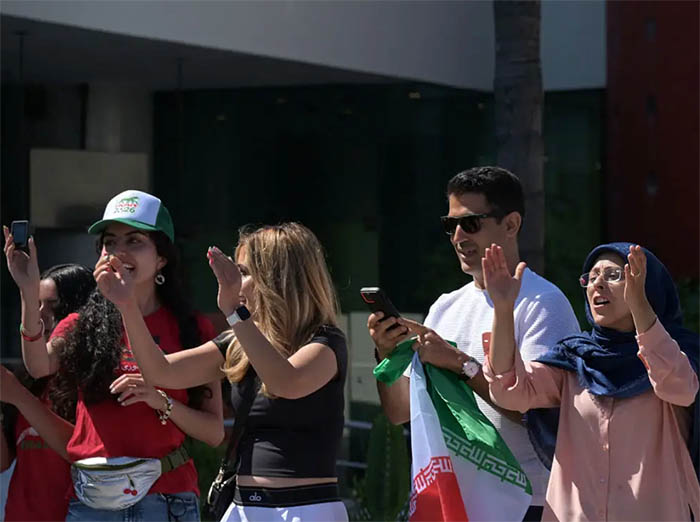
Islamic Republic National Football Team at FIFA World Cup 2026: Journey Before the Belgium Match
Introduction The FIFA World Cup 2026 has created unforgettable moments for football fans around the world, and the journey of … Continue reading ➝
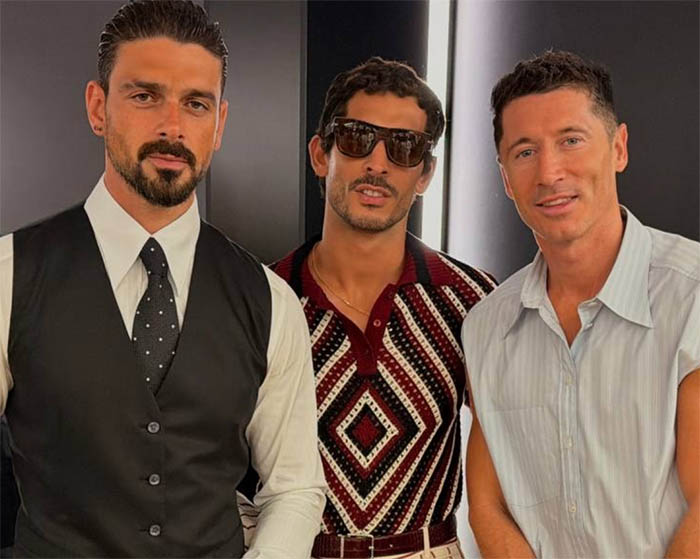
Yazdan Salmanian: The Model Making Waves at Dolce & Gabbana and Milan Fashion Week
Introduction The global fashion industry has always been a place where creativity, culture, identity, and personal ambition meet. Every year, … Continue reading ➝
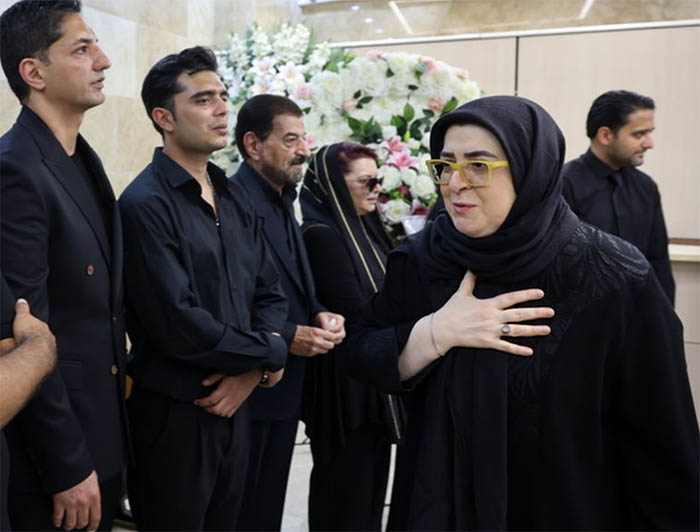
Funeral Ceremony of Behrouz Razavi in Tehran: Actors and Political Figures Attend Farewell of a Legendary Voice Artist
Introduction The funeral ceremony of veteran Iranian voice actor and radio presenter Behrouz Razavi was held in Tehran with the … Continue reading ➝
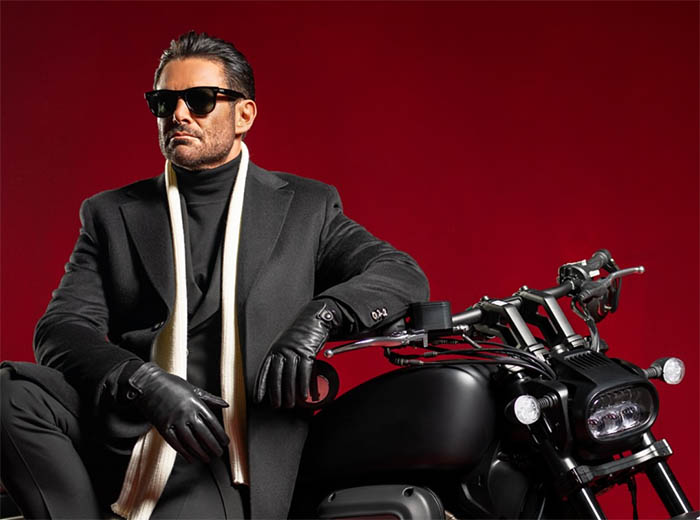
Mohammad Reza Golzar in New Collaboration: A Stylish Return to Fashion
Introduction The Iranian entertainment industry has once again turned its attention toward one of its most recognizable stars as actor … Continue reading ➝
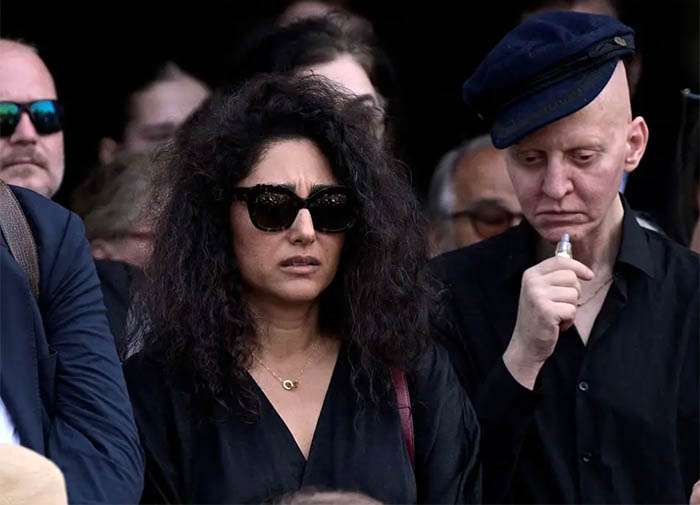
Golshifteh Farahani at Marjane Satrapi Funeral in Paris: Artists Remember the Legacy of Persepolis Creator
Introduction The world of cinema, literature, and visual storytelling came together in Paris to remember Franco-Iranian artist Marjane Satrapi, the … Continue reading ➝