Celebrating Kurdish Heritage: A Deep Dive into the Zakho Traditional Dress Festival

The Craftsmanship Behind the Beauty
The beauty of Kurdish traditional dress lies not only in its design but also in the skilled craftsmanship that goes into creating each garment. The Zakho festival highlighted the work of talented artisans who continue to practice traditional techniques passed down through generations.
- Embroidery: Hand embroidery is a cornerstone of Kurdish traditional dress. Intricate patterns, often with symbolic meanings, are meticulously stitched onto fabrics. The festival showcased the various embroidery styles unique to different regions.
- Weaving: Traditional weaving techniques are used to create the fabrics themselves, often from natural materials like cotton, silk, or wool. The quality and texture of the fabric are crucial to the overall look of the garment.
- Tailoring: Skilled tailors are essential in cutting and assembling the complex patterns of traditional Kurdish outfits. Their expertise ensures a proper fit and elegant drape.
- Accessory Creation: The festival also featured artisans who specialize in creating traditional accessories, such as silver or gold jewelry, beaded headwear, and decorative belts.
(Expansion Opportunity: To reach 2000 words, you could include profiles of specific artisans or families who are known for their traditional craft. You could discuss the challenges they face in keeping these traditions alive in a modern world and the importance of events like the festival in supporting their work. You could also delve into the history of specific textile techniques or the symbolism of certain patterns.)
The Cultural Significance of Wearing Traditional Dress
For Kurds, wearing traditional dress is more than just a fashion choice; it is a powerful act of cultural expression and identity.
- Celebrations and Special Occasions: Traditional dress is proudly worn during significant cultural events, weddings, festivals, and national holidays. It symbolizes joy, celebration, and a connection to heritage.
- Everyday Wear: In some rural areas, traditional dress is still worn as everyday attire, reflecting a strong connection to traditional lifestyles.
- Political and Social Statements: In some contexts, wearing traditional dress can be a subtle or overt political statement, asserting Kurdish identity and resistance.
- Passing Down Traditions: Parents and grandparents often teach younger generations about the significance of traditional dress and how to wear it properly, ensuring the continuation of these customs.
More stories
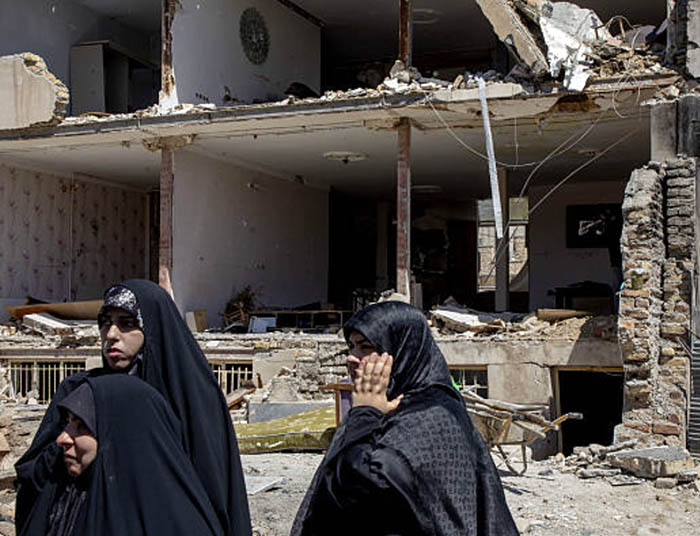
U.S.-Israeli Military Operations: Full Analysis of the 2026 Middle East Conflict
Introduction The escalating conflict involving United States, Israel, and Iran has rapidly evolved into one of the most dangerous geopolitical … Continue reading ➝
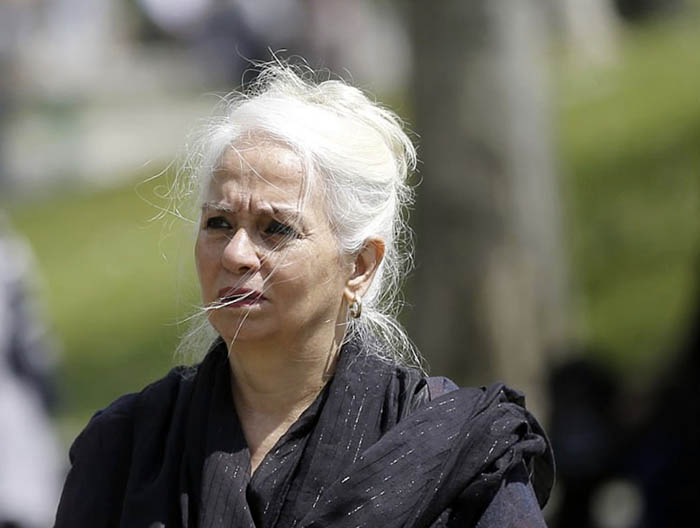
13 Bedar in Tehran: Celebrating Life on the Frontline of War
Introduction In the heart of Tehran, where headlines often speak of geopolitical tension, military escalation, and uncertainty, a different story … Continue reading ➝
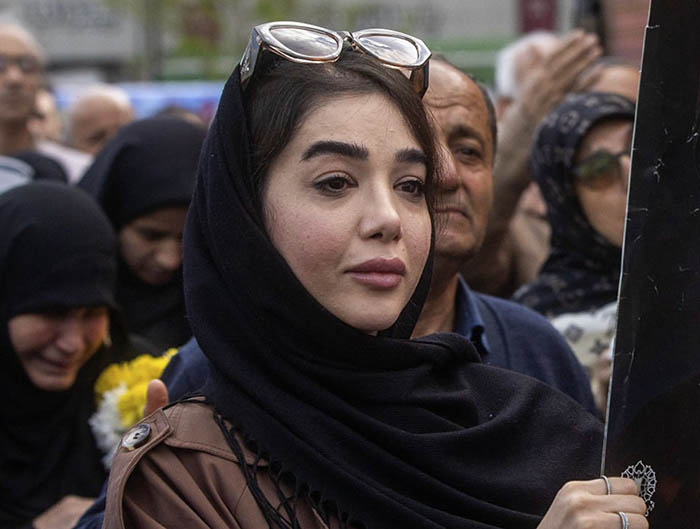
A Mournful Face at Tangsiri’s Funeral: Grief, Power, and Tension in Tehran
Introduction The image of a mournful face at the funeral of Alireza Tangsiri has become one of the most haunting … Continue reading ➝
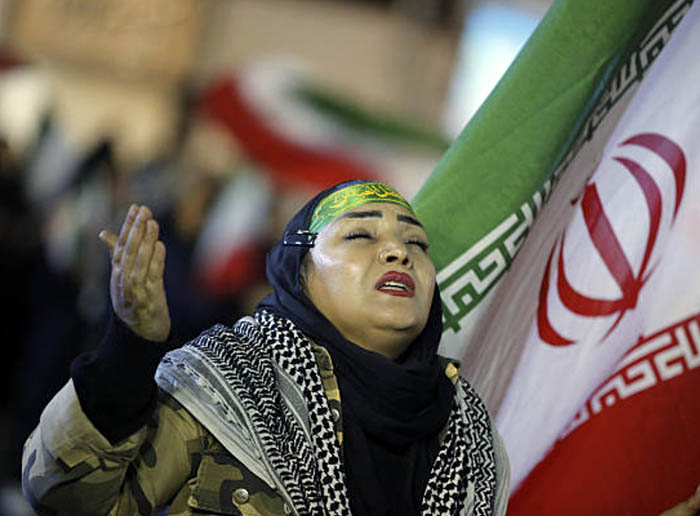
Israeli and U.S. Attacks on Spark Mass Protests in Tehran: Rising Middle East Tensions in 2026
Introduction In a dramatic escalation of tensions in the Middle East, mass protests erupted in Tehran following reports of coordinated … Continue reading ➝
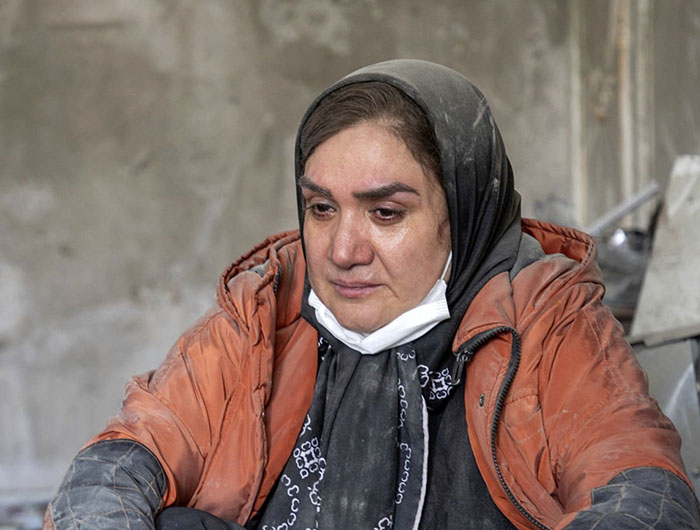
The Sorrow of Destruction in West Tehran: Inside the Human Cost of the War
Introduction The city of Tehran woke to devastation on March 30, 2026. In the western districts of Iran’s capital, residential … Continue reading ➝