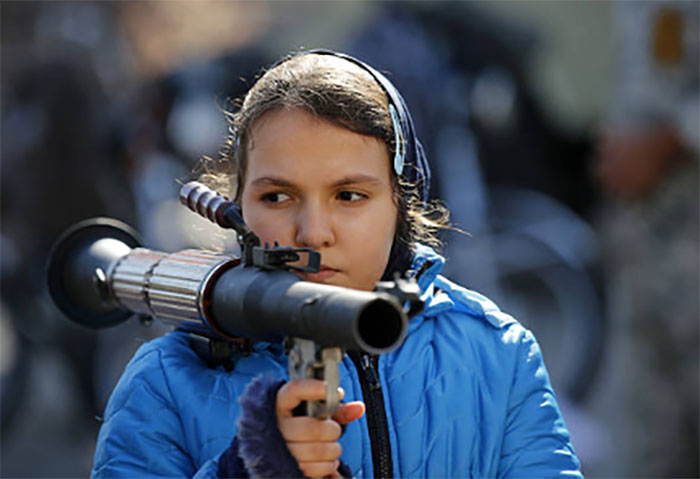
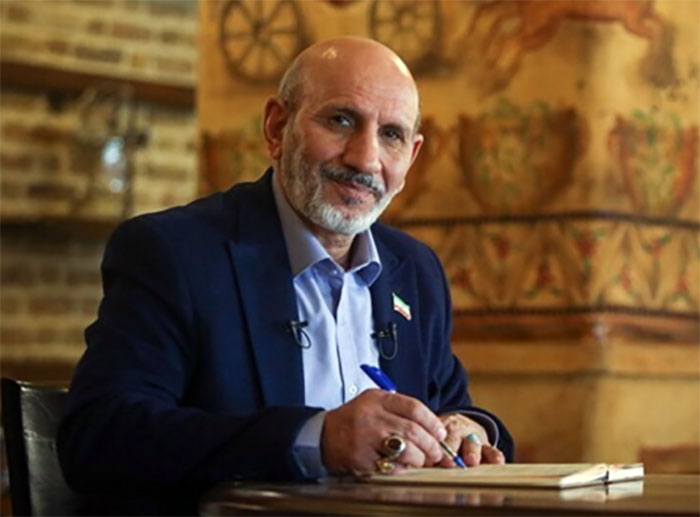
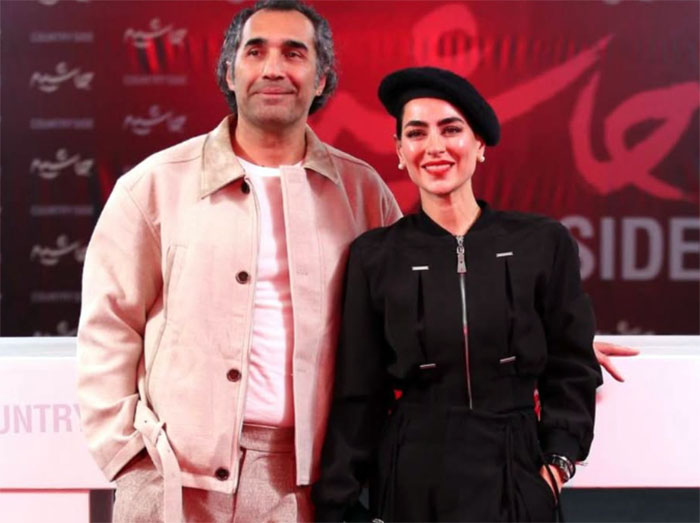
Women Military Training Center Opens in Tehran as Janfada Volunteers Receive Firearms and Military Training
Final Analysis
The opening of the women’s Janfada military training center in Tehran represents a striking development in Iran’s wartime mobilization campaign.
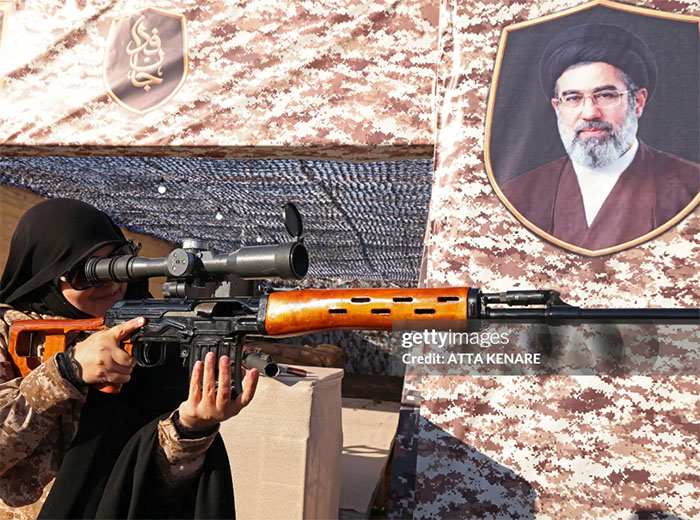
The event is particularly significant because of the range of capabilities reportedly included in the training: firearms, military exercises, UAVs, multiple rocket launchers, air-defense systems, survival preparation and emergency response.
The program also carries a powerful symbolic message.
Iran is presenting women as active participants in national defense at a moment when the country remains under severe military and economic pressure.
Yet the timing is equally important.
The training center opened at the same moment that diplomatic activity surrounding the conflict appeared to be increasing.
The United States has signaled that renewed strikes may be unlikely if negotiations progress.
Iran has called for Washington to accept its conditions for reopening the Strait of Hormuz.
Qatar and other regional actors are working to facilitate diplomacy.
At the same time, Iran continues to demonstrate military readiness.
The result is a complicated picture in which preparation for war and preparation for peace are taking place simultaneously.
For Iran, the Janfada initiative can be understood as part of a broader effort to demonstrate national resilience and civilian participation.
For international observers, the program provides an unusual window into how modern states can expand military preparedness beyond traditional armed forces.
For women participating in the initiative, it represents an opportunity to take a more visible role in the country’s response to the conflict.
And for the wider world, the event is another reminder that the future of the Iran conflict remains uncertain.
The most important question now is whether diplomatic momentum can produce a sustainable agreement.
If Washington and Tehran reach an arrangement concerning sanctions, the nuclear issue, military activity and the Strait of Hormuz, the regional environment could change rapidly.
If negotiations fail, the military preparedness demonstrated in Tehran could become increasingly important.
The images of women training at Azadi Square therefore carry significance beyond the immediate event.
They capture a country preparing for continued uncertainty while simultaneously facing the possibility of diplomatic change.
The Janfada women’s military training center has become one of the most visible symbols of Iran’s wartime mobilization in late 2026.
It represents a combination of national defense, civilian participation, military technology, women’s involvement, emergency preparedness and geopolitical signaling.
And as the world watches negotiations over the Strait of Hormuz and the future of the Iran-US conflict, those images from Tehran are likely to remain an important part of the story.