Women Firefighters of Fars Province: Celebrating Fire and Safety Day on 7th Mehr
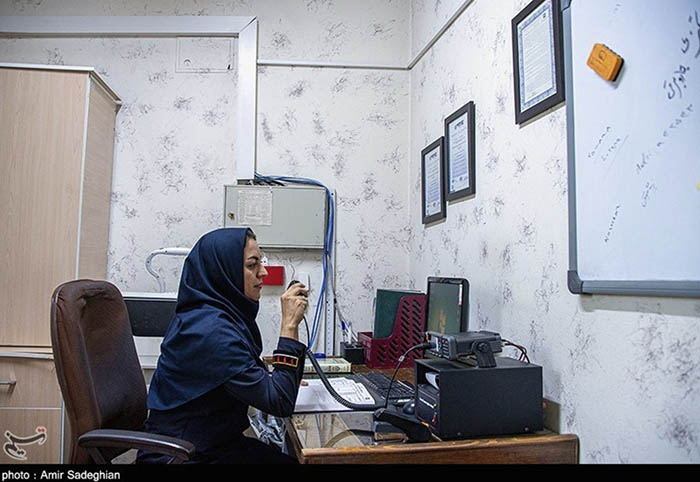
The Historical Context: Women in Firefighting Globally and in Iran
The Evolution of Women’s Participation in Firefighting
Globally, women have historically been underrepresented in firefighting. Traditionally, firefighting was seen as a physically demanding, male-dominated profession. However, with societal progress, many countries have begun integrating women into fire brigades, rescue teams, and emergency response units.
In the United States, women first joined fire departments as volunteers in the late 19th century, with some departments officially recruiting women in the mid-20th century. Their roles initially included administrative work, but over time, they became active firefighters, paramedics, and rescue specialists.
In Europe, countries like the UK and France also saw a gradual increase in women firefighters, with dedicated recruitment campaigns, gender-specific training programs, and recognition of women’s unique contributions.
The Situation in Iran
In Iran, women’s participation in firefighting has been a gradual process, influenced by cultural norms, societal perceptions, and governmental policies. Since the 1990s, efforts have been made to empower women within the emergency services sector, including specialized training and the establishment of women-only fire stations.
The Iran Fire Service Organization (IFSO) has played a critical role in fostering gender inclusion, recognizing that women firefighters bring unique skills such as empathy, attention to detail, and resilience. Today, women serve in various roles—from administrative positions to active firefighting, rescue, and first aid.
The establishment of Women Fire Stations in Fars Province and other regions symbolizes this progress and reflects Iran’s commitment to gender equality and inclusive emergency response.
September 29, 2025 | 5:04 pmMore stories
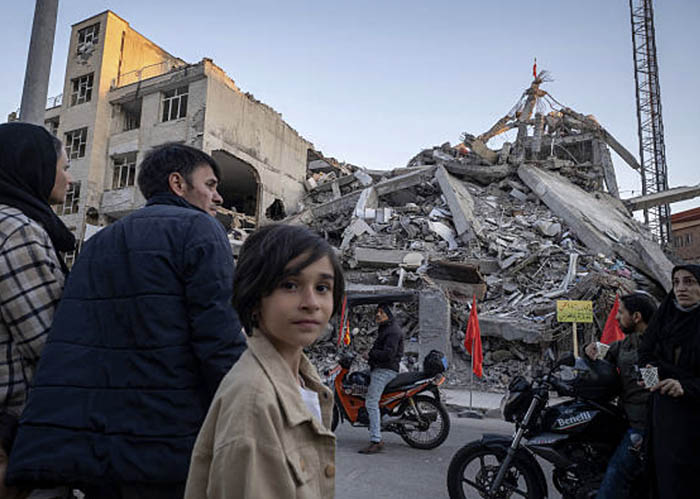
The Islamic Republic’s Instrumental Misuse of War Ruins: Propaganda
Introduction In the aftermath of the March 9 military strikes attributed to joint U.S.-Israeli operations, parts of residential Tehran were … Continue reading ➝
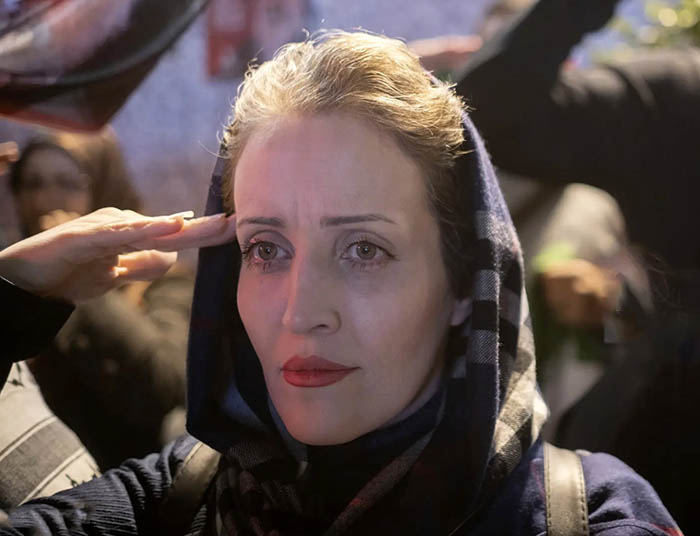
Iran Funeral Ceremony 2026: Rising Tensions After Killing of IRGC Intelligence Chief Majid Khademi
Introduction The funeral ceremony of Majid Khademi, the head of the Islamic Revolutionary Guard Corps (IRGC) Intelligence Organization, has become … Continue reading ➝
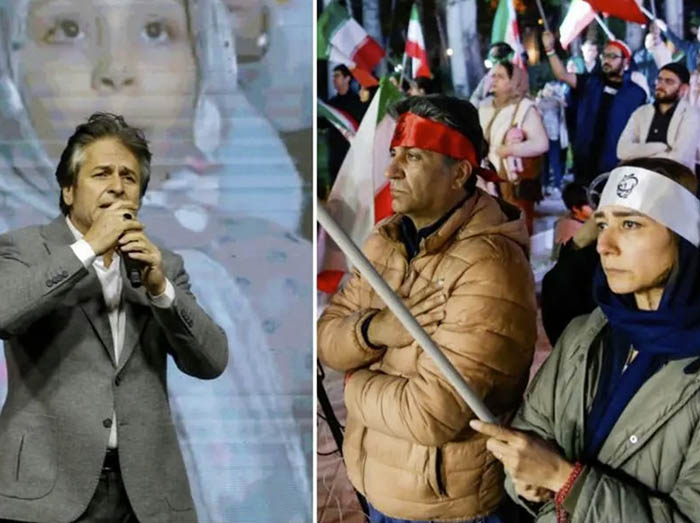
Tajik and Zanko Street Concert in Ferdows Garden: A Powerful Musical Tribute
Introduction On the evening of Tuesday, 18 Farvardin 1405, Ferdows Garden became the heart of an unforgettable cultural moment in … Continue reading ➝
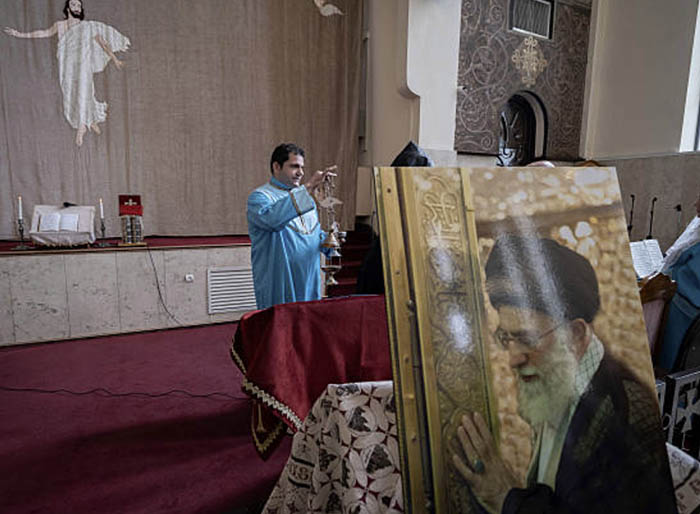
Prayer Ceremony for Late Supreme Leader Ali Khamenei, The bloodthirsty dictator Amid Ceasefire Tensions
Introduction The death of Ali Khamenei on April 8, 2026, has sent shockwaves across Iran and the wider Middle East, … Continue reading ➝
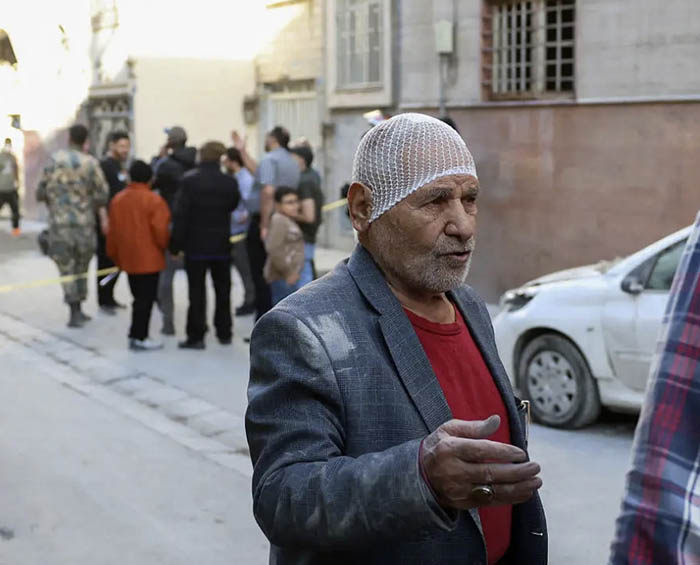
Israeli-American Strikes in Tehran 2026: Synagogue Destroyed Amid Escalating War
Introduction The ongoing conflict between Iran, Israel, and the United States has reached a devastating new chapter. On April 7, … Continue reading ➝