War Conflict and the Hijab: The Role of Women in Socio-Political Movements
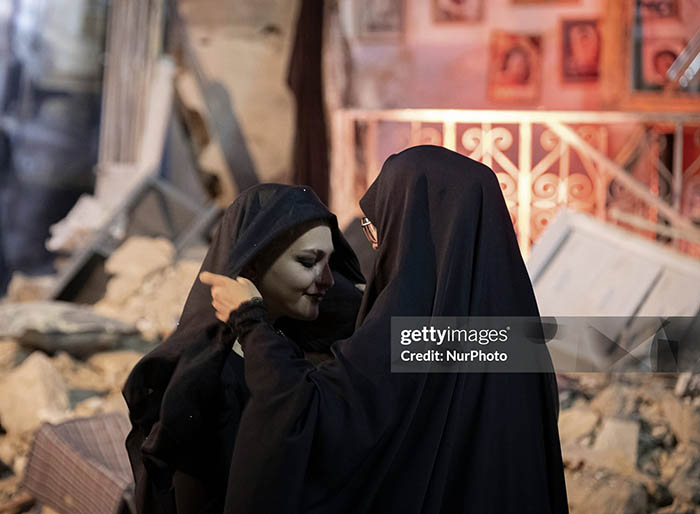
Section 7: Broader Geopolitical Implications
7.1 Iran’s Strategic Position
Iran’s leadership uses external threats to justify internal policies promoting Islamic values and social cohesion.
7.2 Regional Alliances and Conflicts
The Iran-Israel rivalry influences alliances with Hezbollah, Hamas, and other regional actors, shaping broader Middle Eastern stability.
7.3 Global Responses
Western countries’ sanctions and diplomatic pressures impact Iran’s internal dynamics, influencing societal attitudes and activism.
August 7, 2025 | 4:21 pmMore stories
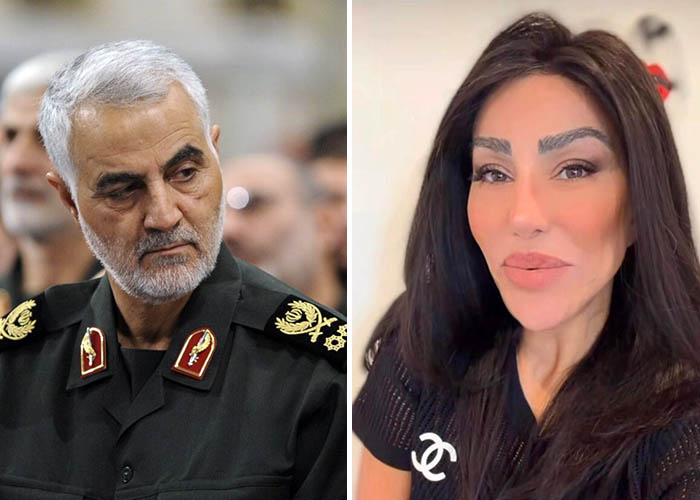
US State Department Arrests Relative of Qassem Soleimani: Immigration Crackdown, National Security Concerns
Introduction The recent announcement by the United States Department of State regarding the arrest and revocation of permanent residency for … Continue reading ➝
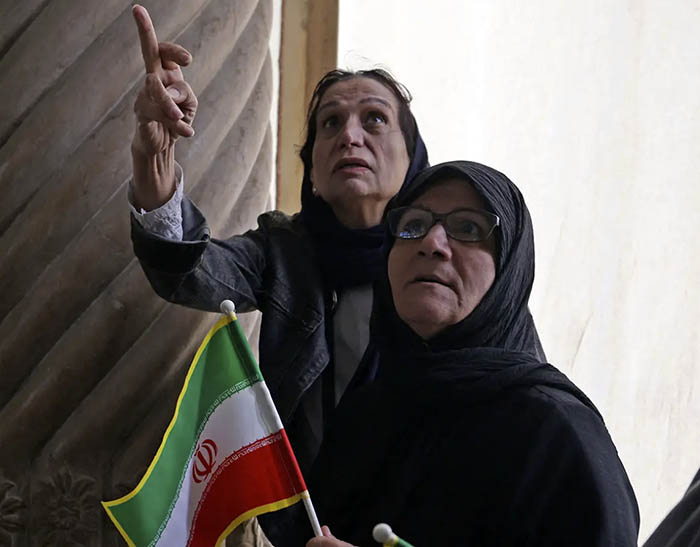
Damage to Golestan Palace Amid Iran–Israel–US Conflict: Cultural Heritage at Risk
Introduction The unfolding Iran–Israel–US conflict in 2026 has not only intensified geopolitical tensions in the Middle East but has also … Continue reading ➝
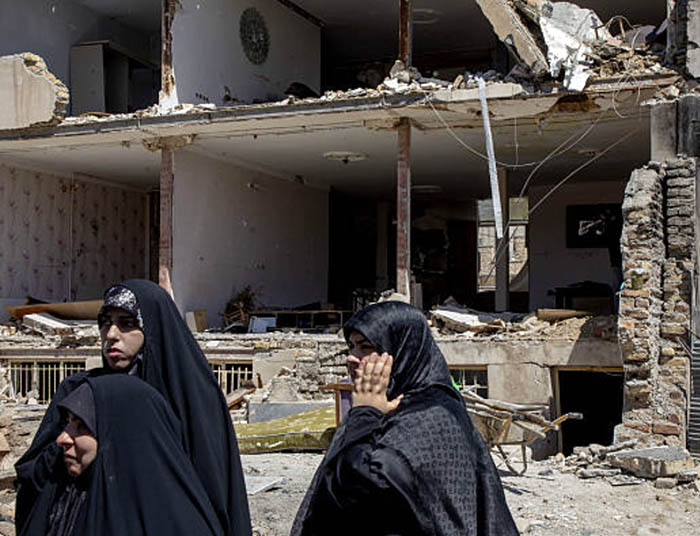
U.S.-Israeli Military Operations: Full Analysis of the 2026 Middle East Conflict
Introduction The escalating conflict involving United States, Israel, and Iran has rapidly evolved into one of the most dangerous geopolitical … Continue reading ➝
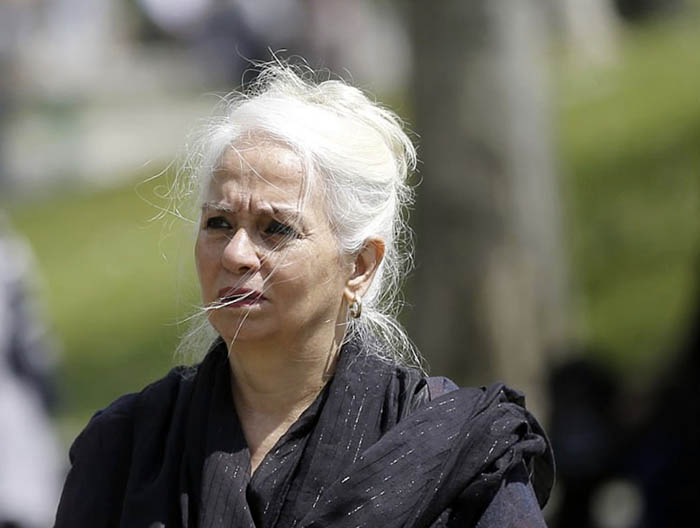
13 Bedar in Tehran: Celebrating Life on the Frontline of War
Introduction In the heart of Tehran, where headlines often speak of geopolitical tension, military escalation, and uncertainty, a different story … Continue reading ➝
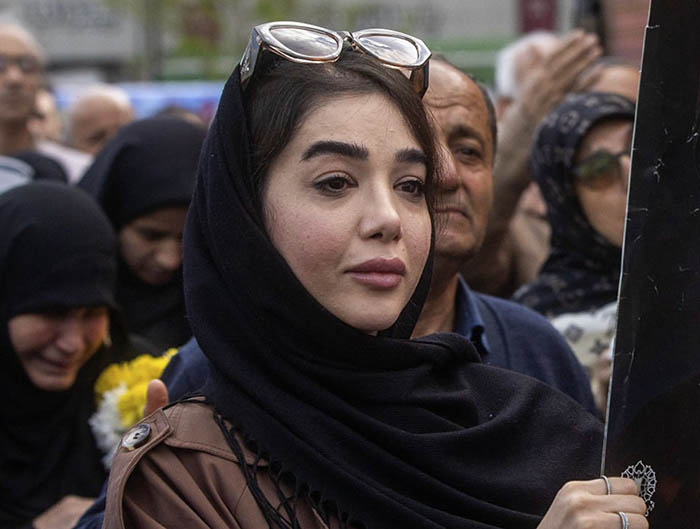
A Mournful Face at Tangsiri’s Funeral: Grief, Power, and Tension in Tehran
Introduction The image of a mournful face at the funeral of Alireza Tangsiri has become one of the most haunting … Continue reading ➝