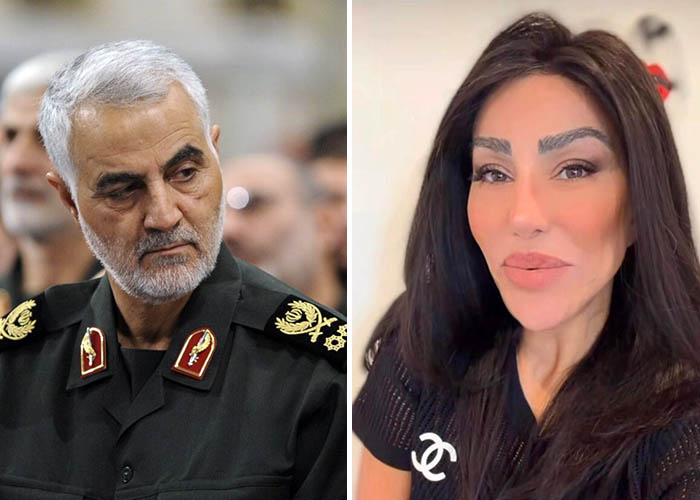
US State Department Arrests Relative of Qassem Soleimani: Immigration Crackdown, National Security Concerns

Broader Implications for Immigrants in the United States
This case has broader implications for immigrants and permanent residents across the United States. It raises important questions about the balance between national security and individual rights.
Many immigrants may wonder how their online activity could be interpreted by authorities and whether expressing certain political views could jeopardize their legal status.
The case also highlights the increasing role of digital evidence in legal and immigration proceedings. Social media platforms have become a critical source of information for authorities, but they also present challenges in terms of context, authenticity, and interpretation.
Conclusion
The arrest of Hamida Soleimani Afshar and her daughter represents a complex intersection of immigration law, national security, and international politics. It underscores the ongoing tensions between the United States and Iran, as well as the challenges of addressing perceived threats in an increasingly interconnected world.
While the US government emphasizes the need to protect its citizens and interests, critics caution against actions that may undermine civil liberties or set concerning precedents.
As the case unfolds, it will likely continue to attract attention from policymakers, le
The case of Hamida Soleimani Afshar is more than just an isolated legal matter. It represents a convergence of critical issues, including national security, immigration law, digital expression, and international relations.
As the situation develops, it will continue to draw attention from across the political and legal spectrum. Its outcome may help define the boundaries of acceptable conduct for permanent residents and clarify the role of social media in legal proceedings.
In an era where information travels instantly and global connections are stronger than ever, cases like this highlight the challenges of balancing security with freedom. The decisions made in this case will likely resonate far beyond the individuals directly involved, shaping policy and debate for years to come.
gal experts, and the public alike. Its outcome could have lasting implications not only for those directly involved but also for the broader framework of US immigration and national security policy.