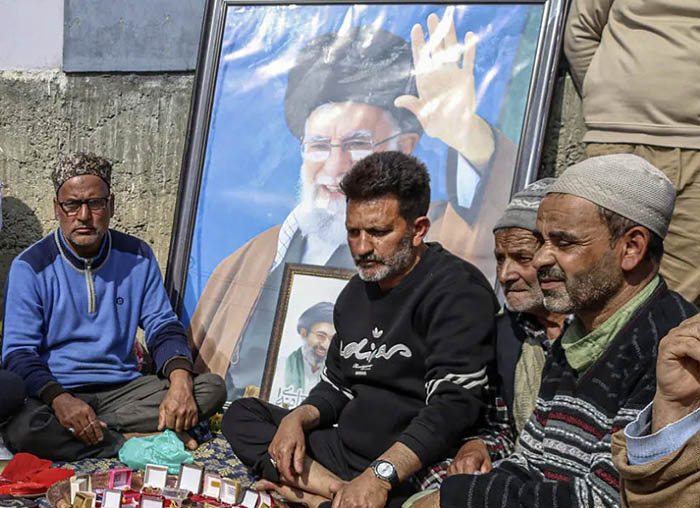
Tributes to Ali Khamenei Outside Embassies in Moscow and Bishkek After U.S.–Israel Strikes
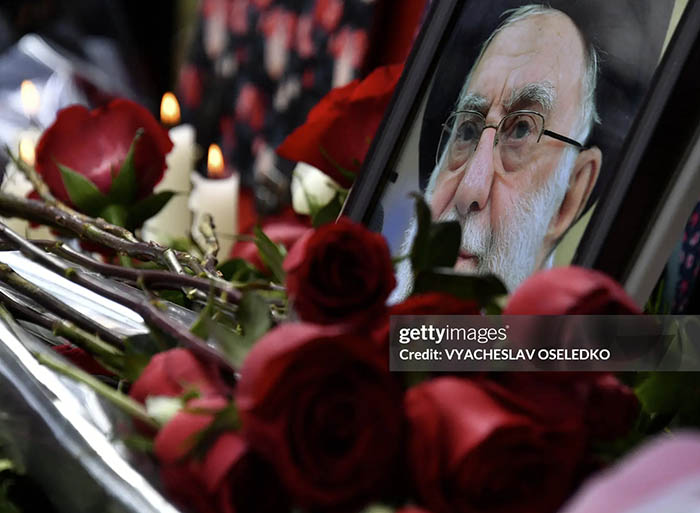
Conclusion: A Defining Moment in Middle East Geopolitics
The tributes left outside the Iranian embassies in Moscow and Bishkek following the reported death of Ayatollah Ali Khamenei reflect far more than individual acts of mourning. They symbolize a historic geopolitical turning point triggered by the escalating confrontation between the United States, Israel, and Iran.
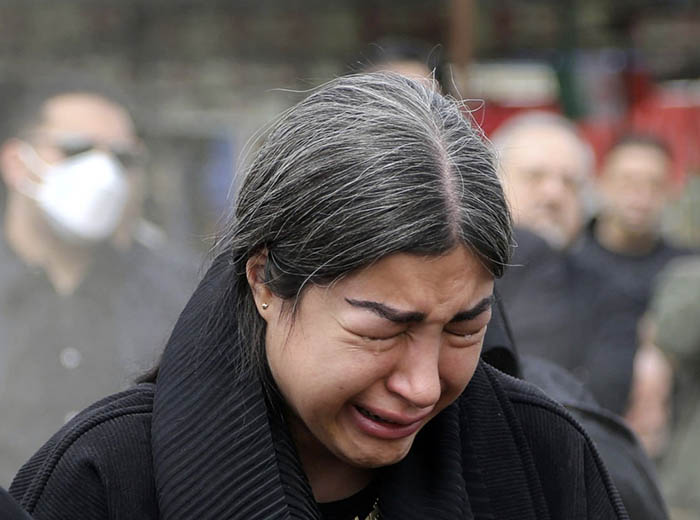
The portraits, flowers, and quiet moments of reflection outside diplomatic missions demonstrate how deeply globalized modern conflict has become. A military strike in the Middle East now resonates instantly across Eurasia, influencing political discourse, diplomatic relations, and public sentiment thousands of miles away. Embassy memorials, while symbolic, underscore the magnitude of the event and its potential to reshape regional alliances and global power dynamics.
Khamenei’s death marks the end of an era in Iranian politics. For more than three decades, he was a central architect of Iran’s domestic governance and foreign policy strategy. His leadership shaped Iran’s nuclear negotiations, regional alliances, and ideological positioning on the world stage. With his passing, uncertainty surrounds Iran’s political transition, the stability of its governing institutions, and the trajectory of its military response.
The memorials in Moscow and Bishkek also highlight the broader diplomatic implications. Russia’s longstanding strategic relationship with Iran places it in a delicate position as tensions escalate. Central Asian states, meanwhile, must balance regional stability concerns while maintaining ties with global powers. The visual imagery of tributes outside embassies serves as a reminder that diplomatic missions are not just political outposts—they are symbolic spaces where global events manifest locally.
As the Iran–US–Israel conflict continues to unfold, the world watches for signs of de-escalation or further confrontation. Key concerns include potential regional expansion of hostilities, energy market volatility, international law debates, and humanitarian consequences. The response of global powers in the coming weeks will likely determine whether this moment becomes a contained crisis or the beginning of a broader geopolitical realignment.
Ultimately, the tributes left near Iranian embassies are emblematic of a world at a crossroads. They capture the intersection of grief, politics, and international tension—marking a pivotal chapter in Middle East history and global diplomacy.