The Ultimate Guide to the 8 Best Cheeses for Body Health: Heart Health, Weight Control, and Nutritional Benefits
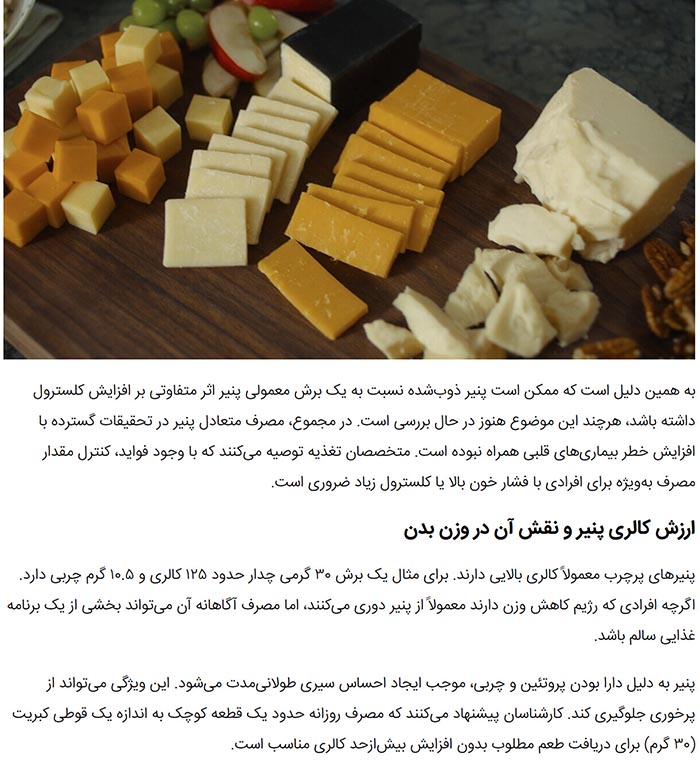
The Dairy Matrix Effect: Rethinking Cheese and Heart Disease Risk
The traditional view that saturated fat in cheese directly elevates heart disease risk has been challenged by emerging research emphasizing the importance of the dairy matrix effect. This concept highlights that the health impact of cheese depends not solely on its saturated fat content but on the complex interplay of nutrients and structural components within the cheese.
The dairy matrix refers to the physical and chemical structure of cheese that influences how nutrients are digested, absorbed, and metabolized. Unlike isolated saturated fats found in processed foods, the fats embedded within cheese are embedded in a matrix of proteins, minerals, and other bioactive compounds. This matrix can modify the way fats are processed by the body, often leading to neutral or even beneficial effects on cardiovascular health.
The Role of Fermentation and Microbiota
Fermented cheeses, such as blue cheese, feta, and aged varieties like Parmesan, contain live bacteria that can positively influence gut microbiota. A healthy microbiome has been linked to reduced systemic inflammation and improved lipid profiles, both of which are vital for heart health.
The Importance of Portion Control and Quality
While moderate cheese consumption may be beneficial, excessive intake of high-fat, processed cheeses can still contribute to increased saturated fat and salt intake, raising the risk of hypertension and cardiovascular disease. Choosing high-quality, minimally processed cheeses and controlling portion sizes are key strategies.
The evolving understanding of the dairy matrix effect suggests that cheese, when consumed appropriately, can be part of a heart-healthy diet. Its beneficial nutrients—calcium, potassium, magnesium, and probiotics—may counterbalance the effects of saturated fats, especially in traditional, unprocessed varieties.
In conclusion, the focus should shift from demonizing saturated fat alone to appreciating the holistic nutritional profile of cheese and its structural properties. This perspective encourages a balanced approach, emphasizing moderation, food quality, and overall dietary patterns to promote cardiovascular health.
November 21, 2025 | 9:39 pm