The Strategic Significance of USS Abraham Lincoln and High-Level Visits Amid Nuclear Negotiations
The Role of the U.S. Navy in Middle East Security
Strategic Objectives of U.S. Naval Presence
The United States Navy maintains a robust and dynamic presence in the Middle East, primarily through carrier strike groups, amphibious ready groups, and submarine deployments. The overarching goal is to ensure freedom of navigation, protect maritime trade routes, and serve as a credible deterrent against regional adversaries, notably Iran.
Carrier strike groups, comprising an aircraft carrier, cruisers, destroyers, submarines, and aircraft squadrons, are the centerpiece of U.S. naval power projection. These forces can rapidly respond to crises, conduct maritime security operations, and support diplomatic efforts through show-of-force or presence missions.
USS Abraham Lincoln: A Strategic Asset
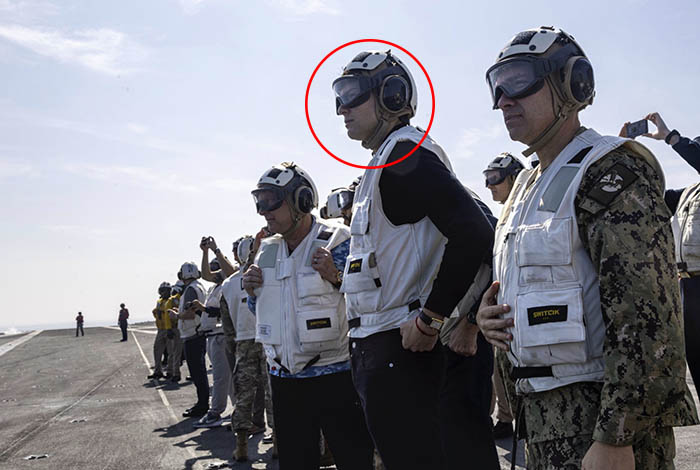
Commissioned in 1989, USS Abraham Lincoln (CVN-72) stands as one of the most potent symbols of U.S. military capability. As a Nimitz-class nuclear-powered aircraft carrier, it can operate for extended periods without refueling, providing unparalleled operational endurance. Its impressive flight deck supports over 60 aircraft, including fighter jets, electronic warfare planes, and reconnaissance aircraft.
Throughout its operational history, USS Abraham Lincoln has participated in numerous conflicts, humanitarian missions, and diplomatic deployments. Its current stationing in the Middle East underscores its importance in regional stability and U.S. strategic interests.
February 7, 2026 | 6:13 pm