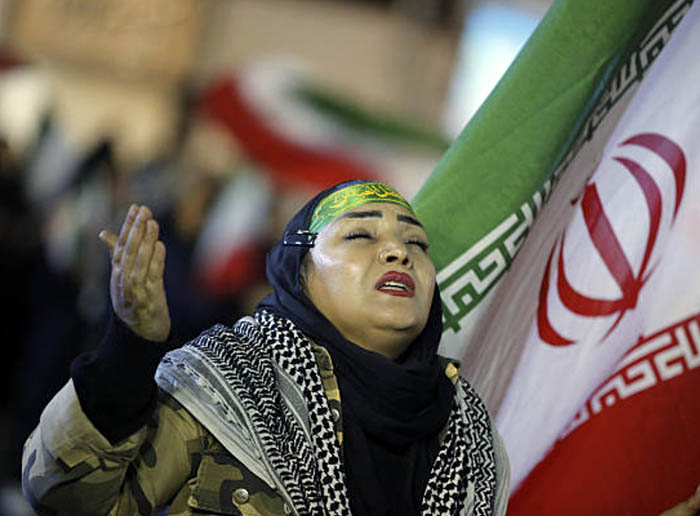
The Noon of Ashura: A Deep Dive into the Unique Cultural, Religious, and Exotic Mourning Ceremonies
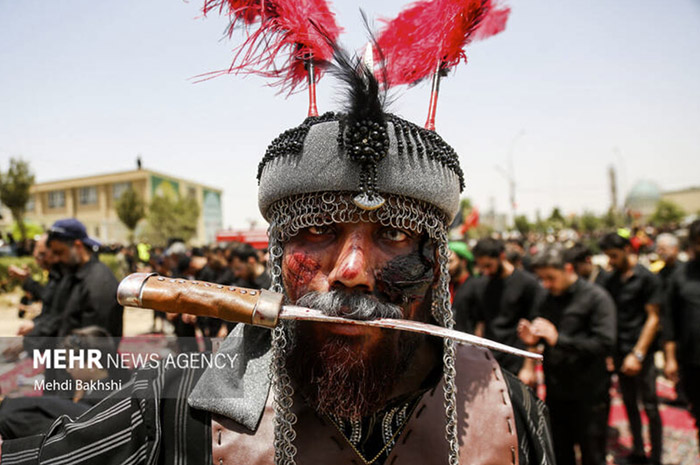
Chapter 1: The Significance of Ashura in Iran
Historical and Religious Foundations
The significance of Ashura in Iran is rooted in the historical tragedy of Karbala, where Imam Hussain (AS) and his companions faced martyrdom at the hands of the Umayyad Caliph Yazid I. For Shia Muslims, Imam Hussain symbolizes resistance against tyranny, justice, and the eternal struggle for righteousness. His sacrifice is seen as a pinnacle of faith and defiance, a message that resonates deeply within Iranian cultural and religious identity.
Over centuries, Iranian scholars and poets have celebrated Imam Hussain’s sacrifice through poetry, art, and religious gatherings. The event of Ashura has become a symbol of resistance, moral integrity, and spiritual resilience—values that have sustained Iran through periods of upheaval, invasion, and revolution.
Cultural Legacy
Iranian culture has transformed Ashura from a purely religious event into a profound cultural phenomenon. It intertwines history, spirituality, art, and social activism. The rituals serve not only as acts of devotion but also as expressions of national identity and cultural pride. The mourning ceremonies provide a space for collective remembrance, emotional catharsis, and community bonding.
July 6, 2025 | 4:45 pm