The Noon of Ashura: A Deep Dive into the Unique Cultural, Religious, and Exotic Mourning Ceremonies
Mourning Rituals and Practices During Ashura in Iran
Processions and Street Mourning
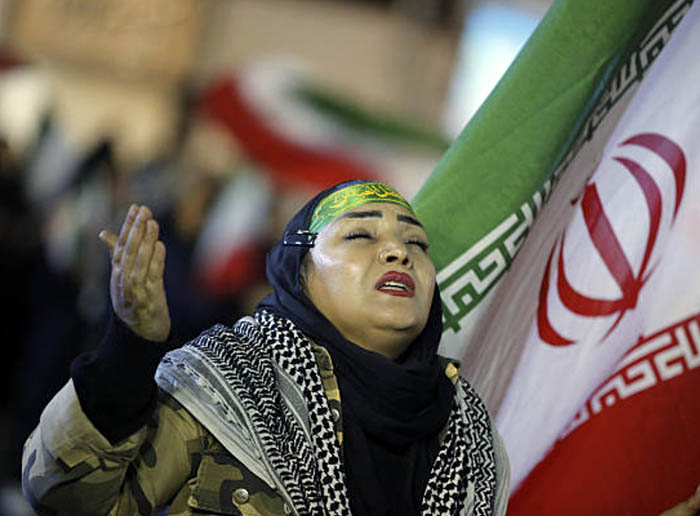
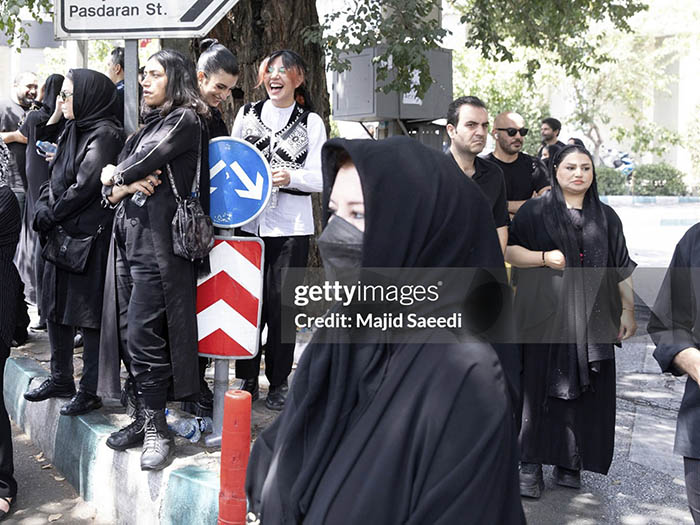
One of the most striking features of Ashura in Iran is the large-scale processions that wind through city streets. Participants, dressed in black as a symbol of grief, carry banners, flags, and images of Imam Hussein. These processions often include recitations of elegies (latmiyah and marsiya), poetry that mourns Imam Hussein and his companions.
In Tehran, cities like Mashhad, Qom, Isfahan, and Karbala witness thousands of mourners participating in these processions. The streets are decorated with banners and symbols representing the Battle of Karbala, and participants chant slogans such as “Ya Hussein,” expressing their love and devotion.
Ritual Self-Flagellation and Chest Beating
A traditional practice observed during Ashura involves self-flagellation (zanjeer zani) and chest beating (matam). Participants use chains with blades or sharp objects to gently flagellate themselves, expressing grief and solidarity with Imam Hussein’s suffering. This act serves as a physical manifestation of mourning and remembrance.
While controversial, these rituals are deeply rooted in Shiite tradition and are seen as acts of devotion. Many Iranian men and women participate in these rituals at mosques, shrines, and designated mourning sites.
Tazieh and Passion Plays
In Iran, religious plays known as tazieh dramatize the events of Karbala, depicting Imam Hussein’s martyrdom and the suffering of his family. These passion plays are performed during Muharram, especially on the days leading up to Ashura, and serve as a powerful visual and emotional reminder of the tragedy.
The performances are often held in open-air theaters, mosques, and community centers, attracting large audiences. They include music, poetry, and dramatic reenactments that evoke deep emotional responses.
Recitation of Elegies and Matam
Mourning gatherings in Iran also include recitation of elegies (marsiya and latmiyah) that narrate the virtues of Imam Hussein, his bravery, and his unwavering faith. Renowned reciters and scholars lead these sessions, which are held in mosques, religious centers, and homes.
The recitations are accompanied by the beating of drums and the collective chanting of religious slogans, creating an atmosphere of solemnity and unity.
July 6, 2025 | 4:45 pm