The Noon of Ashura: A Deep Dive into the Unique Cultural, Religious, and Exotic Mourning Ceremonies

Chapter 2: Traditional Mourning Practices Across Iran
The Core Rituals
- Majlis (Gatherings): Religious gatherings where elders, scholars, and community members recite poetry, narrate the events of Karbala, and lament Imam Hussain’s martyrdom.
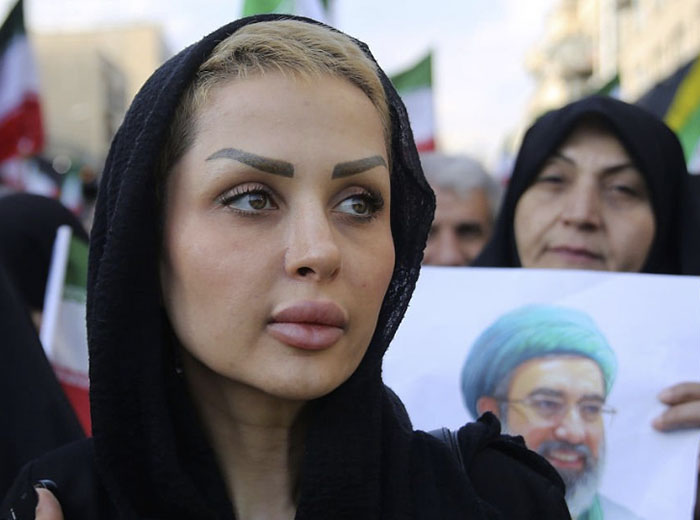
- Processions: Organized marches through city streets, often lasting several hours, with participants holding banners, flags, and images of Imam Hussain.
- Ta’ziyeh: The theatrical reenactment of the Battle of Karbala, which combines storytelling, music, costumes, and symbolism to dramatize the martyrdom.
Regional Variations
Different regions of Iran have developed their own styles of mourning, influenced by local culture, ethnicity, and history:
- Shiraz and Isfahan: Known for their elaborate Ta’ziyeh performances, featuring intricate costumes and poetic recitations.
- Kermanshah and Lorestan: Incorporate tribal music, dance, and colorful costumes into their processions.
- Qom and Mashhad: Focus on scholarly sermons and silent processions, emphasizing spiritual reflection.
- Yazd: Known for its unique use of fire and light in ceremonies, blending Zoroastrian elements with Islamic mourning.