The Global Response to Protests: A 2026 Perspective
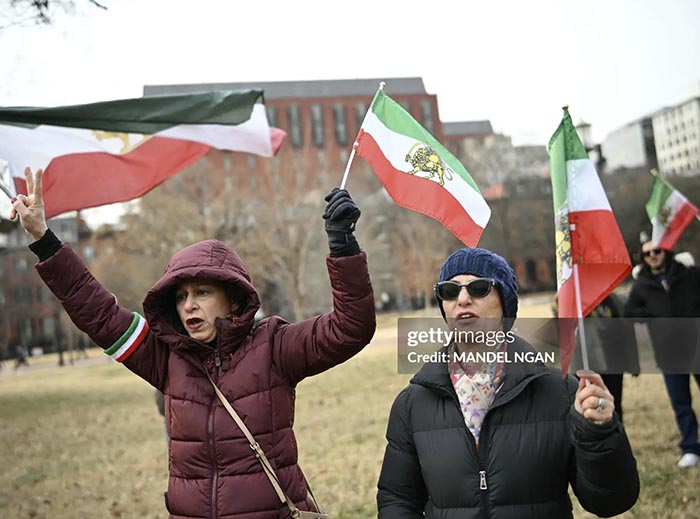
Implications for U.S. Relations
The historical context of U.S.-Iran relations is marked by tension and conflict. Key events, such as the 1953 coup that overthrew Iran’s democratically elected government and the 1979 hostage crisis, have shaped the current dynamic. The protests in January 2026 have the potential to complicate ongoing diplomatic efforts, particularly regarding nuclear negotiations and sanctions relief. As the U.S. grapples with its response to the protests, the possibility of increased tensions and military posturing in the region looms large. The Iranian regime’s crackdown on dissent may lead to a hardening of U.S. positions, further straining relations between the two countries.
More stories
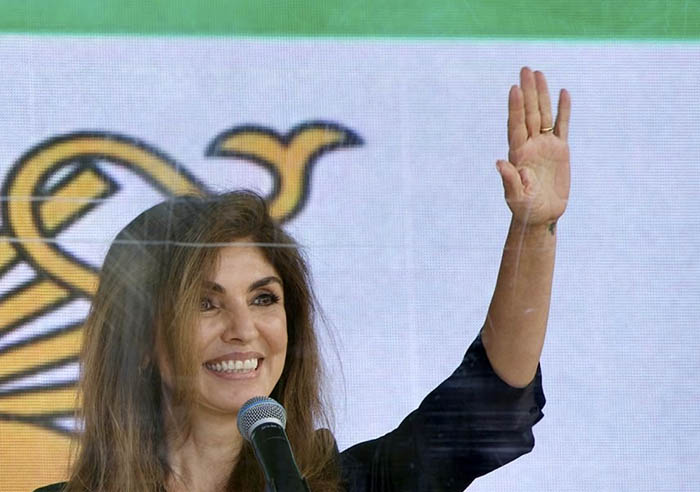
US–Israel–Iran War Demonstration in Washington, DC: Iranian Diaspora Rally for Freedom
Introduction On March 29, 2026, thousands gathered on the National Mall in Washington, DC near the iconic US Capitol to … Continue reading ➝
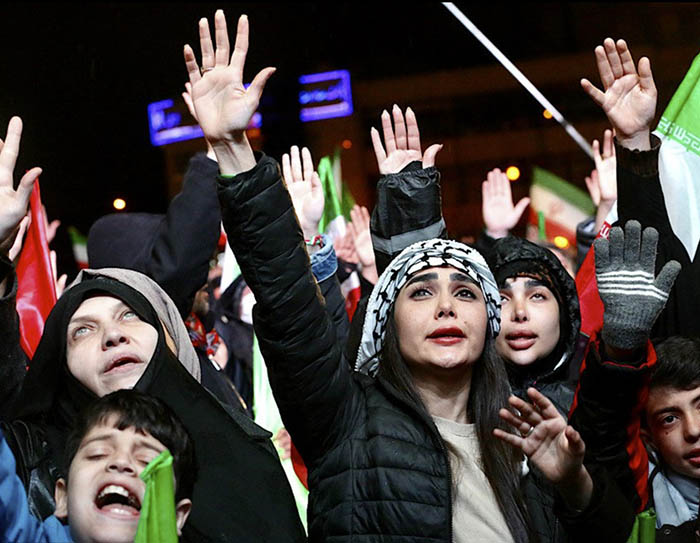
Night Gatherings in Tehran During Wartime in Vanak and the Transformation of Urban Space
Introduction Night gatherings in Tehran during wartime have become a significant aspect of urban life, particularly in central districts such … Continue reading ➝
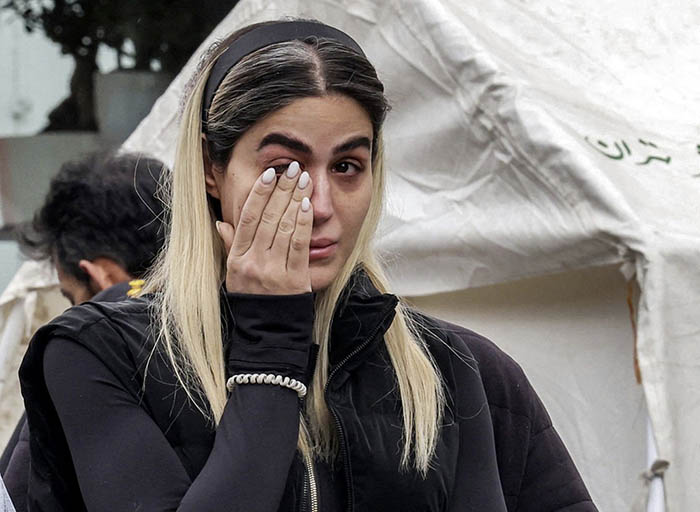
Missile Strike on Al-Arabi TV Office in Tehran Amid Escalating Iran–Israel Conflict
Introduction The rapidly escalating tensions in the Middle East reached a dramatic and alarming turning point as a missile strike … Continue reading ➝
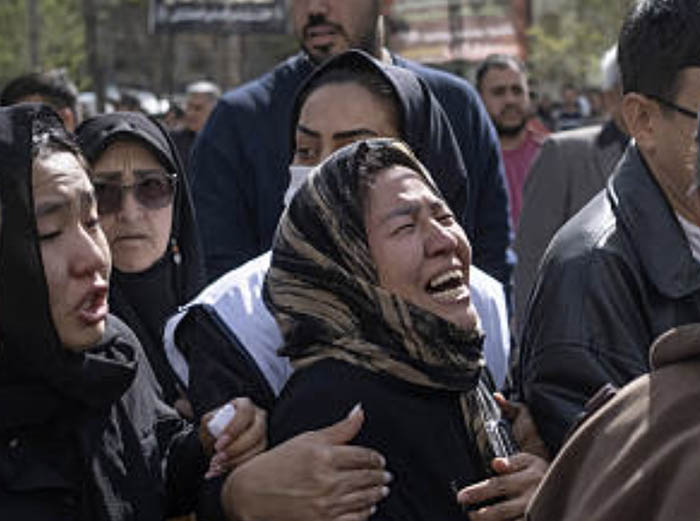
Despair in Afghan Neighborhood in Southern Tehran After Devastating Bombing
Introduction The narrow streets of an Afghan neighborhood in southern Tehran have fallen into a silence that feels heavier than … Continue reading ➝
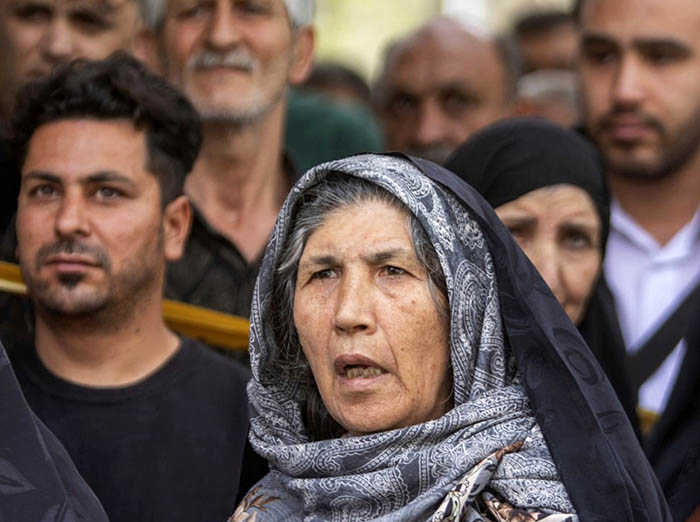
Residents in Shock After Missile Strikes Devastate Homes in Ray Amid Escalating War
Introduction Residents of Ray, a historic city just south of Tehran, woke to scenes of devastation and disbelief after midnight … Continue reading ➝