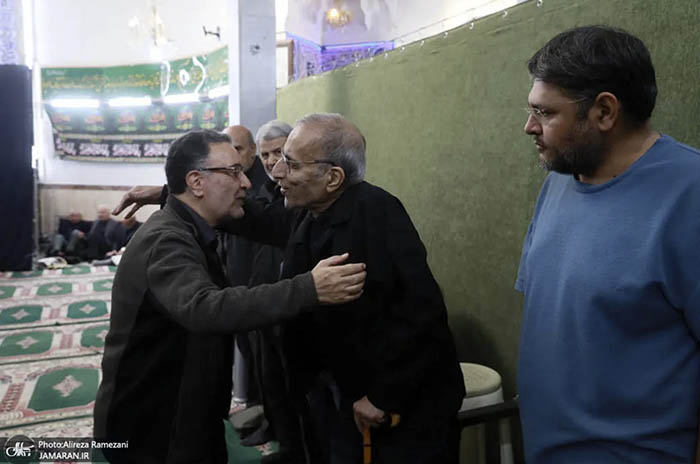
The Funeral of Seyyed Mustafa Tajzadeh’s Brother: A Reflection of Political Legacy and Mourning
Broader Political Context in Iran
Historical Overview of Iran’s Reform Movement
Iran’s reform movement has a long history rooted in opposition to authoritarianism and desire for democratization. The movement gained momentum during President Mohammad Khatami’s administration (1997-2005), advocating for freedom of expression, rule of law, and social justice.
Key milestones include:
- First Local Elections (2003): Marked a shift towards participatory governance, with reformists gaining significant electoral victories.
- 2009 Presidential Election Protests: Sparked by allegations of election fraud, leading to mass protests and a crackdown on reformists.
- Post-2009 Repression: Many reformist leaders and activists were imprisoned, exiled, or silenced.
Political Repression and Human Rights Violations
Iran’s political landscape remains highly repressive, especially towards reformists, journalists, human rights advocates, and religious minorities. The government’s suppression tactics include censorship, arrests, torture, and restrictions on political activism.
Organizations like Amnesty International and Human Rights Watch regularly report on these abuses, calling for greater accountability and reform.
Key Political Players and Factions
- Conservatives: Support theocratic rule and maintain the status quo.
- Reformists: Advocate for political liberalization, civil rights, and democratic reforms.
- Hardliners: Seek to suppress reformist movements and maintain strict control over political institutions.
- Moderates: Attempt to bridge the gap between reformists and conservatives but often face ideological opposition.
The Role of Civil Society and International Community
Despite repression, civil society in Iran continues to organize protests, advocate for human rights, and push for reform through various channels. International organizations and foreign governments often voice concern over Iran’s human rights record, applying sanctions and diplomatic pressure.
November 1, 2025 | 5:26 pmMore stories
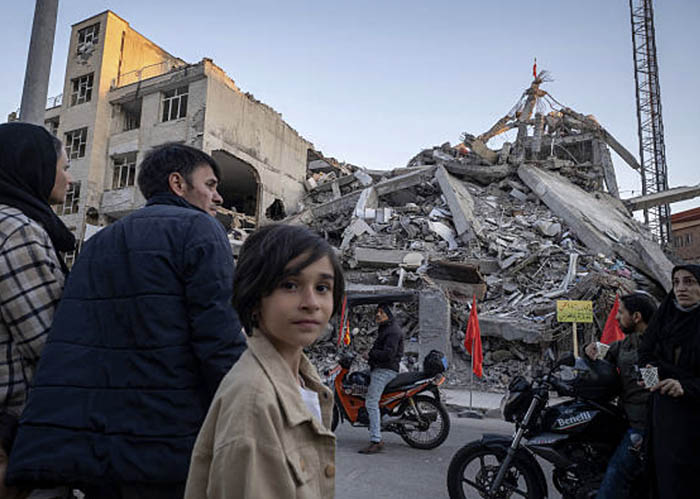
The Islamic Republic’s Instrumental Misuse of War Ruins: Propaganda
Introduction In the aftermath of the March 9 military strikes attributed to joint U.S.-Israeli operations, parts of residential Tehran were … Continue reading ➝
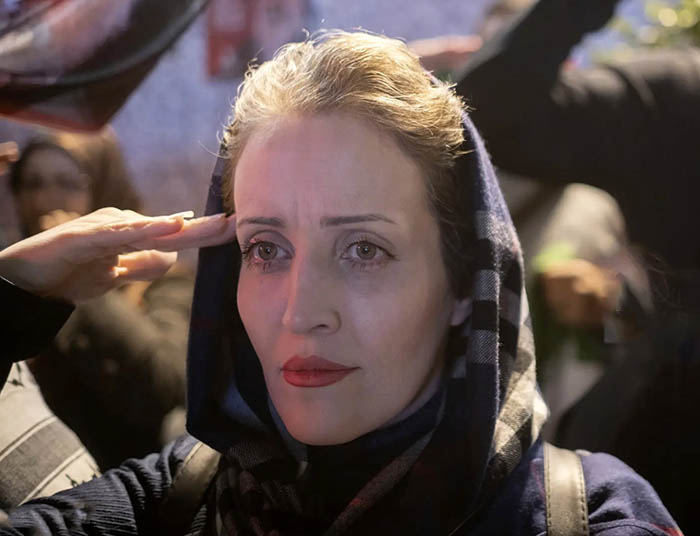
Iran Funeral Ceremony 2026: Rising Tensions After Killing of IRGC Intelligence Chief Majid Khademi
Introduction The funeral ceremony of Majid Khademi, the head of the Islamic Revolutionary Guard Corps (IRGC) Intelligence Organization, has become … Continue reading ➝
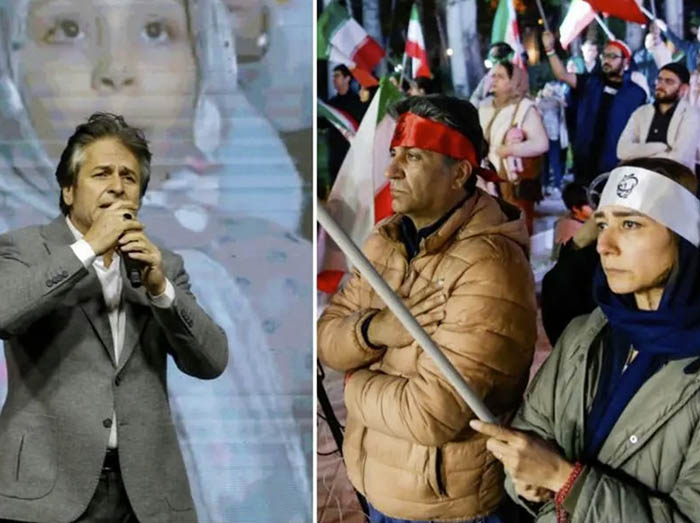
Tajik and Zanko Street Concert in Ferdows Garden: A Powerful Musical Tribute
Introduction On the evening of Tuesday, 18 Farvardin 1405, Ferdows Garden became the heart of an unforgettable cultural moment in … Continue reading ➝
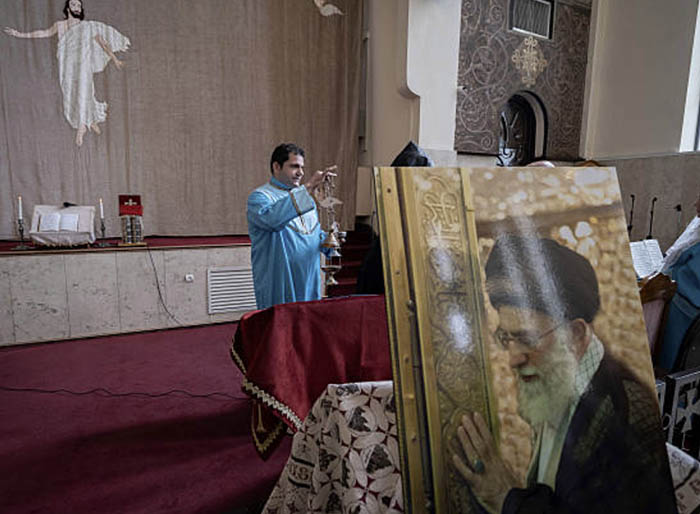
Prayer Ceremony for Late Supreme Leader Ali Khamenei, The bloodthirsty dictator Amid Ceasefire Tensions
Introduction The death of Ali Khamenei on April 8, 2026, has sent shockwaves across Iran and the wider Middle East, … Continue reading ➝
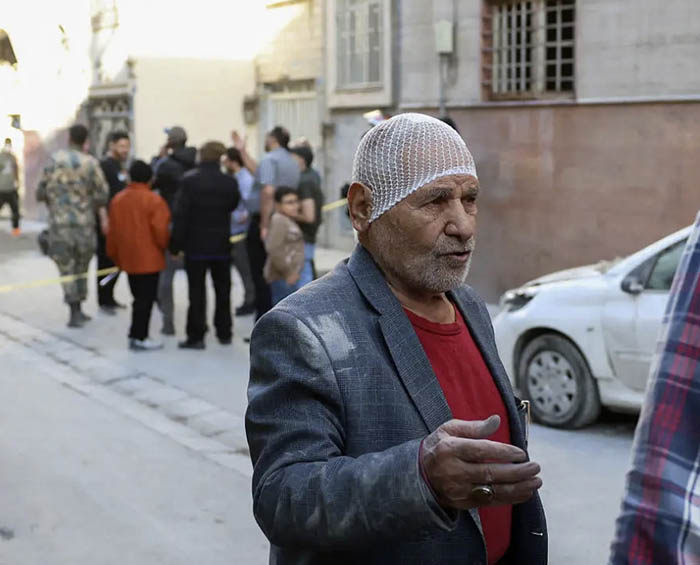
Israeli-American Strikes in Tehran 2026: Synagogue Destroyed Amid Escalating War
Introduction The ongoing conflict between Iran, Israel, and the United States has reached a devastating new chapter. On April 7, … Continue reading ➝