The Former U.S. Embassy in Tehran: A Symbol of Iran-U.S. Relations and Its Historical Significance
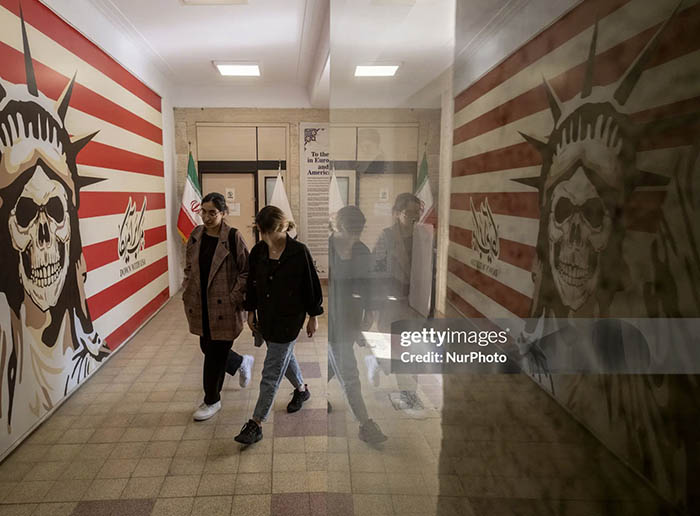
10. The Evolution of Iran-U.S. Diplomatic Relations: From Cold War to Present
Cold War Dynamics and the 1953 Coup
The relationship between Iran and the United States dramatically shifted during the Cold War era. In 1953, the CIA orchestrated Operation Ajax, which overthrew Iran’s democratically elected Prime Minister Mohammad Mosaddegh and reinstated the Shah, Mohammad Reza Pahlavi. This covert operation was driven by fears of nationalization of Iran’s oil resources and concerns over Soviet influence.
The embassy served as a critical hub for intelligence gathering, diplomatic negotiations, and U.S. influence operations, cementing Iran’s strategic importance in the context of Cold War geopolitics.
The 1979 Revolution and the Hostage Crisis
The Iranian Revolution of 1979 marked a turning point in Iran-U.S. relations. The Shah’s oppressive regime was overthrown, leading to the establishment of the Islamic Republic under Ayatollah Khomeini. The storming of the U.S. embassy and the hostage crisis, where 52 American diplomats were held hostage for 444 days, symbolized Iran’s rejection of American interference.
This event led to severe diplomatic rupture, economic sanctions, and the long-standing “estranged” relationship that persists today. The embassy was abandoned, left as a symbol of the failed diplomacy and the deep-seated mistrust.
Post-Revolution Tensions and Fluctuations
Over the subsequent decades, Iran and the U.S. engaged in a series of confrontations, covert operations, and negotiations. The Iran-Iraq War (1980-1988), U.S. support for Iraq, and Iran’s regional influence all contributed to ongoing tensions.
Efforts such as the Iran Nuclear Deal (JCPOA) in 2015 temporarily thawed relations, but the U.S. withdrawal from the agreement in 2018 and ongoing sanctions further complicated diplomacy.
The 2026 Diplomatic Efforts
In 2026, the renewed negotiations in Geneva showcase a potential shift, yet the symbolic acts at the former embassy—such as the upside-down flag—indicate persistent hostility and resistance. These acts serve as powerful political messages that influence negotiations and international perceptions.
February 27, 2026 | 2:57 amMore stories
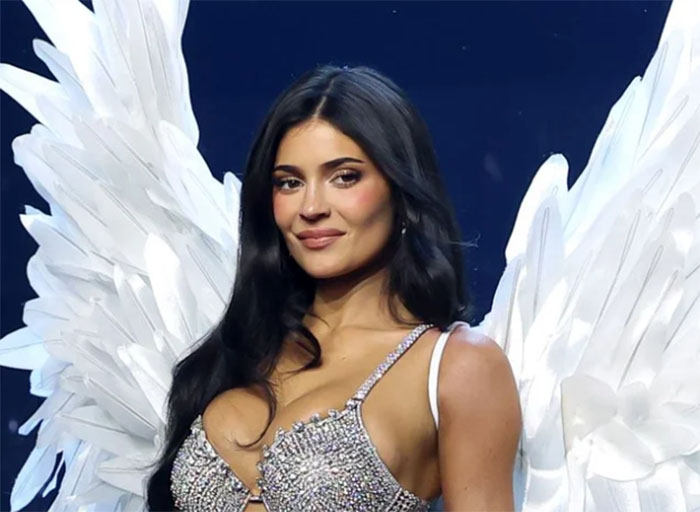
Kylie Jenner Makes Victoria’s Secret Fashion Show Debut in $50 Million Fantasy Bra
Introduction Babak Takhti is an Iranian writer, publisher and the only son of Gholamreza Takhti, the legendary Iranian freestyle wrestler … Continue reading ➝
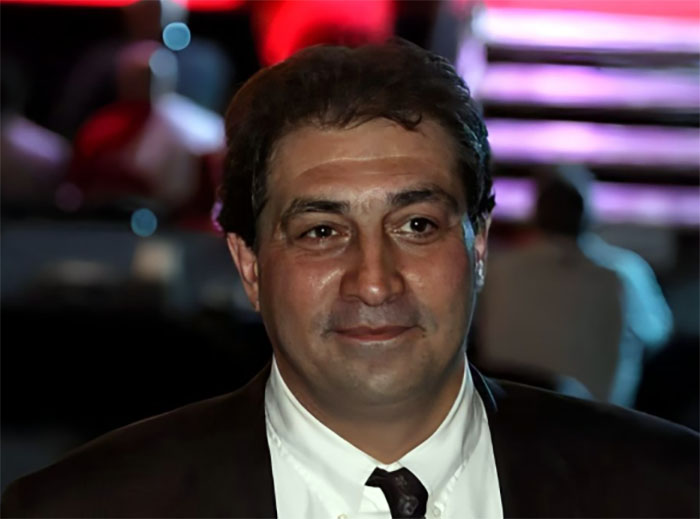
Who Is Babak Takhti? Gholamreza Takhti’s Only Son, His Family, Career, and His Father’s Controversial Death
Introduction Babak Takhti is an Iranian writer, publisher and the only son of Gholamreza Takhti, the legendary Iranian freestyle wrestler … Continue reading ➝
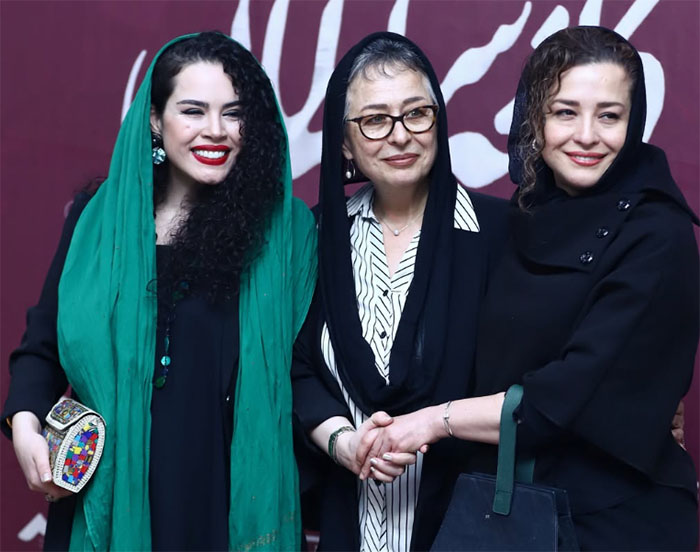
Azita Hajian, Mehraveh Sharifinia and Melika Sharifinia Attend Cafe Soltan Private Screening at Megamall Cinema
Introduction The private screening of Cafe Soltan, the Iranian feature film directed by Mostafa Razagh-Karimi and produced by Morteza Razagh-Karimi, … Continue reading ➝

Bot (Bet) Movie: Hamid Nematollah’s Drama Holds Private Screening at Galleria Cinema Complex
Introduction The Iranian social drama Bot, also transliterated as Bet and associated with the English title Idol, has attracted attention … Continue reading ➝
10 Fascinating Stories About Most Famous Actresses: Behind-the-Scenes Secrets From Iconic Films and TV Shows
Introduction 1. Gohar Kheirandish in Banoo: The Makeup That Could Not Hide Her Beauty Film: Banoo (The Lady) Director: Dariush … Continue reading ➝