The Fall of the Rial: Tehran’s Street Currency Market Reveals the Depth of Iran’s Economic Crisis
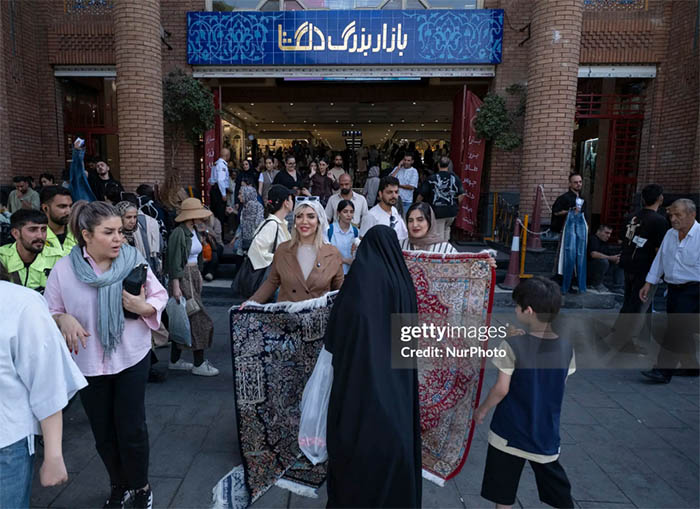
Tehran’s Streets Tell a Different Story From Official Statements
Iranian authorities have repeatedly emphasized that the country has foreign-currency resources and economic tools available to manage external pressure.
Iran’s central-bank governor said on September 1 that the country had sufficient foreign currency reserves despite U.S. sanctions.
Such statements are important because they demonstrate the government’s position regarding liquidity and financial resilience.
But the street market provides a different measurement.
The open-market exchange rate reflects what buyers and sellers are actually willing to pay for foreign currency outside official channels.
The divergence between official claims and street-market sentiment can therefore become politically significant.
If authorities say the country has adequate foreign-currency reserves while the open-market rial continues to weaken, ordinary people may focus more heavily on the market price than on official assurances.
This creates a credibility problem.
Currency stability depends not only on reserves but also on confidence.
A central bank can possess foreign currency while still facing intense pressure if people expect the domestic currency to continue losing value.
September 2, 2026 | 5:51 pm