The Fall of the Rial: Tehran’s Street Currency Market Reveals the Depth of Iran’s Economic Crisis
The Iranian rial is once again at the center of Iran’s economic crisis, and nowhere is the pressure more visible than on the streets of Tehran.
In the traditional commercial districts of the Iranian capital, currency exchange shops have become more than places where people convert money. They have become daily indicators of economic anxiety. The numbers displayed outside exchange offices can change the way families plan their purchases, how businesses calculate their costs, how importers price their products and how ordinary Iranians think about the future.
On September 2, 2026, the U.S. dollar was reported at around 2.209 million Iranian rials on the open market, demonstrating the extraordinary weakness of Iran’s national currency. The dollar had already crossed the 2 million rial level in August, marking another dramatic stage in the long-running Iranian currency crisis.
For people walking through Tehran’s streets, the collapse of the rial is not an abstract financial statistic.
It is visible in the currency exchange signs.
It is visible in the banknotes being counted by money changers.
It is visible in the hesitation of customers deciding whether to buy dollars.
It is visible in the changing prices of imported goods.
And it is visible in the growing importance of the U.S. dollar as a reference point for economic expectations.
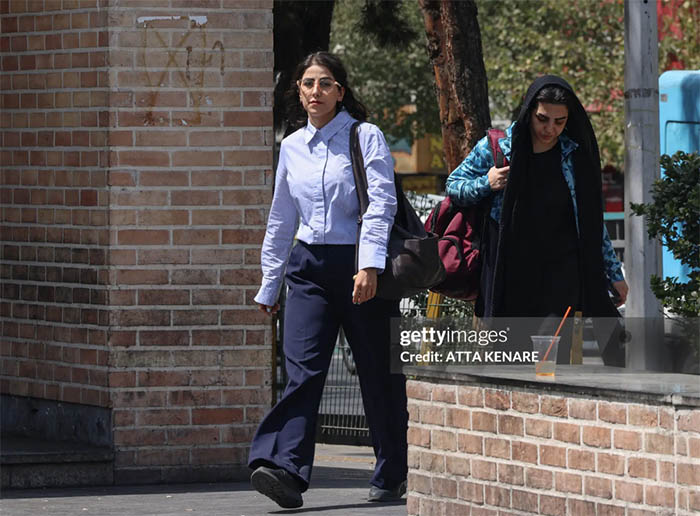
The photographs from Tehran on September 1 and 2 capture this atmosphere at street level. Iranian men and women move through commercial areas while exchange shops display Iranian rial banknotes. People stand outside currency exchange businesses. Others walk through the city as geopolitical tensions between Iran and the United States intensify.
The images provide a powerful portrait of an economy under pressure.
The Iranian rial has been weakening for years, but the latest decline has occurred against a particularly dangerous background: sanctions, inflation, geopolitical uncertainty, restricted access to international financial markets, concerns about oil exports, and renewed military confrontation involving Iran, the United States and Israel.
September 2, 2026 | 5:51 pm