The Fall of the Rial: Tehran’s Street Currency Market Reveals the Depth of Iran’s Economic Crisis
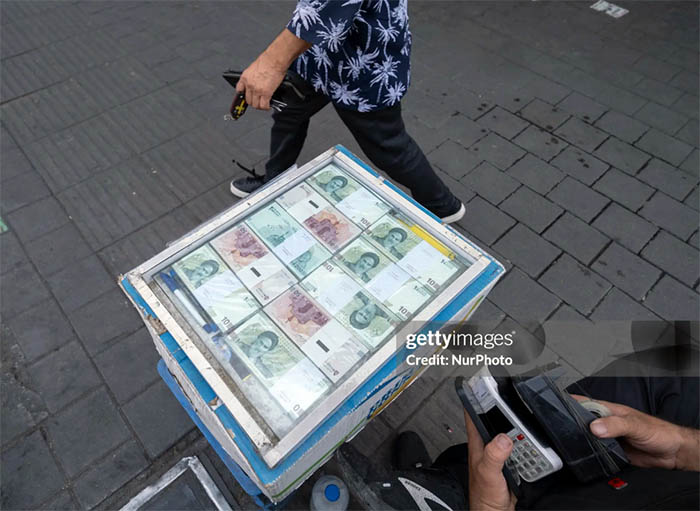
Tehran’s Currency Exchange Shops Become Economic Barometers
The street currency market in Tehran provides one of the clearest windows into how ordinary Iranians perceive the value of their money.
Iran operates with multiple exchange-rate systems, meaning that the rate used by ordinary people in the open market can differ significantly from official or government-controlled rates.
This distinction is critical.
For international observers, the phrase “Iranian rial exchange rate” can sound like a straightforward financial statistic. Inside Iran, however, the exchange rate can represent several different realities depending on which market is being considered.
The official rate, government-controlled mechanisms and open-market rate can coexist.
For businesses and households that need access to foreign currency outside official channels, the street or free-market rate can be particularly important.
That is why the storefronts of Tehran’s money changers matter.
A currency exchange shop is not merely selling dollars.
It is displaying the market’s collective assessment of the rial.
When the dollar rises sharply against the Iranian currency, it signals that people are willing to pay more rials to obtain a unit of foreign currency.
The phenomenon reflects supply and demand, but it also reflects expectations.
If people believe the rial will lose additional value tomorrow, they have a stronger incentive to exchange rials for dollars, euros, gold or other stores of value today.
September 2, 2026 | 5:51 pm