The Controversial Life and Legal Saga of Shabnam Nematzadeh: Political Heiress and Businesswoman in Spotlight
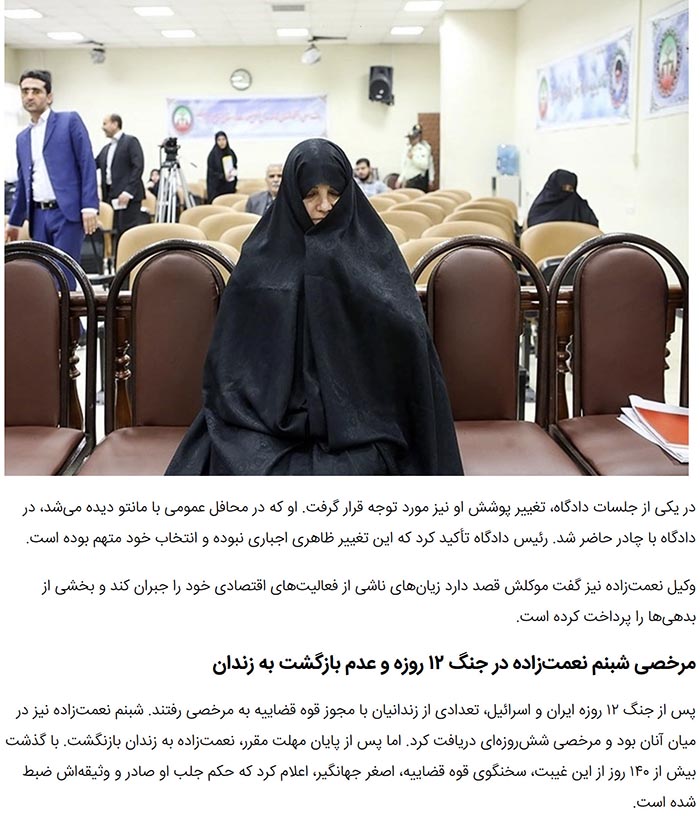
In-Depth Analysis of Shabnam Nematzadeh’s Legal Defense and Court Proceedings
Courtroom Strategies and Defense Arguments
During her trial, Shabnam Nematzadeh and her legal team adopted several strategies aimed at mitigating her culpability and shaping public perception. Her defense largely portrayed her as a victim of mismanagement, market pressures, and systemic corruption rather than a direct perpetrator of illegal activities.
She claimed that her economic activities were conducted legally, emphasizing her independence from government influence. Her lawyers argued that her business operations were transparent, and that her family’s wealth was accumulated through legitimate means. Additionally, she tried to distance herself from the illegal drugs warehouse by asserting that the stock was outdated and intended for destruction.
Court Rulings and Sentencing
Despite her defense efforts, the court convicted her of multiple charges, including drug hoarding, creating a monopoly, and disrupting Iran’s pharmaceutical market. The sentence was severe: 20 years in prison, 74 lashes, and a lifetime ban from holding government positions.
This verdict was significant as it marked a rare instance of a member of Iran’s political elite being held accountable by the judiciary. It also sent a message to other officials about the consequences of illegal business practices, especially in critical sectors like healthcare and pharmaceuticals.
The Role of Media and Public Opinion
The media coverage of her trial was extensive, with state and independent outlets dissecting every detail. Public opinion was sharply divided: some viewed her as a victim of a corrupt system that favors elites, while others saw her as a emblem of illicit privilege and greed.
Her case sparked widespread debates on social media and in civil society about the need for judicial reforms, transparency, and the eradication of corruption among Iran’s ruling classes.
November 12, 2025 | 7:26 pmMore stories

Coffee Under Fire: The Resilience of Café Culture in Tehran During Wartime
Introduction Tehran has always been a city of paradoxes—restless yet restrained, modern yet steeped in history. In times of war, … Continue reading ➝
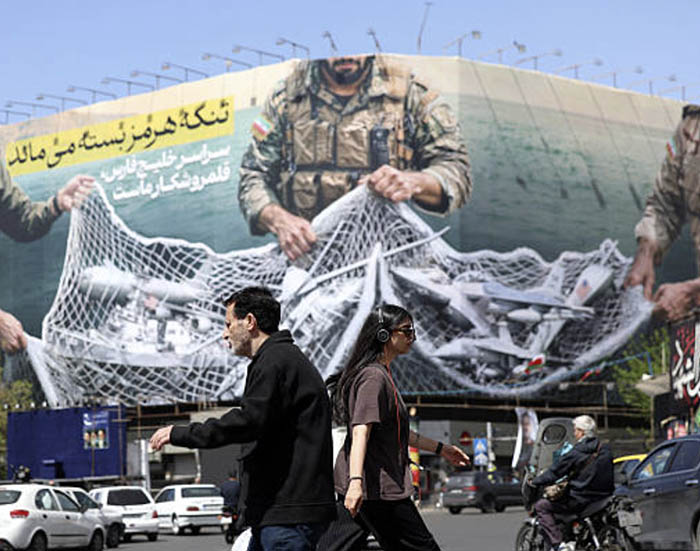
Strait of Hormuz Crisis 2026: Propaganda Posters in Enghelab Square
Introduction In the heart of Tehran, specifically at Enghelab Square, a massive propaganda banner has emerged as one of the … Continue reading ➝
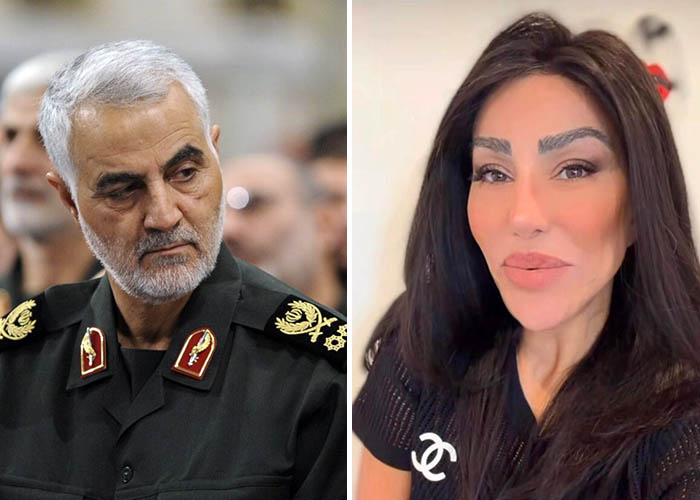
US State Department Arrests Relative of Qassem Soleimani: Immigration Crackdown, National Security Concerns
Introduction The recent announcement by the United States Department of State regarding the arrest and revocation of permanent residency for … Continue reading ➝
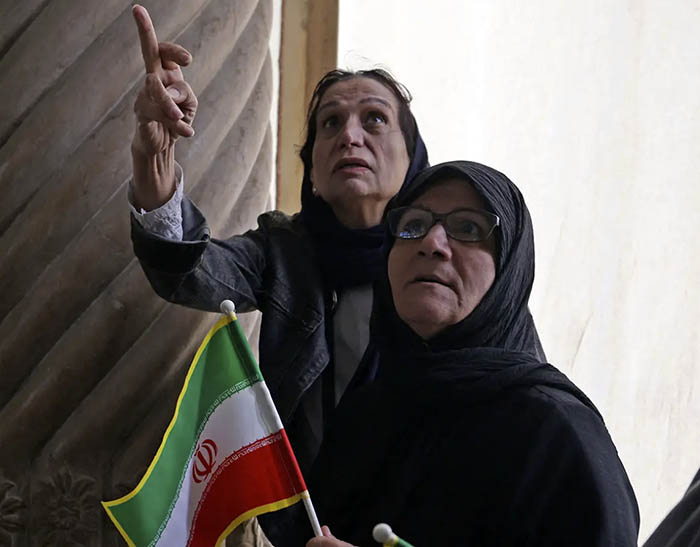
Damage to Golestan Palace Amid Iran–Israel–US Conflict: Cultural Heritage at Risk
Introduction The unfolding Iran–Israel–US conflict in 2026 has not only intensified geopolitical tensions in the Middle East but has also … Continue reading ➝
U.S.-Israeli Military Operations: Full Analysis of the 2026 Middle East Conflict
Introduction The escalating conflict involving United States, Israel, and Iran has rapidly evolved into one of the most dangerous geopolitical … Continue reading ➝