The Complete History of the Lion and Sun Symbol: From Ancient to Modern Flags
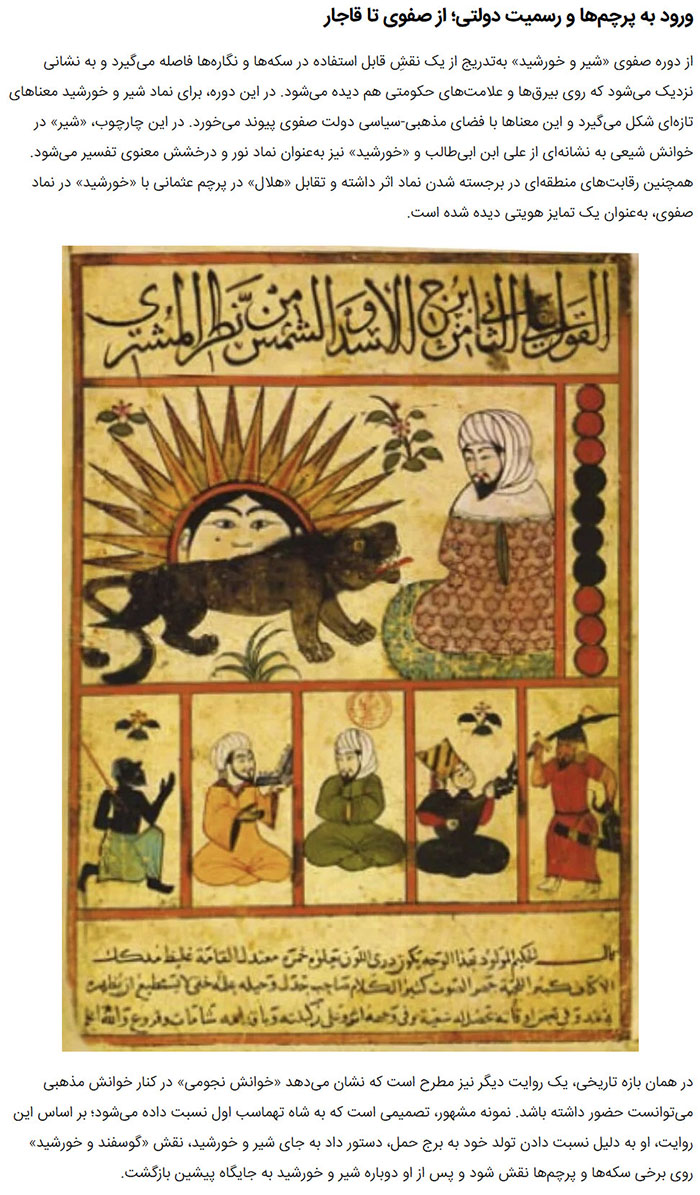
3.1 The Use of Lion and Sun on Coins and Art
Following the fall of the Achaemenids and subsequent Islamic conquests, the lion and sun motif persisted, especially on coins and decorative arts. In the 13th century, during the Seljuk Empire, the motif appeared on coins, indicating its continued significance.
Coins of Sultan Kaykhusro II feature lion and sun imagery, showing the motif’s adaptation into Islamic political culture. The motif spread beyond Iran to regions such as Central Asia and India, influencing artistic traditions.
3.2 Artistic and Political Transformation
During the Ilkhanid and Timurid periods, the lion and sun motif was stylized further, incorporating more elaborate iconography. In this era, the motif often symbolized royal power, protection, and divine favor.
In the Islamic context, the lion was associated with Ali ibn Abi Talib, the revered figure in Shia Islam, symbolizing bravery, justice, and divine protection. The sun represented divine enlightenment and the spiritual radiance of the Imams.
3.3 Regional Rivalries and Symbolic Significance
The contrast between the Ottoman crescent and the Persian sun became a regional emblem of identity and sovereignty. While the Ottomans adopted the crescent moon as their symbol, Persia maintained the sun and lion motif as a sign of imperial sovereignty and religious legitimacy.
February 10, 2026 | 5:17 pm