The Complete History of the Lion and Sun Symbol: From Ancient to Modern Flags
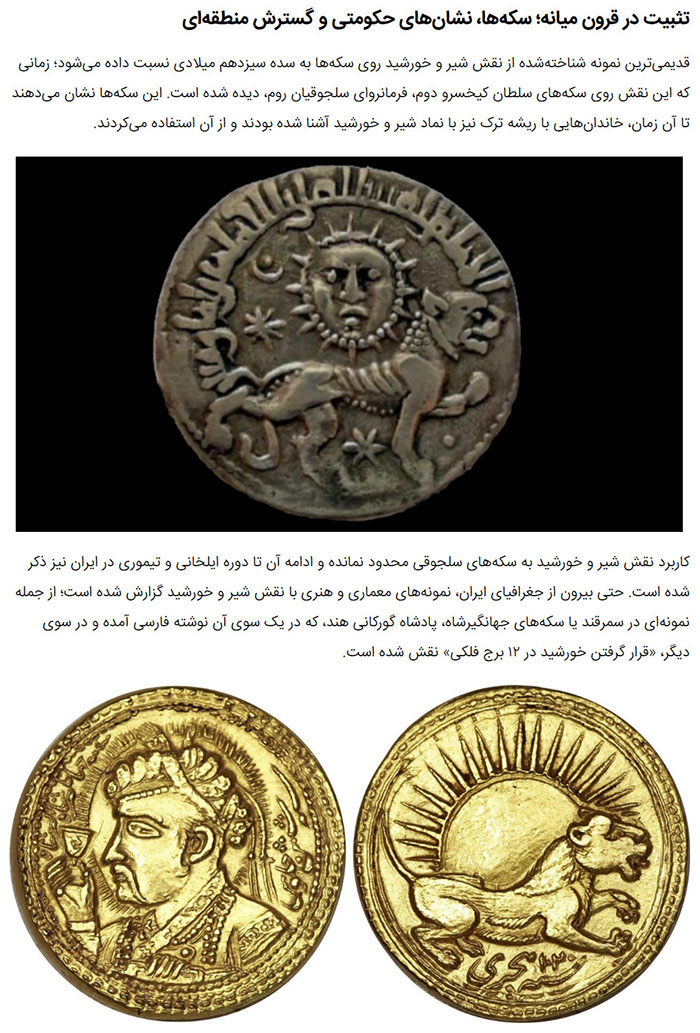
2.1 Artistic and Iconographic Evidence
The Achaemenid Empire (550–330 BCE) is the first major Persian dynasty to incorporate lion and sun symbolism visibly into its art and iconography. Reliefs from Persepolis depict lions in regal poses, often shown alongside solar disks with radiating rays.
One of the most significant features is the “21 rays” of the sun, which appear in Achaemenid art and serve as a symbolic link to calendar cycles and festivals, notably Mehregan, a harvest festival celebrated in autumn.
2.2 The Significance of the 21 Rays
The number 21 holds cosmological and ritual importance in ancient Persia. It is believed to symbolize the solar cycle and the Persian calendar, which was closely linked to astronomical observations.
The sun in Leo, or the period when the sun is in the Leo zodiac sign, also holds astrological significance, emphasizing the connection between celestial timing and earthly sovereignty.
2.3 Symbolic and Ritual Significance
The sun’s rays, especially the 21 rays, were not accidental but deliberate, representing divine authority, cosmic harmony, and royal legitimacy. The combination of lion and sun in this era underscored the idea that the king’s rule was divinely sanctioned and aligned with celestial order.
February 10, 2026 | 5:17 pm