The Behesht Zahra Funeral and the War’s Deepening Crisis: Context, Reactions, and Regional Implications
Historical Context: Iran’s Role in the Region
Iran has long positioned itself as a central power in the Middle East, with influence spanning Iraq, Syria, Lebanon, and Yemen. Its strategic doctrine emphasizes deterrence, asymmetric warfare, and the projection of regional influence through proxy groups. Over the past decades, U.S. and Israeli military and political strategies have repeatedly targeted Iran’s nuclear and military capabilities, generating cycles of tension and intermittent conflict.
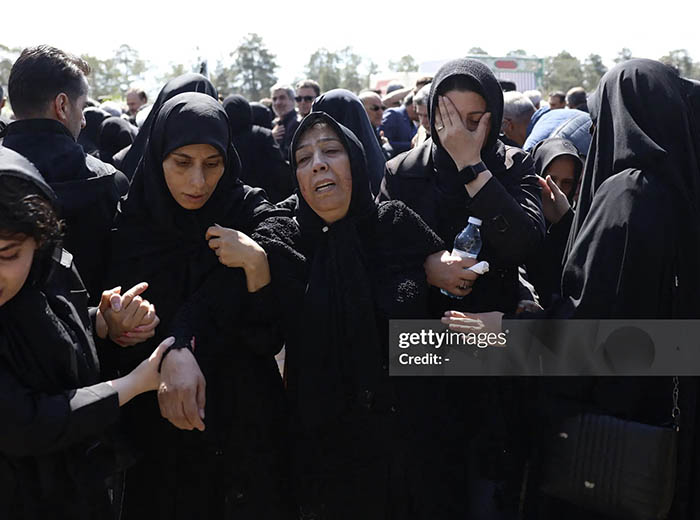
The events of March 2026, culminating in public mourning at Behesht Zahra cemetery, represent a dramatic escalation in this historical pattern. While Iran portrays its engagement as defensive, the United States and Israel frame their actions as preemptive strikes against perceived existential threats. These conflicting narratives underscore the geopolitical fault lines shaping the current war.
Strategic Implications for the Middle East
The conflict has far-reaching implications for regional security:
- Gulf Stability: Nations like Saudi Arabia, the UAE, and Qatar face heightened security concerns, with military mobilizations along borders and coastal regions. Shipping through the Strait of Hormuz remains under threat, affecting global oil markets.
- Proxy Warfare Intensification: Iran-backed militias in Iraq, Lebanon, and Yemen have launched retaliatory attacks, threatening to expand the battlefield across multiple countries.
- Israeli Defense Posture: Israel has increased air defense readiness and contingency planning for Iranian missile strikes, reinforcing alliances with the U.S. and leveraging intelligence operations across the region.
- Global Military Engagement: The U.S. has deployed additional naval and air assets, signaling its commitment to preventing Iranian escalation while attempting to maintain regional alliances.
These strategic maneuvers illustrate the complexity of the conflict, where local, regional, and global interests converge, creating the potential for a prolonged confrontation.
March 26, 2026 | 2:36 pmMore stories
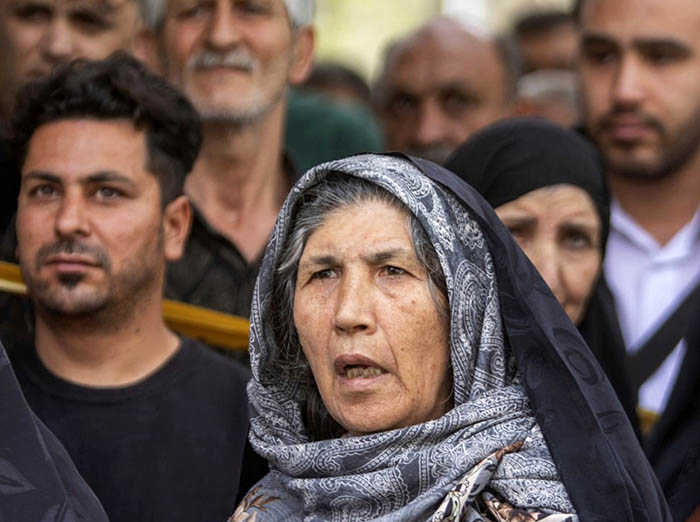
Residents in Shock After Missile Strikes Devastate Homes in Ray Amid Escalating War
Introduction Residents of Ray, a historic city just south of Tehran, woke to scenes of devastation and disbelief after midnight … Continue reading ➝
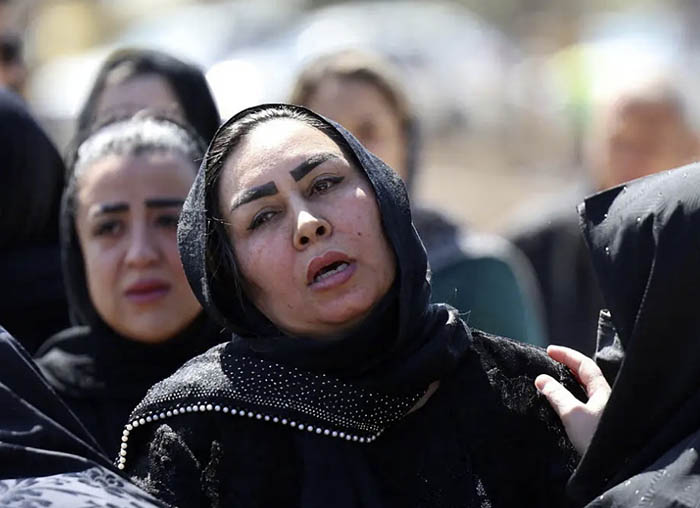
The Behesht Zahra Funeral and the War’s Deepening Crisis: Context, Reactions, and Regional Implications
Introduction On March 26, 2026, funerals for victims of the ongoing Middle East conflict took place at the Behesht Zahra cemetery in … Continue reading ➝
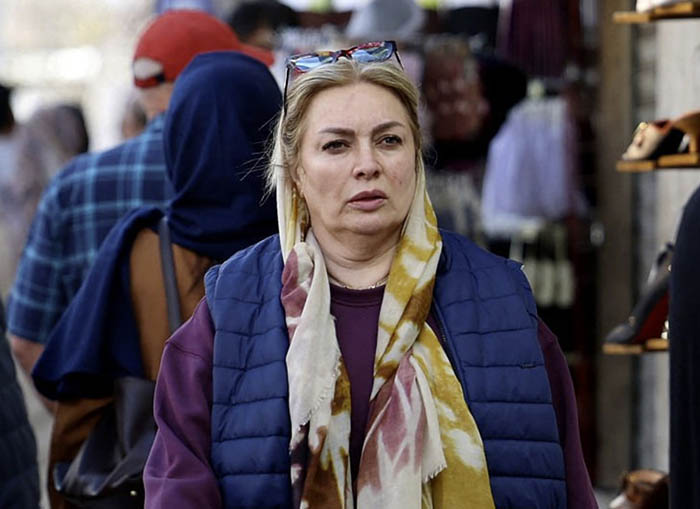
Tajrish Bazaar Struggles: Slow Economic Growth Amid Iran–Israel War
Introduction The bustling lanes of Tajrish Bazaar, one of the most iconic marketplaces in Tehran, are no longer what they … Continue reading ➝
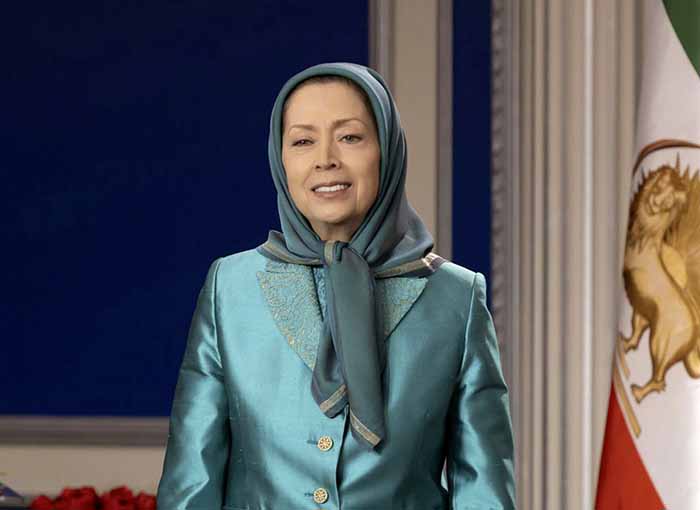
Maryam Rajavi: Unpopularity, Political Controversies, NCRI Leadership, and Life in Albania’s MEK Camp
Introduction Maryam Rajavi remains one of the most debated figures in modern Iranian politics. As the President-elect of the National … Continue reading ➝
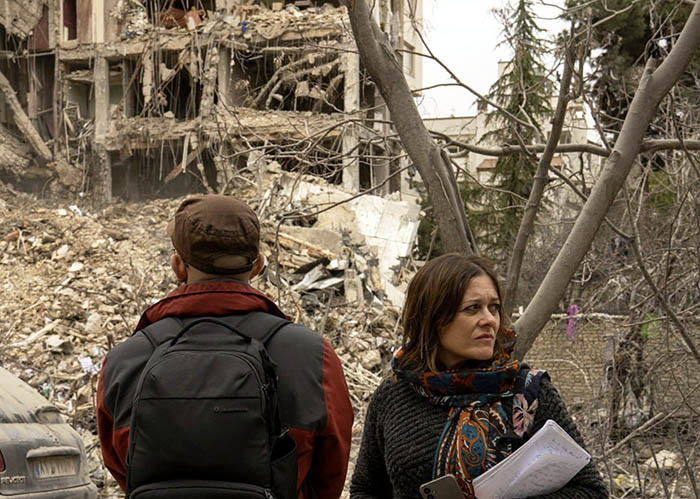
The Devastating Impact of U.S. and Israeli Airstrikes on Tehran’s Enderzgu District
Introduction The Enderzgu district of Tehran, Iran’s bustling capital, has recently become the epicenter of a devastating military attack that … Continue reading ➝