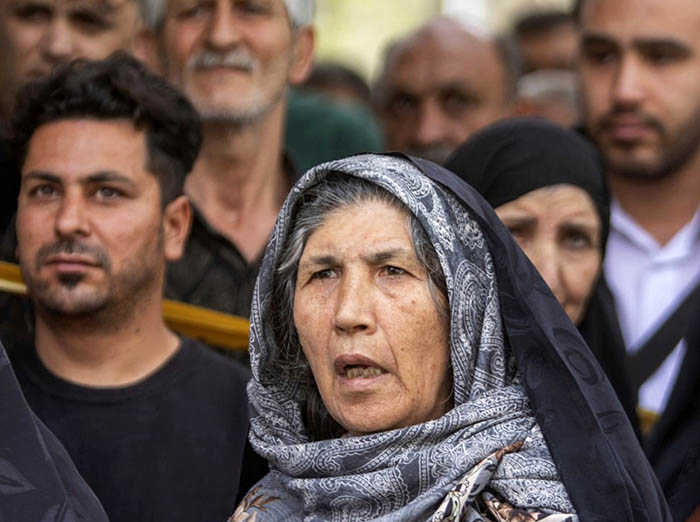
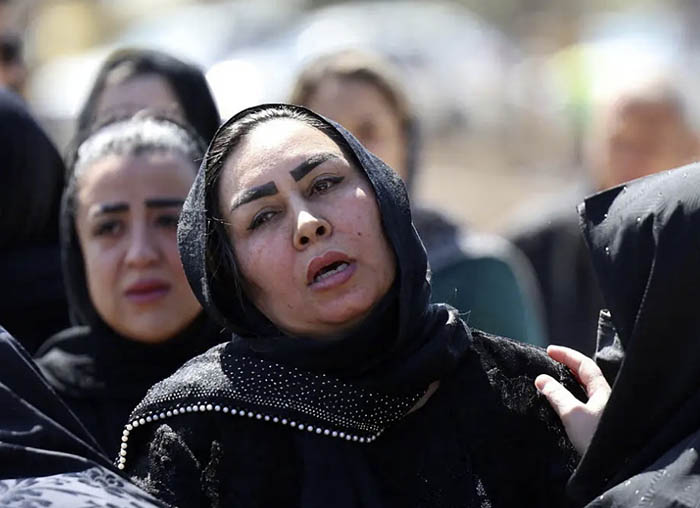
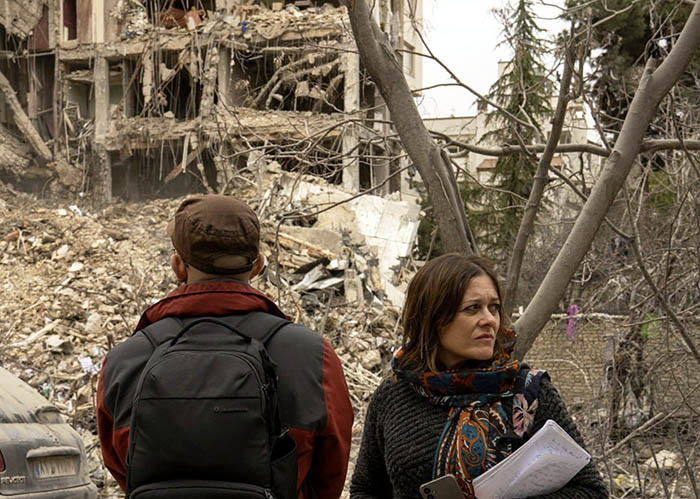
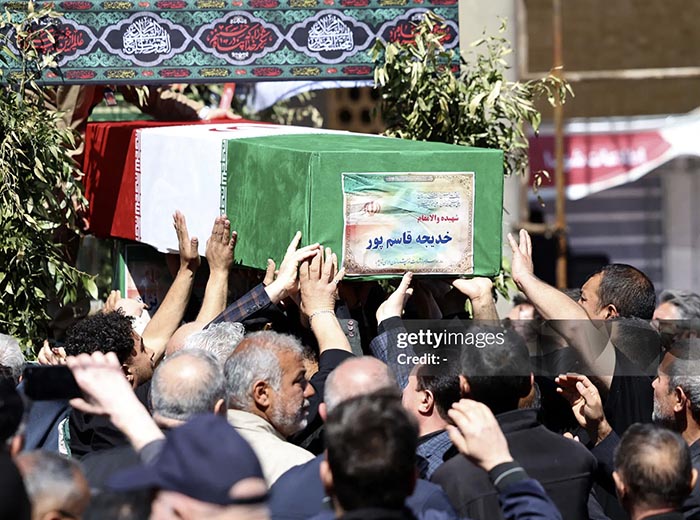
The Behesht Zahra Funeral and the War’s Deepening Crisis: Context, Reactions, and Regional Implications
Economic and Global Impact
The conflict has disrupted global energy markets, particularly following the closure or threats to the Strait of Hormuz, through which a significant portion of the world’s crude oil passes. Crude oil prices have surged, and supply chain worries have rippled through global commodity markets. Major economies are watching closely, as sustained disruptions add inflationary pressure to already strained energy systems.
Diplomatic Maneuvers: Peace Talks, Rejections, and Third‑Party Mediation
Despite hostilities on the battlefield, diplomatic activity persists. The United States, under President Donald Trump, has publicly pushed for negotiations, urging Iran to engage serious peace talks “before it is too late.” Reports indicate that indirect talks — mediated by countries such as Pakistan, Egypt, and Turkey — are underway, though Tehran continues to deny formal negotiations, even as it reviews ceasefire proposals.
Iran has responded to U.S. proposals with its own set of conditions, which include strategic demands such as guarantees over navigation rights in the Strait of Hormuz and compensation for war damages. These contrasting frameworks have, so far, prevented a meaningful ceasefire.
March 26, 2026 | 2:36 pm