Tensions at the Border: A Humanitarian Reflection Amid Geopolitical Unrest
The Impact on Regional Stability
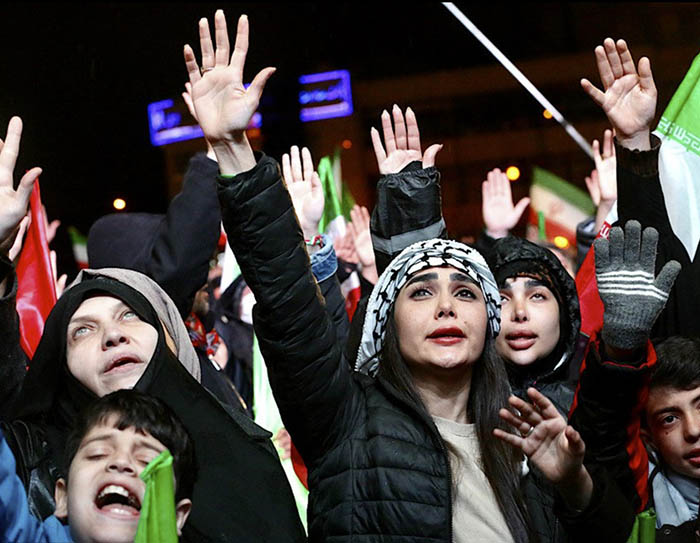
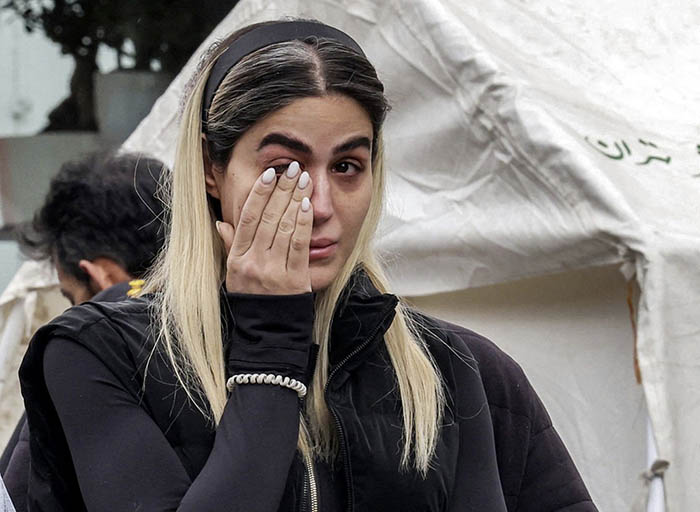
The border region had long been a mosaic of ethnic communities, each with their own histories, identities, and aspirations. Tensions between neighboring states had periodically flared, but recent threats of military action had intensified existing anxieties. Governments and local authorities scrambled to prepare for potential fallout—possible displacement, economic disruptions, and humanitarian crises.
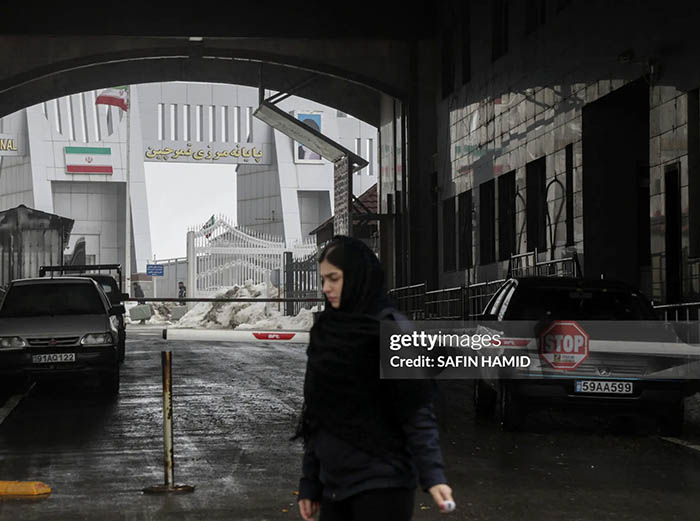
The border crossing at Haji Omran, which was normally open for travelers and trade, had seen an increase in military patrols and checkpoints. The atmosphere was tense yet disciplined, as security forces tried to maintain order amidst the swelling crowds. Many residents feared that any miscalculation or escalation could plunge the region into chaos.
Historical Context and Resilience
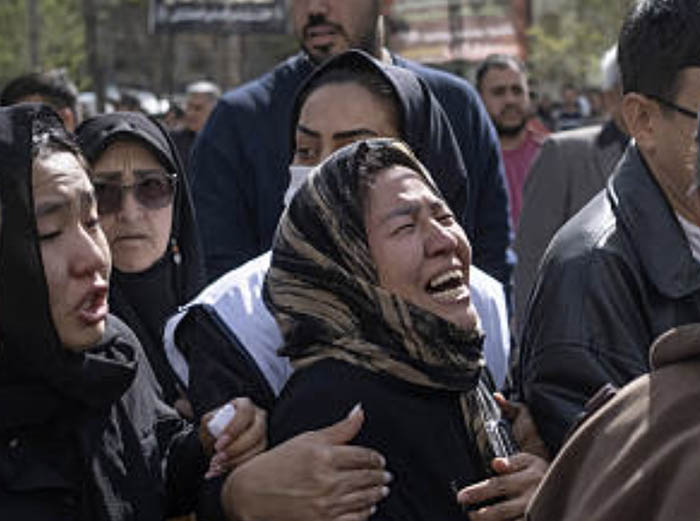
This moment was not isolated in history. The borderlands had witnessed cycles of conflict, displacement, and resilience. Communities had endured hardships before, rebuilding their lives amid upheaval. The collective memory of past struggles lent a sense of perseverance, even as fear lingered.
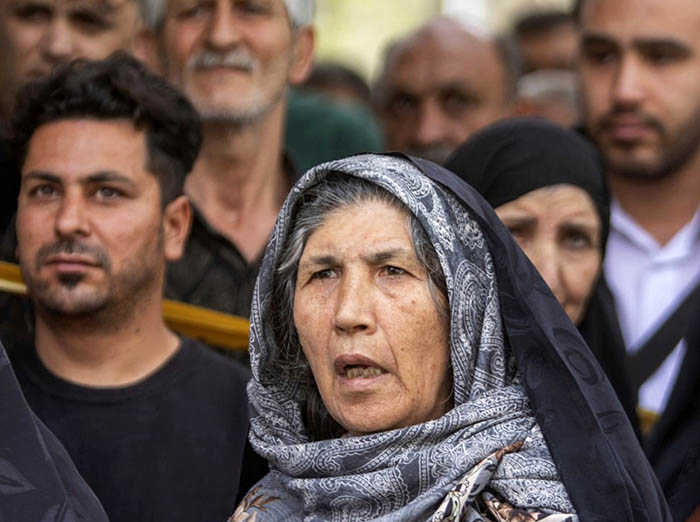
Local leaders and community elders called for calm and dialogue, urging their people to stay united and cautious. They emphasized the importance of avoiding panic and relying on trusted information sources. Their messages aimed to prevent chaos and promote resilience in the face of uncertainty.
February 2, 2026 | 5:24 pm