Tehran’s Gold Bazaar Amidst Inflation Crisis: Citizens Turn to Gold as Currency Collapses

Deep Dive into the Impact on Daily Life and Societal Structures
13.1 The Erosion of Savings and Wealth Preservation
In Iran, the rapid devaluation of the rial has rendered savings in local currency almost worthless. According to recent reports, over 70% of Iranian households have seen their savings eroded by inflation exceeding 50% annually. This phenomenon compels families to seek alternative stores of value, predominantly gold and foreign currencies.
Case Study: A Tehran family, once saving in rial, liquidated jewelry and gold coins to cover medical expenses when their savings depreciated by over 80%. Such actions exemplify the loss of confidence in the national monetary system and reflect a broader trend of wealth migration into tangible assets.
13.2 Barter and Informal Economies: Survival Strategies
With formal banking systems strained and currency devalued, many Iranians resort to barter trade and informal exchanges. Markets for goods like food, fuel, and household items often operate outside official channels, creating parallel economies.
Examples include:
- Barter exchanges involving agricultural produce for manufactured goods
- Use of gold and cryptocurrencies as medium of exchange
- Small-scale local markets bypassing official restrictions
These informal economies sustain basic livelihoods but undermine formal economic stability and regulatory oversight.
13.3 Impact on Education, Healthcare, and Social Services
Economic hardship extends into critical social sectors:
- Hospitals face shortages of medicines and equipment due to import restrictions and lack of foreign currency.
- Educational institutions struggle with funding, leading to closures and reduced access.
- Social safety nets are strained, with increased poverty and malnutrition.
The compounded effects threaten long-term societal resilience and human capital development.
September 26, 2025 | 4:07 pmMore stories

Kylie Jenner Makes Victoria’s Secret Fashion Show Debut in $50 Million Fantasy Bra
Introduction Babak Takhti is an Iranian writer, publisher and the only son of Gholamreza Takhti, the legendary Iranian freestyle wrestler … Continue reading ➝
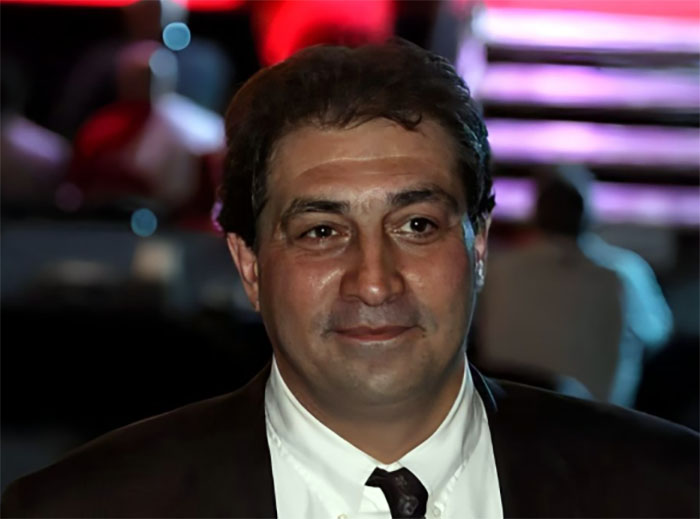
Who Is Babak Takhti? Gholamreza Takhti’s Only Son, His Family, Career, and His Father’s Controversial Death
Introduction Babak Takhti is an Iranian writer, publisher and the only son of Gholamreza Takhti, the legendary Iranian freestyle wrestler … Continue reading ➝
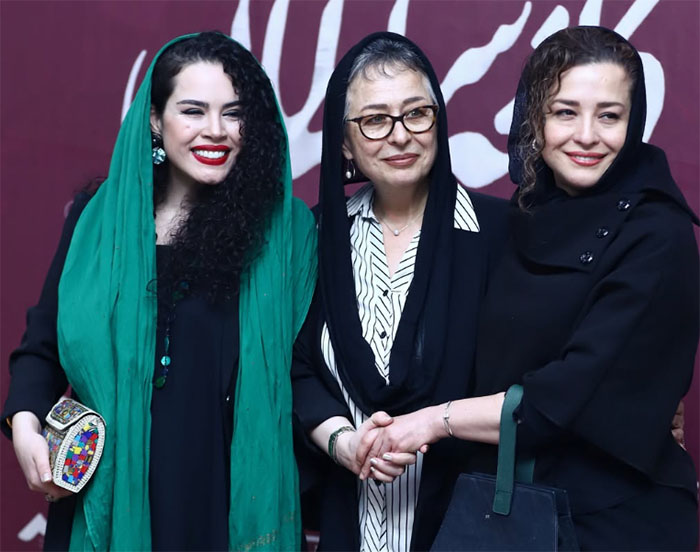
Azita Hajian, Mehraveh Sharifinia and Melika Sharifinia Attend Cafe Soltan Private Screening at Megamall Cinema
Introduction The private screening of Cafe Soltan, the Iranian feature film directed by Mostafa Razagh-Karimi and produced by Morteza Razagh-Karimi, … Continue reading ➝

Bot (Bet) Movie: Hamid Nematollah’s Drama Holds Private Screening at Galleria Cinema Complex
Introduction The Iranian social drama Bot, also transliterated as Bet and associated with the English title Idol, has attracted attention … Continue reading ➝
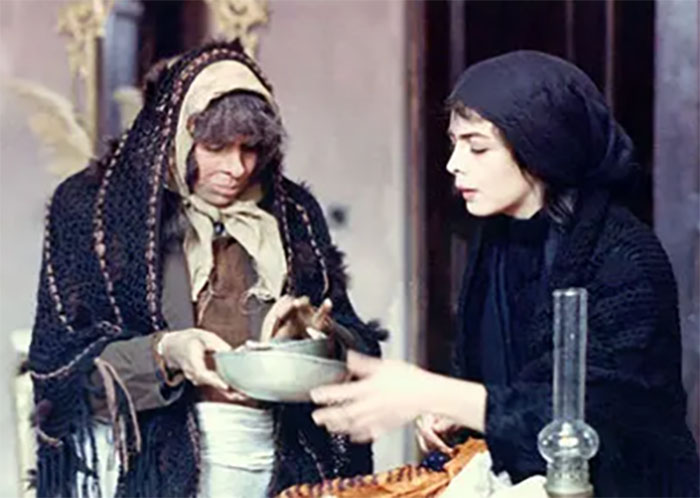
10 Fascinating Stories About Most Famous Actresses: Behind-the-Scenes Secrets From Iconic Films and TV Shows
Introduction 1. Gohar Kheirandish in Banoo: The Makeup That Could Not Hide Her Beauty Film: Banoo (The Lady) Director: Dariush … Continue reading ➝