Tehran’s Gold Bazaar Amidst Inflation Crisis: Citizens Turn to Gold as Currency Collapses
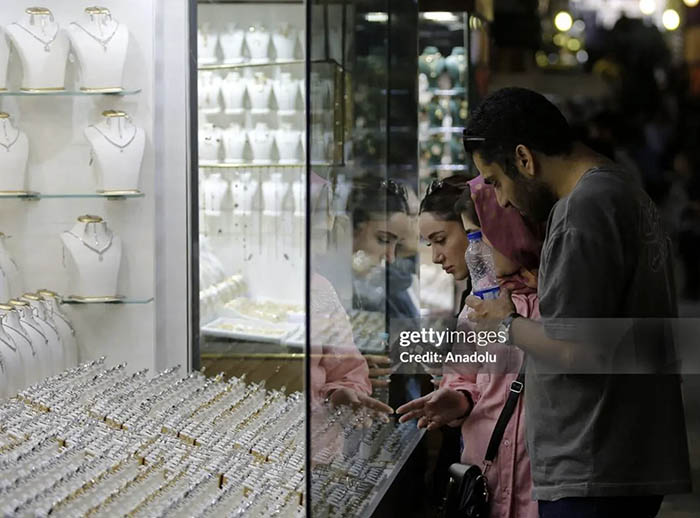
The Iranian Rial Collapse and Economic Consequences
3.1 Historical Background of Iran’s Economy
Iran’s economy has long been affected by sanctions, oil dependency, and political turbulence. Since the re-imposition of sanctions in 2018, Iran has faced a shrinking economy, rising inflation, and currency instability.
3.2 The Rial’s Decline in 2025
On September 25, 2025, the Iranian rial reached a historic low, with the official exchange rate at 42,000 tomans per dollar, while black market rates exceeded 108,500 tomans per dollar. This devaluation has caused:
- A surge in the prices of imported goods
- Loss of savings for ordinary citizens
- Increased cost of living
3.3 Impact on Daily Life and Social Stability
The rapid depreciation of the rial has led to:
- Hyperinflation of basic goods such as food, medicine, and fuel
- Long queues and black market activity
- Widespread protests and social unrest
- Economic hardship for middle- and lower-income families