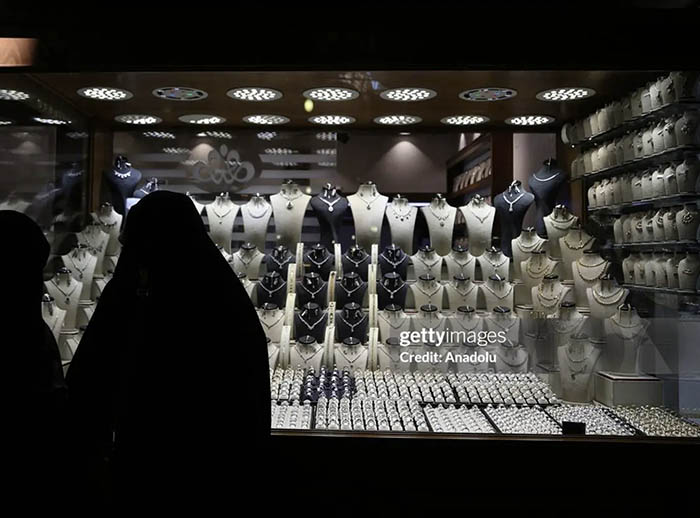
Tehran’s Gold Bazaar Amidst Inflation Crisis: Citizens Turn to Gold as Currency Collapses
The Global Context of Inflation and Geopolitical Tensions
1.1 The Post-Pandemic Economic Landscape
The COVID-19 pandemic created a global economic shock, leading governments worldwide to adopt expansive monetary and fiscal policies. Stimulus packages, low-interest rates, and quantitative easing flooded markets with liquidity. While these measures prevented immediate economic collapse, they also sowed the seeds for inflationary pressures.
1.2 Geopolitical Conflicts and Sanctions
Recent years have seen a rise in geopolitical tensions, including trade wars, military conflicts, and diplomatic standoffs. Notably, the escalation of conflicts in the Middle East, tensions in the South China Sea, and the Russia-Ukraine war have disrupted supply chains, energy markets, and international trade.
Sanctions imposed on countries like Iran, Russia, and North Korea have further isolated economies, constricted currency flows, and increased inflation. These sanctions often target vital sectors such as energy, finance, and technology, exacerbating economic hardship.
1.3 The Impact on Currency Stability and Commodity Prices
The combined effect of these geopolitical tensions and pandemic policies has led to:
- Sharp depreciation of fiat currencies
- Volatility in currency markets
- Surge in commodity prices, especially energy and food
The US dollar, often regarded as the world’s reserve currency, has experienced fluctuations but generally remained strong, further impacting emerging economies.
September 26, 2025 | 4:07 pm